


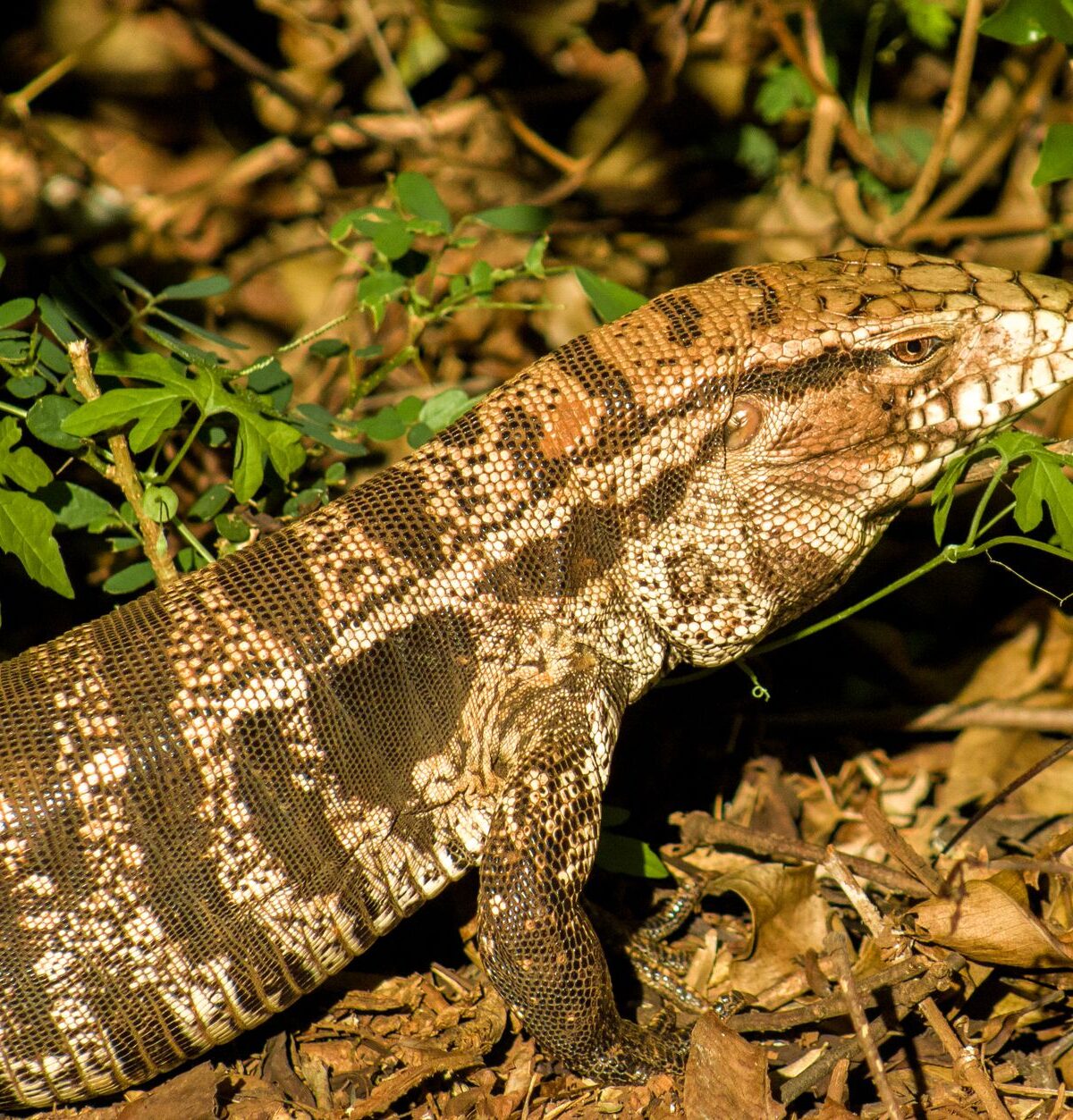
ARGENTINE RED TEGU
Salvator rufescens
DESCRIPTION
Argentine Red Tegu (Salvator rufescens) is commonly known as the Red Tegu and Argentine Tegu. This large lizard is characterized by its robust body, long tail, and distinctive coloration, which typically includes a mix of black and red or orange hues. They are known for their intelligence and curiosity, often displaying complex behaviors and social interactions, particularly during the breeding season.
FUN FACTS
- Argentine Red Tegus are known for their impressive intelligence, often being able to recognize their keepers and even perform simple tasks
- They are also one of the few lizard species that exhibit parental care, with mothers guarding their nests until the eggs hatch.|These lizards are capable of changing their color slightly based on their environment and temperature, which helps them regulate their body heat and blend into their surroundings
QUICK INFO
Lifespan10-15 years in the wild, up to 20 years in captivi
Average Weight4-10 kg
Average Length1-1.5 m
Diet TypeOmnivore
Social Structuresolitary, with occasional pairings during breeding
Activity PatternDiurnal
Breeding SeasonSpring (September-November)
- Habitat
- They inhabit a range of environments, including forests, grasslands, and scrublands. Argentine Red Tegus are often found near water sources, which they use for thermoregulation and hunting.
- Biomes
- Tropical Rainforest, Savanna, Grassland
- Native Range
- They are native to the central and northern regions of Argentina, as well as parts of Paraguay and Brazil.
- Continent
- South America
- Countries
- Argentina, Paraguay, Brazil
- Diet
- Argentine Red Tegus are omnivorous, feeding on a variety of foods including fruits, insects, small mammals, and eggs. Their diverse diet allows them to thrive in various environments.
- Diet Type
- Omnivore
- Favorite Food
- fruits, insects, small mammals
- Social Structure
- solitary, with occasional pairings during breeding
- Activity Pattern
- Diurnal
- Group Size
- 1-2
- Territorial
- 0
 VU
VU
 LC
LC
 LC
LC
4-10 kg
Weight
1-1.5 m
Length
- Coloration
- Typically black with red or orange markings, especially on the head and limbs.
- Sexual Dimorphism
- Males are generally larger and more colorful than females.
- Lifespan
- 10-15 years in the wild, up to 20 years in captivi
- Offspring per Birth
- 10-30
- Sexual Maturity
- 2-3 years
- Breeding Season
- Spring (September-November)
LC
Least Concern
IUCN Red List Status
- Population Status
- The population is currently stable, but habitat loss poses a potential threat.
- Wild Population Estimate
- Unknown
- Population Trend
- Stable
- Endangered
- 0
- Threats
- Main threats include habitat destruction due to agriculture and urbanization. Additionally, they are sometimes hunted for the pet trade.
- Predators
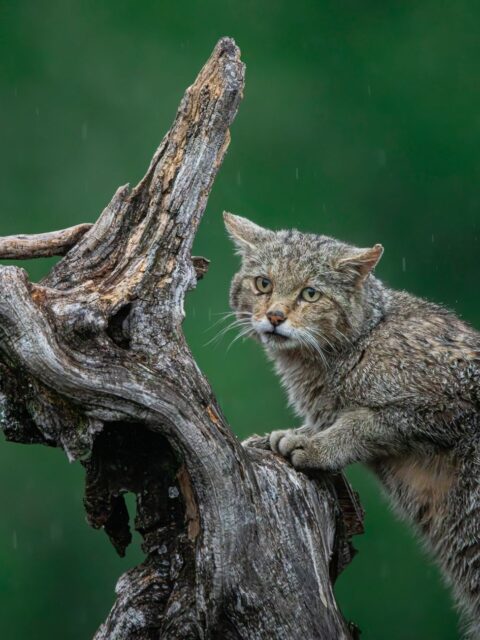
- Birds of prey, large snakes, and carnivorous mammals such as foxes and wildcats.
- Defense Mechanisms
- They can exhibit aggressive behavior when threatened, including hissing and biting. They also have strong limbs for digging and can burrow to escape predators.
- Found in Zoos
- Common