


ARIZONA POCKET MOUSE
Chaetodipus arizonae
DESCRIPTION
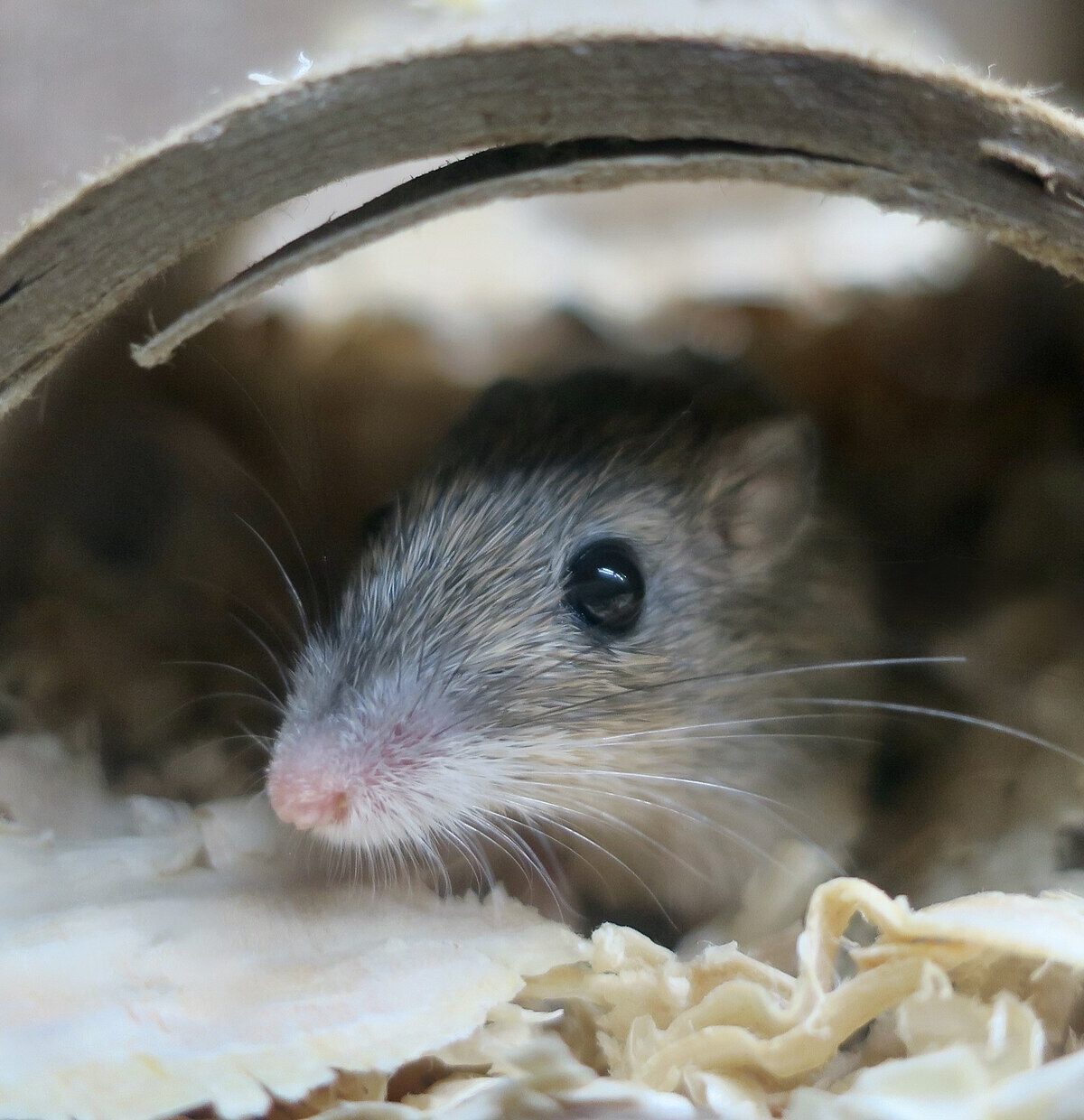
Arizona Pocket Mouse (Chaetodipus arizonae) is a small rodent characterized by its large ears and long tail, which are adaptations for thermoregulation in its arid habitat. This species exhibits a sandy or light brown coloration that provides effective camouflage against the desert floor. Primarily nocturnal, it is known for its burrowing behavior, creating extensive tunnel systems to escape the heat and avoid predators.
FUN FACTS
- Arizona Pocket Mice are known for their impressive ability to store food, which allows them to survive in harsh desert conditions
- They can hoard seeds in their burrows, sometimes accumulating large caches that can last them through dry periods.| These mice have a unique adaptation in their ears, which help dissipate heat, allowing them to remain active during the cooler nighttime hours while avoiding the extreme daytime temperatures of their desert habitat
QUICK INFO
Lifespan2-4 years in the wild
Average Weight15-30 g
Average Length8-10 cm
Diet TypeHerbivore
Social Structuresolitary, with individuals typically living alone except during mating season
Activity PatternNocturnal
Breeding SeasonSpring to early summer
- Habitat
- This species inhabits arid and semi-arid regions, particularly in sandy or loose soils that facilitate burrowing. They are often found in desert scrub and grassland ecosystems.
- Biomes
- Desert, Grassland
- Native Range
- The native range of the Arizona Pocket Mouse includes parts of the southwestern United States, particularly Arizona and New Mexico.
- Continent
- North America
- Countries
- United States, Mexico
- Diet
- Arizona Pocket Mice primarily feed on seeds, grains, and some plant material, foraging at night to avoid daytime heat. They have been observed to store food in their burrows for later consumption.
- Diet Type
- Herbivore
- Favorite Food
- seeds and grains
- Social Structure
- solitary, with individuals typically living alone except during mating season
- Activity Pattern
- Nocturnal
- Group Size
- 1
- Territorial
- 1
 LC
LC
 CR
CR
 VU
VU
15-30 g
Weight
8-10 cm
Length
- Coloration
- sandy or light brown with a lighter underbelly
- Lifespan
- 2-4 years in the wild
- Gestation Period
- 30 days
- Offspring per Birth
- 2-5
- Sexual Maturity
- 2-3 months
- Breeding Season
- Spring to early summer
LC
Least Concern
IUCN Red List Status
- Population Status
- The population status of Arizona Pocket Mouse is currently stable, though habitat loss poses potential risks.
- Wild Population Estimate
- unknown
- Population Trend
- Stable
- Endangered
- 0
- Threats
- Main threats include habitat destruction due to urban development and agriculture. Additionally, competition with invasive species may impact their populations.
- Predators
- snakes, hawks, and other birds of prey
- Defense Mechanisms
- They use their burrowing skills to escape threats and can quickly retreat into their tunnels when threatened.
- Found in Zoos
- Rare