


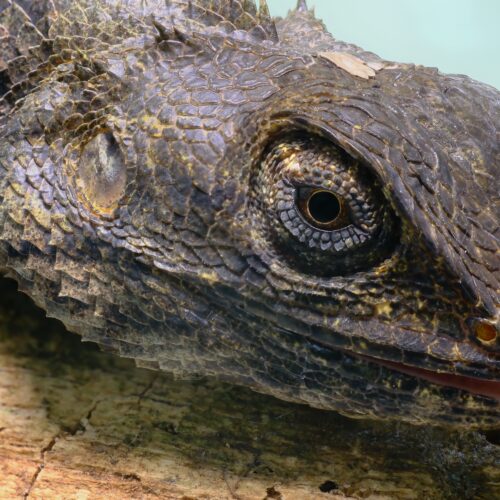
ARMADILLO
DESCRIPTION
Armadillos are small to medium-sized mammals known for their distinctive armor-like shell made of bony plates. They are primarily nocturnal and are found in a variety of habitats across the Americas.
FUN FACTS
- Armadillos can hold their breath for up to six minutes while swimming | They are the only mammals that can contract leprosy | Some species can give birth to identical quadruplets
QUICK INFO
Lifespan4-7 years in the wild, up to 12 years in captivity
Average Weight5-30 kg
Average Length0.75-1.5 m
Diet TypeInsectivore
Social Structuresolitary, typically live alone except during mating
Activity PatternNocturnal
Breeding SeasonSpring (March-May)
- Habitat
- Armadillos inhabit a range of environments, including grasslands, forests, and scrublands. They prefer areas with loose soil for digging.
- Biomes
- Grassland, Forest, Scrubland
- Native Range
- Armadillos are native to the Americas, particularly in the southern United States, Central America, and South America.
- Continent
- North America, South America
- Countries
- United States, Mexico, Brazil, Argentina, Paraguay
- Diet
- Armadillos primarily feed on insects, grubs, and other small invertebrates. They use their keen sense of smell to locate food underground.
- Diet Type
- Insectivore
- Favorite Food
- ants, termites, larvae
- Social Structure
- solitary, typically live alone except during mating
- Activity Pattern
- Nocturnal
- Group Size
- 1
- Territorial
- 0

 VU
VU
5-30 kg
Weight
0.75-1.5 m
Length
- Coloration
- grayish-brown with a leathery shell
- Lifespan
- 4-7 years in the wild, up to 12 years in captivity
- Gestation Period
- 60-75 days
- Offspring per Birth
- 1-4
- Sexual Maturity
- 1 year
- Breeding Season
- Spring (March-May)
LC
Least Concern
IUCN Red List Status
- Population Status
- Armadillo populations are generally stable, but some species face threats from habitat loss.
- Wild Population Estimate
- unknown
- Population Trend
- Stable
- Endangered
- 0
- Threats
- Main threats include habitat destruction and road mortality. Some species are also hunted for their meat and shells.
- Predators
- coyotes, foxes, large birds of prey
- Defense Mechanisms
- Armadillos can curl into a ball to protect themselves, and their tough shell provides some defense against predators.
- Found in Zoos
- Common