


ARROW FROG
DESCRIPTION
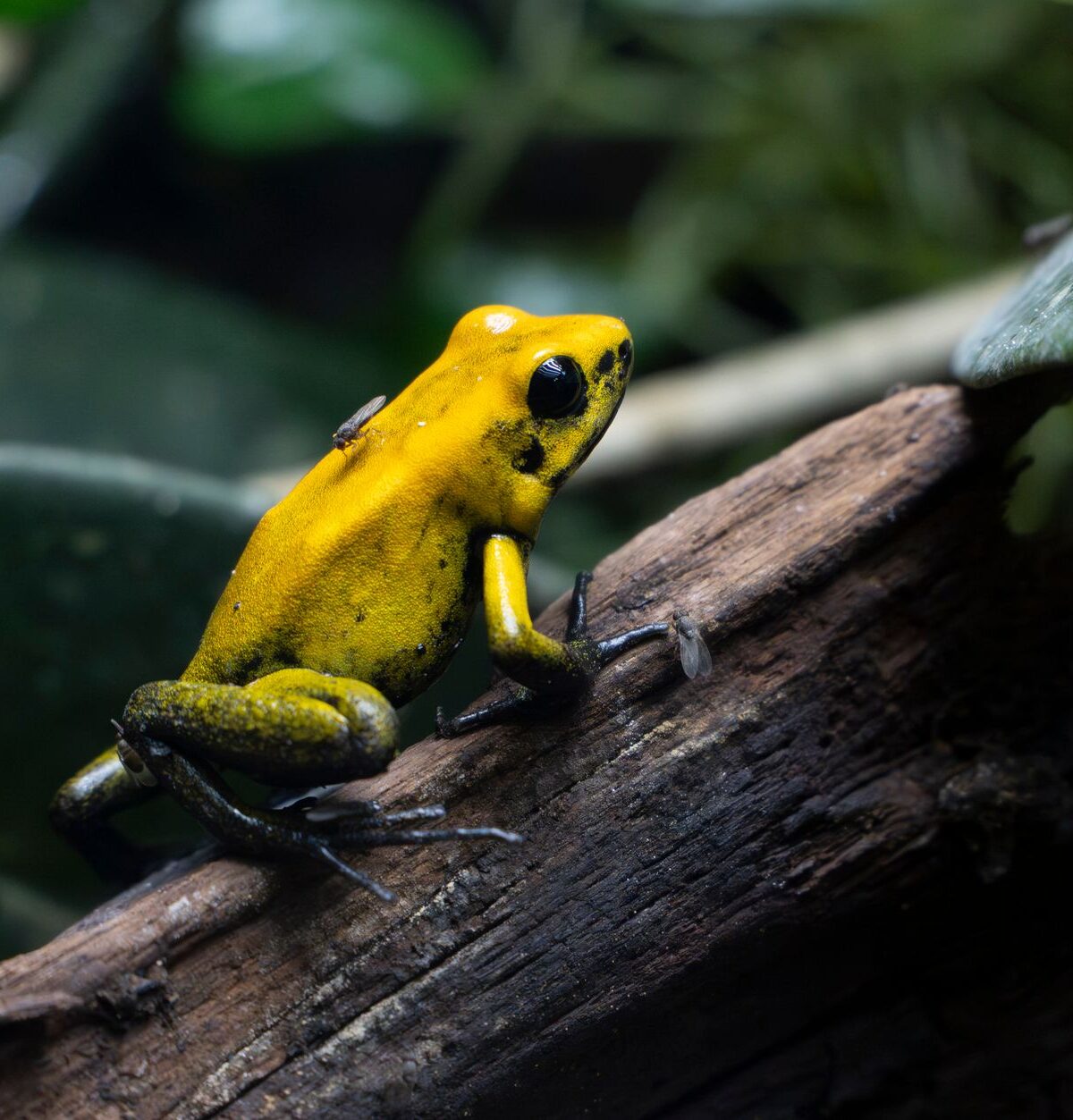
Also called Poison Arrow Frog, Arrow Frog is a small, brightly colored amphibian known for its striking appearance and potent skin toxins. These frogs exhibit a variety of colors, including vibrant blues, yellows, and greens, which serve as a warning to potential predators about their toxicity. They are primarily found in tropical rainforests, where they thrive in humid environments and are often seen near water sources, as they require moist conditions for breeding and development.
FUN FACTS
- Arrow Frogs are famous for their use by indigenous people in South America, who have historically used their skin toxins to poison the tips of blow darts for hunting
- This practice has given rise to the name 'Poison Dart Frog.' | The vibrant colors of Arrow Frogs are not just for show; they serve as a warning to predators about their toxicity
- Interestingly, frogs raised in captivity without access to their natural diet do not develop the same level of toxicity, highlighting the importance of their natural food sources
QUICK INFO
Lifespan4-10 years in the wild, up to 15 years in captivit
Average Weight2-5 grams
Average Length2-5 cm
Diet TypeInsectivore
Social Structuresolitary, with males often defending small territories during the breeding season
Activity PatternDiurnal
Breeding SeasonWet season (varies by region)
- Habitat
- Arrow Frogs inhabit tropical rainforests, often near streams and ponds where they can find ample moisture. They prefer dense vegetation that provides cover and breeding sites.
- Biomes
- Tropical Rainforest
- Native Range
- Arrow Frogs are native to Central and South America, particularly in regions such as the Amazon Basin.
- Continent
- South America, Central America
- Countries
- Colombia, Ecuador, Brazil, Panama, Costa Rica
- Diet
- Arrow Frogs primarily feed on small invertebrates, such as ants, termites, and small beetles. Their diet is crucial for their survival, as the toxins they produce are derived from the alkaloids found in their prey.
- Diet Type
- Insectivore
- Favorite Food
- ants, termites
- Social Structure
- solitary, with males often defending small territories during the breeding season
- Activity Pattern
- Diurnal
- Group Size
- 1-5
- Territorial
- 1
 VU
VU
 LC
LC
2-5 grams
Weight
2-5 cm
Length
- Coloration
- vibrant colors, often with patterns of spots or stripes
- Sexual Dimorphism
- males are typically smaller and more brightly colored than females
- Lifespan
- 4-10 years in the wild, up to 15 years in captivit
- Offspring per Birth
- 2-10
- Sexual Maturity
- 1-2 years
- Breeding Season
- Wet season (varies by region)
EN
Endangered
IUCN Red List Status
- Population Status
- Some species of Arrow Frogs are experiencing population declines due to habitat loss and climate change.
- Wild Population Estimate
- Unknown
- Population Trend
- Decreasing
- Endangered
- 1
- Threats
- Main threats include habitat destruction due to deforestation, pollution, and climate change. Additionally, the pet trade poses a risk to certain species.
- Predators
- Birds, snakes, and some mammals are known to prey on Arrow Frogs. Their bright coloration serves as a warning to potential predators about their toxicity.
- Defense Mechanisms
- Arrow Frogs possess potent skin toxins that deter predators, making them unpalatable.
- Found in Zoos
- Uncommon