



ASIAN SMALL-CLAWED OTTER
Aonyx cinereus
DESCRIPTION
Also called the Asian Otter and Small-Clawed Otter, the Asian Small-Clawed Otter is the smallest otter species, characterized by its short limbs and small claws that are not fully webbed. They have a sleek, streamlined body covered in dense, water-repellent fur that is typically brown with lighter underparts. These otters are highly social animals, often found in groups, and are known for their playful behavior, which includes sliding down mud or snowbanks and engaging in games with each other.
FUN FACTS
- Asian Small-Clawed Otters are known for their remarkable dexterity, using their sensitive paws to manipulate objects and open shells
- They are also one of the few otter species that can climb trees, which they do to escape predators or to find food.| These otters have a unique social structure, often forming family groups that work together to hunt and care for their young
- Their playful nature makes them a favorite among zoo visitors, as they engage in various activities that showcase their intelligence and social bonds
QUICK INFO
Lifespan10-12 years in the wild, up to 15 years in captivi
Average Weight2-5 kg
Average Length0.9-1.2 m
Diet TypeCarnivore
Social Structuregroup — they are highly social and often live in family groups or larger social units.
Activity PatternDiurnal
Breeding SeasonYear-round, with peaks depending on the region
- Habitat
- They inhabit freshwater rivers, streams, and coastal areas, often preferring habitats with dense vegetation and plenty of cover. These otters are also found in mangroves and wetlands, which provide ample food sources and shelter.
- Biomes
- Freshwater, Coastal
- Native Range
- The Asian Small-Clawed Otter is native to Southeast Asia, including countries like India, Bangladesh, and various Southeast Asian nations.
- Continent
- Asia
- Countries
- India, Bangladesh, Myanmar, Thailand, Vietnam, Malaysia, Indonesia, Philippines
- Diet
- Asian Small-Clawed Otters primarily feed on crustaceans, mollusks, and small fish, but they also consume insects and small mammals. Their dexterous paws allow them to forage effectively in shallow waters and on land.
- Diet Type
- Carnivore
- Favorite Food
- crustaceans, mollusks
- Social Structure
- group — they are highly social and often live in family groups or larger social units.
- Activity Pattern
- Diurnal
- Group Size
- 3-12
- Territorial
- 0
 VU
VU
 VU
VU
2-5 kg
Weight
0.9-1.2 m
Length
- Coloration
- brown fur with lighter underparts
- Sexual Dimorphism
- males are generally larger than females
- Lifespan
- 10-12 years in the wild, up to 15 years in captivi
- Gestation Period
- 60-70 days
- Offspring per Birth
- 1-6
- Sexual Maturity
- 1-2 years
- Breeding Season
- Year-round, with peaks depending on the region
LC
Least Concern
IUCN Red List Status
- Population Status
- The population is currently stable, but habitat loss and pollution pose threats.
- Wild Population Estimate
- unknown
- Population Trend
- Stable
- Endangered
- 0
- Threats
- Main threats include habitat destruction due to urbanization and pollution, as well as hunting for their fur. These factors have led to localized declines in some areas.
- Predators
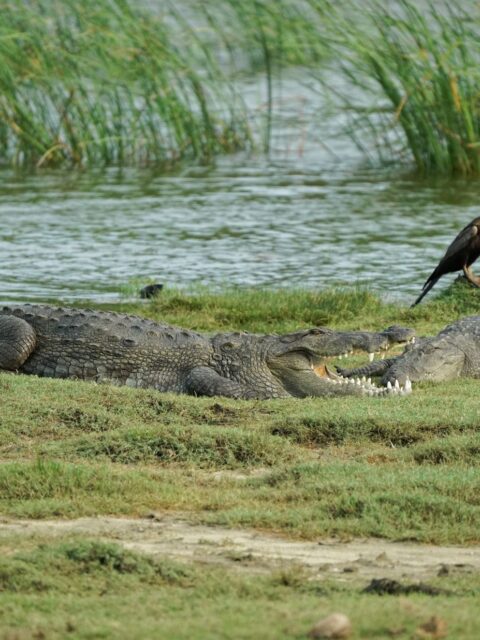
- large birds of prey, crocodiles, and large carnivores such as tigers in some regions.
- Defense Mechanisms
- They use their agility in water and their social structure to evade predators, often retreating to dens or burrows.
- Compatible Animals
- none
- Found in Zoos
- Common