


ASIAN WILD HORSE
Equus ferus przewalskii
DESCRIPTION
The Asian Wild Horse, also known as Przewalski's horse, is a rare and endangered subspecies of wild horse native to the steppes of Central Asia. It is characterized by its stocky build, short legs, and a distinctive erect mane.
FUN FACTS
- Przewalski's horse is the only true wild horse species still in existence | They were once extinct in the wild but have been reintroduced through conservation efforts | They have a unique genetic makeup, distinct from domestic horses
QUICK INFO
Lifespan20-25 years in the wild, up to 30 in captivity
Average Weight250-300 kg
Average Length2.0-2.3 m
Diet TypeHerbivore
Social Structuregroup — they live in small herds consisting of mares and their offspring, with a dominant stallion.
Activity PatternDiurnal
Breeding SeasonSpring (April-June)
- Habitat
- This species inhabits grasslands, steppes, and semi-desert regions. It prefers open areas where it can easily spot predators.
- Biomes
- Grassland, Steppe, Desert
- Native Range
- Historically found across Central Asia, particularly in Mongolia and parts of China.
- Continent
- Asia
- Countries
- Mongolia, China
- Diet
- The Asian Wild Horse is primarily a grazer, feeding on grasses and other vegetation. It may also consume shrubs and herbs when grass is scarce.
- Diet Type
- Herbivore
- Favorite Food
- grasses
- Social Structure
- group — they live in small herds consisting of mares and their offspring, with a dominant stallion.
- Activity Pattern
- Diurnal
- Group Size
- 5-20
- Territorial
- 0
 LC
LC
 VU
VU
250-300 kg
Weight
2.0-2.3 m
Length
1.2 m at shoulder
Height (Shoulder)
- Coloration
- Light brown with a darker dorsal stripe and lighter underbelly.
- Sexual Dimorphism
- Males are generally larger than females.
- Lifespan
- 20-25 years in the wild, up to 30 in captivity
- Gestation Period
- 11 months
- Offspring per Birth
- 1
- Sexual Maturity
- 3-4 years
- Breeding Season
- Spring (April-June)
CR
Critically Endangered
IUCN Red List Status
- Population Status
- The population of Asian Wild Horses is critically low, with ongoing conservation efforts.
- Wild Population Estimate
- 2,000-3,000
- Population Trend
- Increasing
- Endangered
- 1
- Threats
- Main threats include habitat loss, competition with livestock, and poaching. Conservation efforts are ongoing to protect their remaining populations.
- Conservation Program
- Reintroduction programs in Mongolia and protected areas.
- Predators
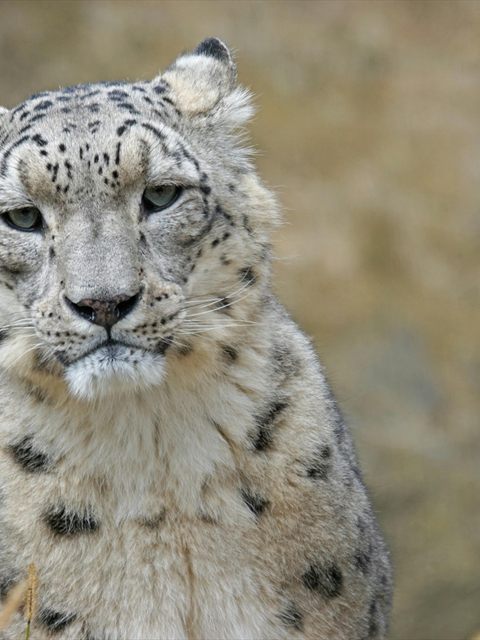
- Wolves, snow leopards
- Defense Mechanisms
- They rely on their speed and agility to escape predators, often fleeing in groups.
- Compatible Animals
- none
- Found in Zoos
- Uncommon