


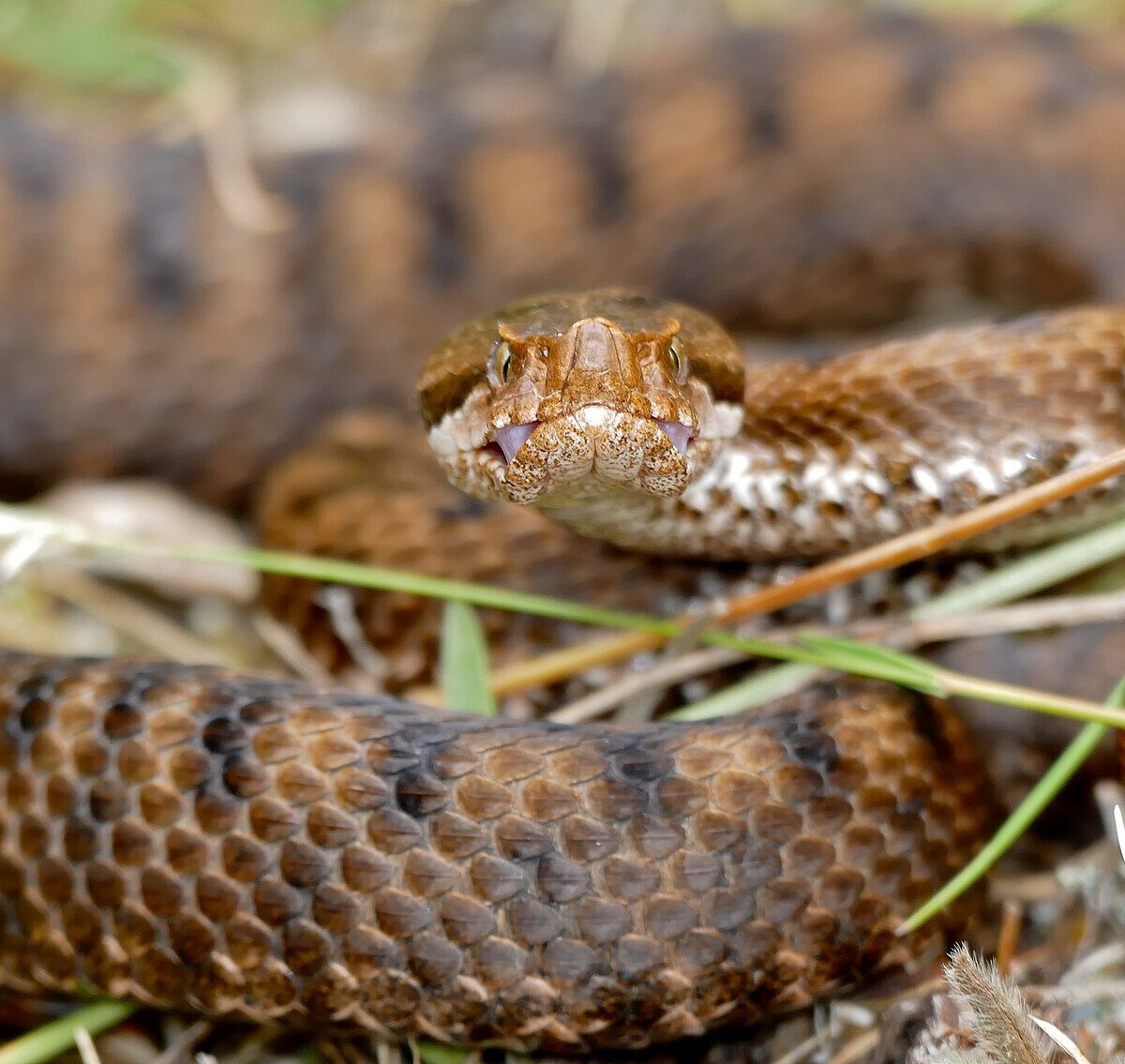
ASP VIPER
Vipera aspis
DESCRIPTION
Asp Viper (Vipera aspis) is commonly known as the European Asp or Common Asp. This venomous snake is characterized by its robust body, triangular head, and distinctive patterns that can vary in color from gray to brown, often with dark zigzag markings along its back. Asp Vipers are primarily terrestrial and are known for their ambush hunting strategy, often lying in wait for small mammals and birds in their natural habitats.
FUN FACTS
- Asp Vipers are known for their ability to adapt to various habitats, which has allowed them to thrive in diverse environments across Europe
- They are also capable of producing a range of venom types, which can vary in potency depending on their diet and habitat conditions.|Despite their fearsome reputation, Asp Vipers are generally not aggressive towards humans and will often retreat if given the chance
- Their venom is primarily used for subduing prey rather than for defense against larger threats
QUICK INFO
Lifespan10-15 years in the wild, up to 20 in captivity
Average Weight0.5-1 kg
Average Length60-90 cm
Diet TypeCarnivore
Social Structuresolitary
Activity PatternDiurnal
Breeding SeasonSpring (April-June)
- Habitat
- Asp Vipers inhabit a variety of environments, including forests, grasslands, and rocky areas. They prefer areas with ample cover and basking spots, often near water sources.
- Biomes
- Temperate Forest, Grassland, Mediterranean
- Native Range
- The native range of the Asp Viper includes parts of southern and central Europe, extending from France to Italy and into the Balkans.
- Continent
- Europe
- Countries
- France, Italy, Switzerland, Germany, Slovenia, Croatia
- Diet
- Asp Vipers primarily feed on small mammals, birds, and occasionally lizards. They use their venom to immobilize prey before consumption.
- Diet Type
- Carnivore
- Favorite Food
- small mammals, birds
- Social Structure
- solitary
- Activity Pattern
- Diurnal
- Group Size
- 1
- Territorial
- 1
 VU
VU
 LC
LC
0.5-1 kg
Weight
60-90 cm
Length
- Coloration
- varies from gray to brown with dark zigzag patterns
- Sexual Dimorphism
- females are generally larger than males
- Lifespan
- 10-15 years in the wild, up to 20 in captivity
- Gestation Period
- 90-100 days
- Offspring per Birth
- 4-20
- Sexual Maturity
- 2-3 years
- Breeding Season
- Spring (April-June)
LC
Least Concern
IUCN Red List Status
- Population Status
- The population of Asp Vipers is currently stable in many areas, although local declines have been noted due to habitat loss.
- Wild Population Estimate
- unknown
- Population Trend
- Stable
- Endangered
- 0
- Threats
- Main threats to Asp Vipers include habitat destruction and road mortality. They are also sometimes persecuted due to fear of their venomous bite.
- Predators
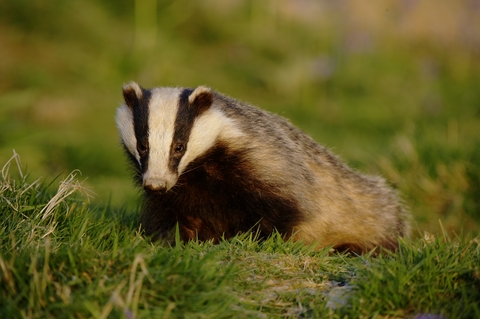
- birds of prey, larger snakes, mammals such as foxes and badgers
- Defense Mechanisms
- Asp Vipers rely on their venom for defense and can also exhibit aggressive posturing when threatened.
- Found in Zoos
- Uncommon