


AXIS DEER
Axis axis
DESCRIPTION
The Axis Deer, also known as the Chital, is a medium-sized deer native to the Indian subcontinent. It is characterized by its spotted coat and is known for its graceful movements and social behavior.
FUN FACTS
- Axis Deer are known for their beautiful spotted coats | They are one of the few deer species that can be found in large herds | Males shed their antlers annually, typically in late winter
QUICK INFO
Lifespan10-15 years in the wild, up to 20 in captivity
Average Weight50-100 kg
Average Length1.5-2.1 m
Diet TypeHerbivore
Social Structuregroup — typically found in herds of females and young, with males being more solitary.
Activity PatternDiurnal
Breeding SeasonYear-round, with peaks during the monsoon season
- Habitat
- They inhabit a variety of environments, including grasslands, forests, and scrublands. They prefer areas with abundant vegetation and access to water sources.
- Biomes
- Tropical Rainforest, Savanna, Grassland
- Native Range
- Primarily found in India, Sri Lanka, Nepal, and Bangladesh.
- Continent
- Asia
- Countries
- India, Sri Lanka, Nepal, Bangladesh
- Diet
- Axis Deer are herbivores that primarily feed on grasses, leaves, and fruits. They are known to graze in open grasslands and forest clearings.
- Diet Type
- Herbivore
- Favorite Food
- grasses, leaves, fruits
- Social Structure
- group — typically found in herds of females and young, with males being more solitary.
- Activity Pattern
- Diurnal
- Group Size
- 10-30
- Territorial
- 0
 EN
EN
 VU
VU
 EN
EN
50-100 kg
Weight
1.5-2.1 m
Length
0.9 m at shoulder
Height (Shoulder)
- Coloration
- reddish-brown coat with white spots
- Sexual Dimorphism
- Males are larger and have antlers, while females are smaller and do not have antlers.
- Lifespan
- 10-15 years in the wild, up to 20 in captivity
- Gestation Period
- 210 days
- Offspring per Birth
- 1
- Sexual Maturity
- 1-2 years
- Breeding Season
- Year-round, with peaks during the monsoon season
LC
Least Concern
IUCN Red List Status
- Population Status
- The population is generally stable, but local declines may occur due to habitat loss.
- Wild Population Estimate
- 100,000+
- Population Trend
- Stable
- Endangered
- 0
- Threats
- Main threats include habitat loss due to agriculture and urbanization, as well as poaching in some areas.
- Predators
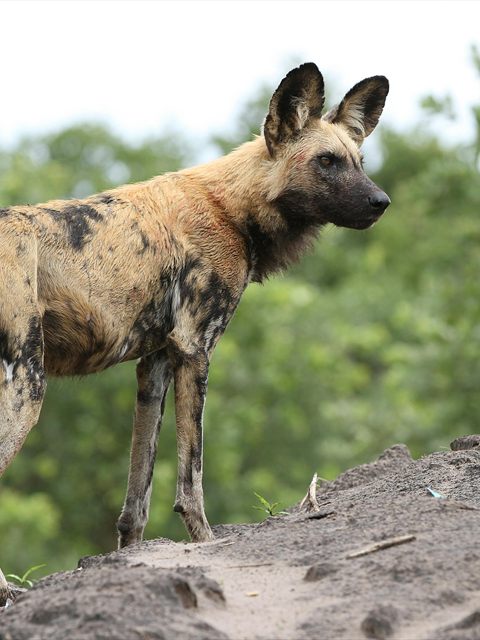
- Tigers, leopards, and wild dogs
- Defense Mechanisms
- They rely on their speed and agility to escape predators, often using dense vegetation for cover.
- Found in Zoos
- Common