


BABOON
Papio
DESCRIPTION
Baboons are large primates known for their distinctive long muzzles and social behavior. They are highly adaptable and can thrive in a variety of environments.
FUN FACTS
- Baboons have a complex social hierarchy | They can recognize individual faces and remember them for years | Baboons are known for their intelligence and problem-solving abilities
QUICK INFO
Lifespan20-30 years in the wild, up to 45 in captivity
Average Weight20-45 kg
Average Length0.6-1.2 m
Diet TypeOmnivore
Social StructureGroup — Baboons live in large social groups called troops, which are led by a dominant male.
Activity PatternDiurnal
Breeding SeasonYear-round
- Habitat
- Baboons inhabit savannas, woodlands, and grasslands. They are often found near water sources and can adapt to various habitats.
- Biomes
- Savanna, Grassland, Woodland
- Native Range
- Baboons are native to Africa and parts of the Arabian Peninsula.
- Continent
- Africa
- Countries
- Ethiopia, Kenya, South Africa, Tanzania, Somalia
- Diet
- Baboons are omnivorous and consume a wide range of foods including fruits, seeds, and small animals. They are known to forage for food in groups, which helps them find a diverse diet.
- Diet Type
- Omnivore
- Favorite Food
- Fruits, seeds, and roots
- Social Structure
- Group — Baboons live in large social groups called troops, which are led by a dominant male.
- Activity Pattern
- Diurnal
- Group Size
- 10-100
- Territorial
- 1
 LC
LC
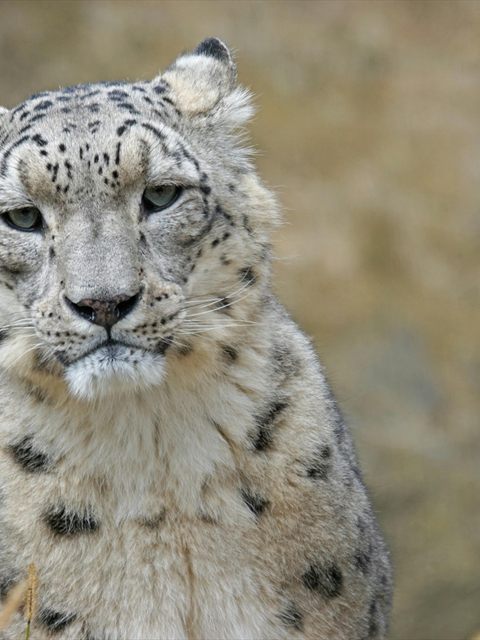 VU
VU
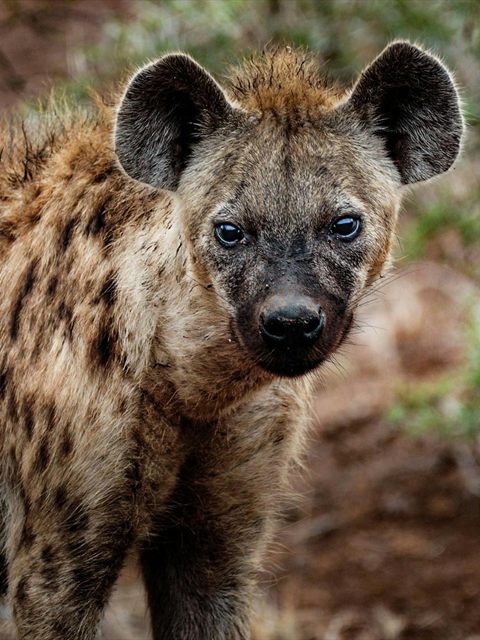 LC
LC
20-45 kg
Weight
0.6-1.2 m
Length
- Coloration
- Baboons have a mix of brown, tan, and gray fur, with some species displaying colorful facial features.
- Sexual Dimorphism
- Males are generally larger than females.
- Lifespan
- 20-30 years in the wild, up to 45 in captivity
- Gestation Period
- 180 days
- Offspring per Birth
- 1
- Sexual Maturity
- 4-5 years
- Breeding Season
- Year-round
LC
Least Concern
IUCN Red List Status
- Population Status
- Baboons are widespread and generally have stable populations.
- Wild Population Estimate
- 1,000,000+
- Population Trend
- Stable
- Endangered
- 0
- Threats
- Habitat loss and human-wildlife conflict are the main threats to baboons. They may also be hunted in some regions.
- Predators
- Lions, leopards, and hyenas
- Defense Mechanisms
- Baboons use vocalizations, aggressive displays, and group defense to protect themselves from predators.
- Found in Zoos
- Common