


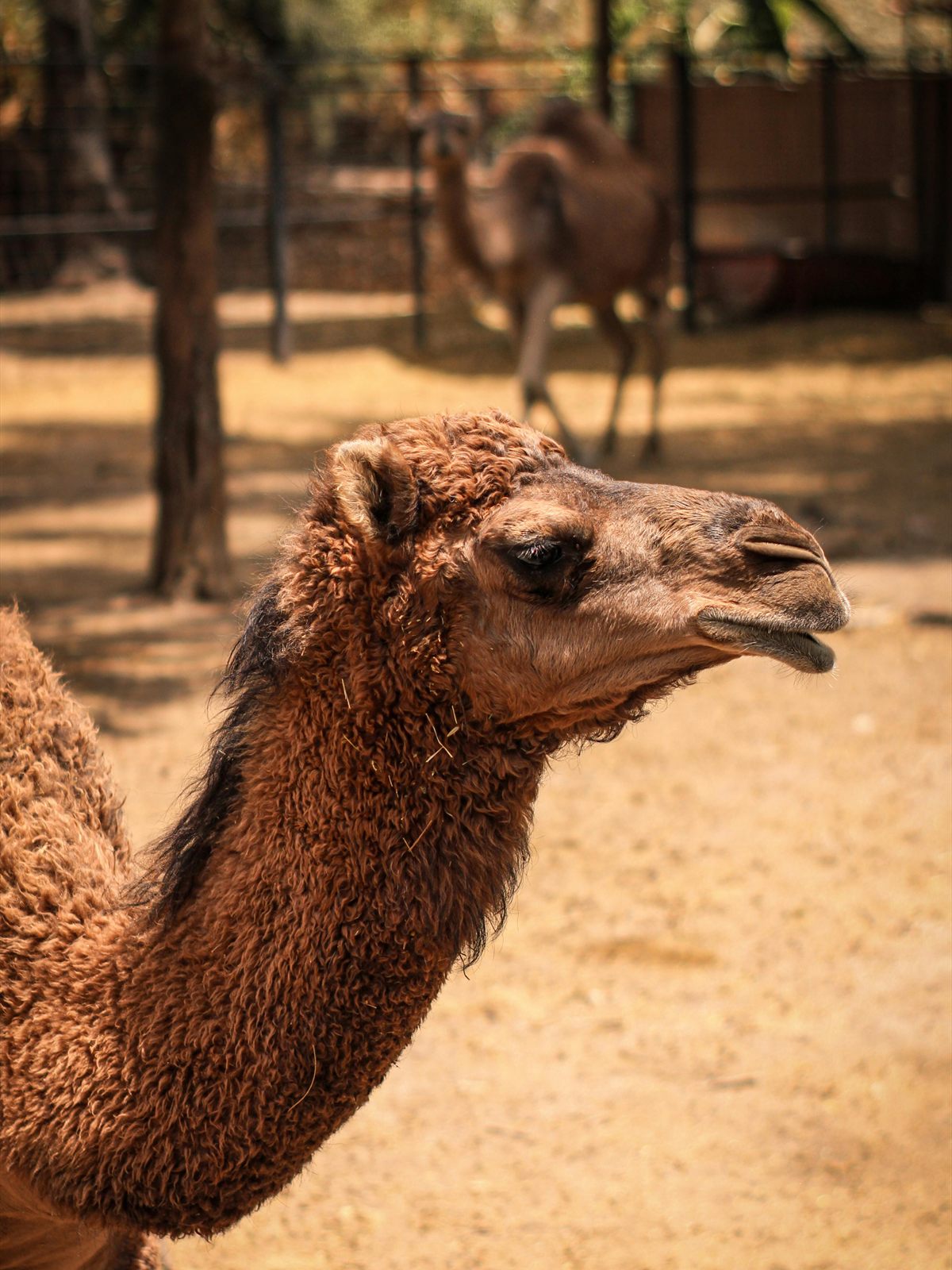
BACTRIAN CAMEL
Camelus bactrianus
DESCRIPTION
The Bactrian camel, also known as the domestic camel, is a large, even-toed ungulate native to the Central Asian steppes. It is characterized by its two humps, which store fat that can be metabolized for energy and water.
FUN FACTS
- Bactrian camels can drink up to 40 gallons of water in one go | They can survive without water for several weeks | Their humps can weigh up to 80 pounds when fully loaded with fat
QUICK INFO
Lifespan40-50 years in captivity, 20-30 years in the wild
Average Weight400-600 kg
Average Length2.2-3.5 m
Diet TypeHerbivore
Social Structuregroup — typically found in herds of 5-20 individuals.
Activity PatternDiurnal
Breeding SeasonWinter (November-February)
- Habitat
- Bactrian camels inhabit arid and semi-arid regions, including deserts and steppes. They are well adapted to extreme temperatures and can survive in harsh conditions.
- Biomes
- Desert, Grassland
- Native Range
- Central Asia, particularly in Mongolia and China.
- Continent
- Asia
- Countries
- Mongolia, China, Kazakhstan
- Diet
- Bactrian camels are herbivores that primarily graze on grasses, shrubs, and other vegetation. They are well adapted to arid environments and can consume tough, dry plant material.
- Diet Type
- Herbivore
- Favorite Food
- grasses, shrubs
- Social Structure
- group — typically found in herds of 5-20 individuals.
- Activity Pattern
- Diurnal
- Group Size
- 5-20
- Territorial
- 0
 LC
LC
 VU
VU
400-600 kg
Weight
2.2-3.5 m
Length
1.8 m at shoulder
Height (Shoulder)
- Coloration
- thick, shaggy fur that can be light brown to dark brown
- Sexual Dimorphism
- males are generally larger than females
- Lifespan
- 40-50 years in captivity, 20-30 years in the wild
- Gestation Period
- 13 months
- Offspring per Birth
- 1
- Sexual Maturity
- 3-4 years
- Breeding Season
- Winter (November-February)
LC
Least Concern
IUCN Red List Status
- Population Status
- The population is stable but varies regionally due to habitat loss and domestication.
- Wild Population Estimate
- 1,000-2,000
- Population Trend
- Stable
- Endangered
- 0
- Threats
- Main threats include habitat loss due to agriculture and climate change. Domestication has also led to a decline in wild populations.
- Predators
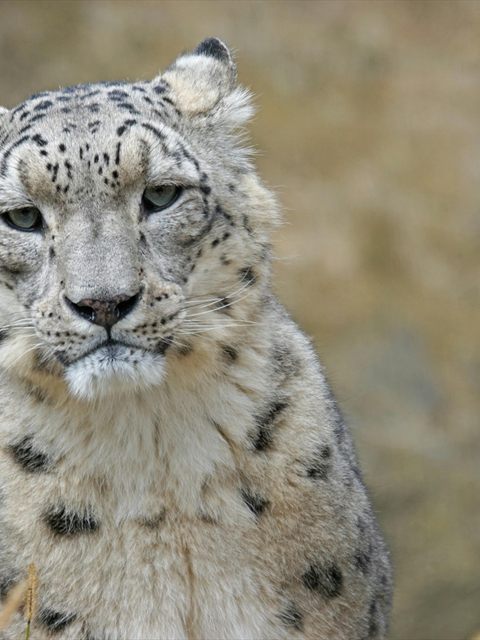
- wolves, snow leopards
- Defense Mechanisms
- Bactrian camels can defend themselves by kicking and spitting when threatened.
- Compatible Animals
- none
- Found in Zoos
- Common