


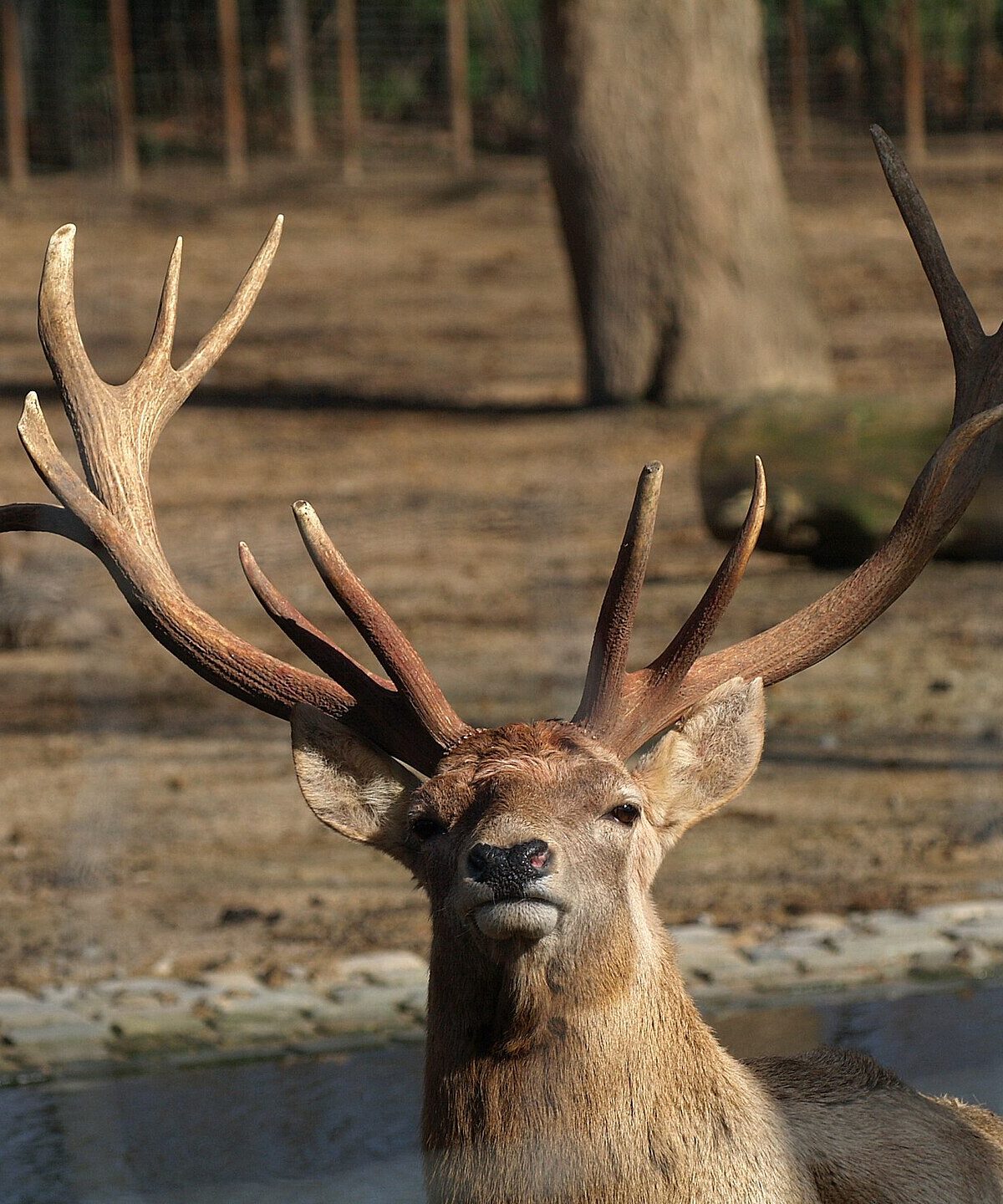
BACTRIAN WAPITI
Cervus hanglu bactrianus
DESCRIPTION
Bactrian Wapiti (Cervus hanglu bactrianus) is a subspecies of the elk, characterized by its large size and impressive antlers, which can grow up to 1 meter in length. This deer has a robust body covered in a reddish-brown coat, which becomes lighter in color during the summer months. They are primarily found in the mountainous regions of Central Asia, where they inhabit forests and grasslands, showcasing a preference for areas with abundant vegetation.
FUN FACTS
- Bactrian Wapiti are known for their impressive antlers, which can weigh up to 40 kg and are shed annually
- | These deer play a crucial role in their ecosystem by helping to maintain the health of their habitats through grazing, which promotes plant diversity
QUICK INFO
Lifespan15-20 years in wild, up to 25 in captivity
Average Weight150-250 kg
Average Length1.8-2.5 m
Diet TypeHerbivore
Social Structuregroup — they often form herds, especially during the mating season.
Activity PatternDiurnal
Breeding SeasonAutumn (September-November)
- Habitat
- Bactrian Wapiti thrive in mountainous and forested regions, often found in areas with a mix of open grasslands and dense woodlands. They prefer habitats that provide ample food sources and cover from predators.
- Biomes
- Temperate Forest, Grassland
- Native Range
- The native range of Bactrian Wapiti includes parts of Central Asia, particularly in Mongolia and northern China.
- Continent
- Asia
- Countries
- Mongolia, China
- Diet
- Bactrian Wapiti primarily feeds on grasses, leaves, and shrubs, utilizing its strong teeth to graze effectively. They are known to forage in both open fields and dense forests.
- Diet Type
- Herbivore
- Favorite Food
- grasses, leaves, shrubs
- Social Structure
- group — they often form herds, especially during the mating season.
- Activity Pattern
- Diurnal
- Group Size
- 10-30
- Territorial
- 0
 LC
LC
 VU
VU
150-250 kg
Weight
1.8-2.5 m
Length
1.2 m at shoulder
Height (Shoulder)
- Coloration
- reddish-brown coat that lightens in summer
- Sexual Dimorphism
- males are larger and have antlers, females do not
- Lifespan
- 15-20 years in wild, up to 25 in captivity
- Gestation Period
- 230 days
- Offspring per Birth
- 1
- Sexual Maturity
- 2-3 years
- Breeding Season
- Autumn (September-November)
VU
Vulnerable
IUCN Red List Status
- Population Status
- The population of Bactrian Wapiti is currently considered vulnerable due to habitat loss and hunting pressures.
- Wild Population Estimate
- 5,000-10,000
- Population Trend
- Decreasing
- Endangered
- 1
- Threats
- Main threats to Bactrian Wapiti include habitat destruction due to agriculture and urban development, as well as poaching. These factors have significantly impacted their population numbers in the wild.
- Conservation Program
- Conservation efforts are underway in Mongolia to protect their habitats and reduce poaching.
- Predators
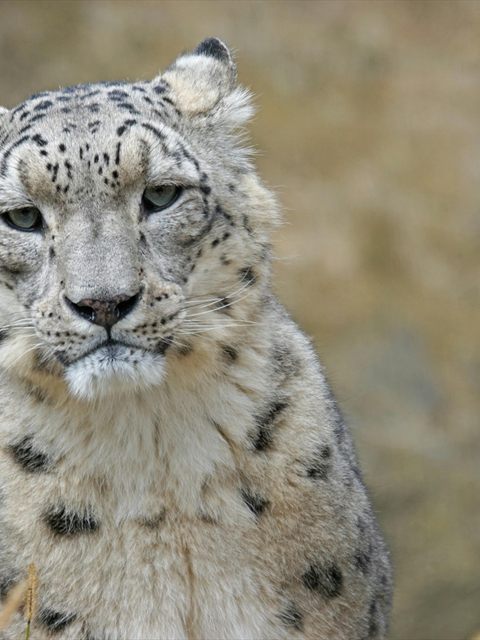
- Wolves, snow leopards, and humans are the primary predators of Bactrian Wapiti.
- Defense Mechanisms
- They rely on their speed and agility to escape predators, often fleeing to dense cover when threatened.
- Compatible Animals
- none
- Found in Zoos
- Uncommon