



BAHAMA DUCK
Anas bahamensis
DESCRIPTION
The Bahama Duck, also known as the Black Duck, is a medium-sized waterfowl native to the Bahamas. It is characterized by its dark plumage and distinctive vocalizations.
FUN FACTS
- Bahama Ducks are excellent swimmers | They are known for their distinctive quacking sounds | They play a crucial role in their ecosystem by helping to control aquatic plant growth
QUICK INFO
Lifespan10-15 years in the wild
Average Weight0.8-1.2 kg
Average Length50-60 cm
Diet TypeOmnivore
Social Structurepair, often seen in small groups outside of breeding season
Activity PatternDiurnal
Breeding SeasonSpring (March-May)
- Habitat
- They inhabit freshwater and brackish wetlands, including marshes and ponds. These ducks prefer areas with dense vegetation for cover.
- Biomes
- Wetlands, Coastal
- Native Range
- The Bahama Duck is native to the Bahamas and the surrounding islands.
- Continent
- North America
- Countries
- Bahamas
- Diet
- Bahama Ducks primarily feed on aquatic plants, seeds, and small invertebrates. They forage in shallow waters and wetlands.
- Diet Type
- Omnivore
- Favorite Food
- aquatic plants, seeds, invertebrates
- Social Structure
- pair, often seen in small groups outside of breeding season
- Activity Pattern
- Diurnal
- Group Size
- 2-10
- Territorial
- 0
 LC
LC
 VU
VU
0.8-1.2 kg
Weight
50-60 cm
Length
- Coloration
- dark brown to black with lighter mottling
- Lifespan
- 10-15 years in the wild
- Offspring per Birth
- 6-12
- Sexual Maturity
- 1 year
- Breeding Season
- Spring (March-May)
LC
Least Concern
IUCN Red List Status
- Population Status
- The population is currently stable but localized.
- Wild Population Estimate
- unknown
- Population Trend
- Stable
- Endangered
- 0
- Threats
- Habitat loss due to development and pollution are the main threats to the Bahama Duck. Invasive species also pose a risk to their populations.
- Predators
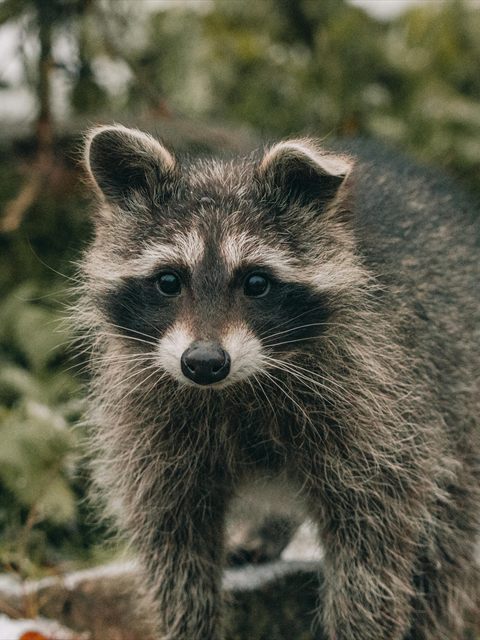
- Raccoons, birds of prey
- Defense Mechanisms
- They rely on camouflage and quick flight to evade predators.
- Found in Zoos
- Uncommon