


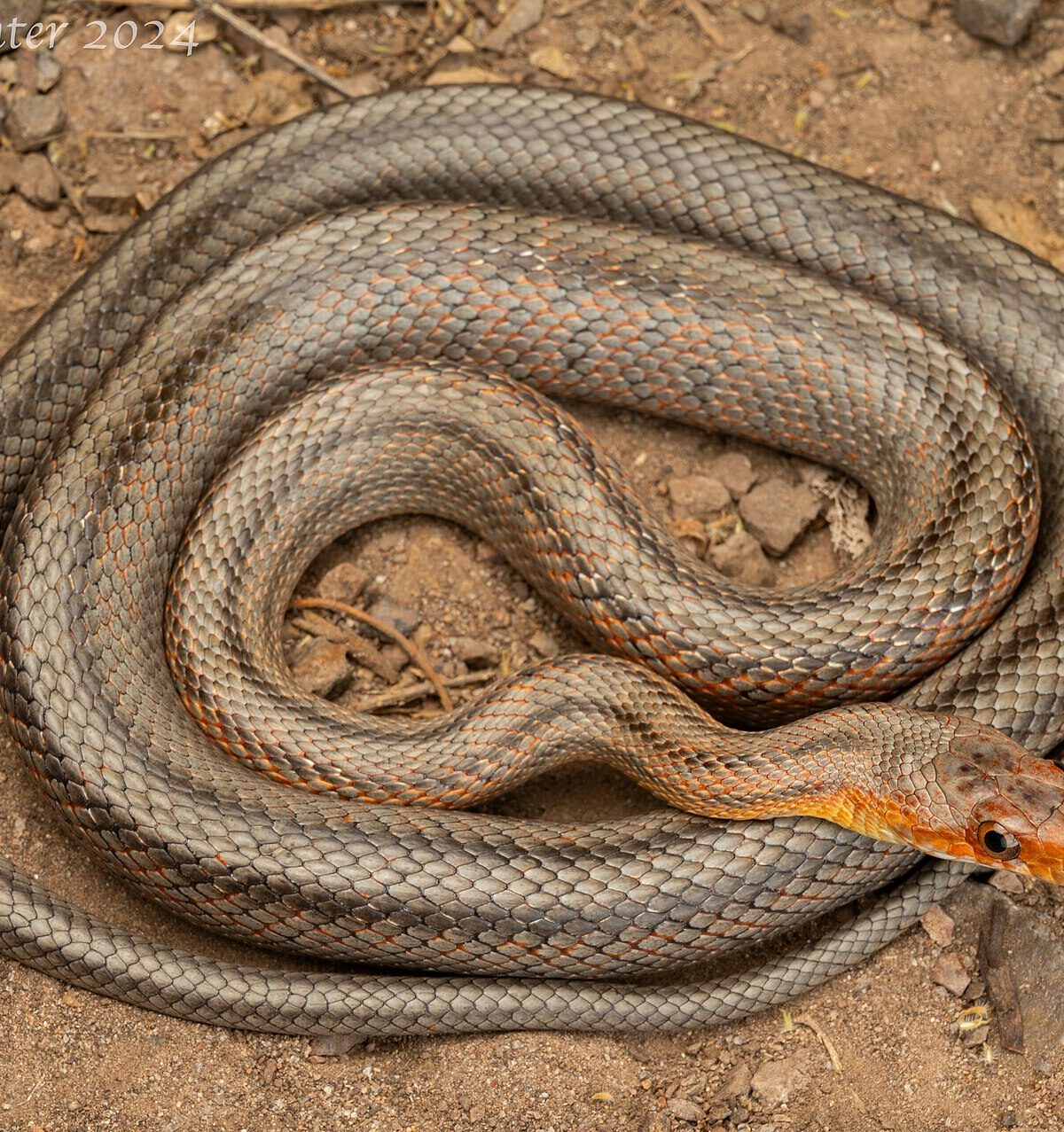
BAIRD'S RATSNAKE
Pantherophis bairdi
DESCRIPTION
Baird's ratsnake (Pantherophis bairdi) is a non-venomous colubrid snake native to North America. It is characterized by its distinctive coloration, which typically includes a pattern of dark brown or black blotches on a lighter background, often yellow or cream. This species is known for its climbing ability and is often found in trees, where it hunts for small mammals and birds, showcasing its adaptability to various habitats.
FUN FACTS
- Baird's ratsnake is an excellent climber, often seen basking in trees or hunting birds' nests
- This species is also known for its docile nature, making it a popular choice among reptile enthusiasts for captivity.|Baird's ratsnake can vary significantly in coloration and pattern, leading to a wide range of appearances within the species
- This variability can help them adapt to different environments and avoid predators
QUICK INFO
Lifespan10-15 years in the wild, up to 20 in captivity
Average Weight1-2 kg
Average Length1.2-1.8 m
Diet TypeCarnivore
Social Structuresolitary, typically found alone except during mating
Activity PatternDiurnal
Breeding SeasonSpring (April-June)
- Habitat
- Baird's ratsnake inhabits a variety of environments, including forests, grasslands, and agricultural areas. It prefers areas with ample cover and climbing opportunities, such as trees and shrubs.
- Biomes
- Temperate Forest, Grassland
- Native Range
- This species is found in the central and southern United States, particularly in regions like Texas and Oklahoma.
- Continent
- North America
- Countries
- United States, Mexico
- Diet
- Baird's ratsnake primarily feeds on small mammals, birds, and occasionally reptiles. It uses constriction to subdue its prey before consumption.
- Diet Type
- Carnivore
- Favorite Food
- small mammals, birds
- Social Structure
- solitary, typically found alone except during mating
- Activity Pattern
- Diurnal
- Group Size
- 1
- Territorial
- 0
 VU
VU

1-2 kg
Weight
1.2-1.8 m
Length
- Coloration
- dark brown or black blotches on a lighter background
- Sexual Dimorphism
- males are generally smaller than females
- Lifespan
- 10-15 years in the wild, up to 20 in captivity
- Gestation Period
- 60-70 days
- Offspring per Birth
- 5-15
- Sexual Maturity
- 2-3 years
- Breeding Season
- Spring (April-June)
LC
Least Concern
IUCN Red List Status
- Population Status
- The population is currently stable, with no significant declines reported.
- Wild Population Estimate
- unknown
- Population Trend
- Stable
- Endangered
- 0
- Threats
- Habitat loss due to urban development and agriculture poses a threat to Baird's ratsnake populations. Additionally, road mortality and persecution by humans can impact their numbers.
- Predators
- birds of prey, larger snakes, mammals such as raccoons and foxes
- Defense Mechanisms
- Baird's ratsnake relies on camouflage and can also mimic a rattlesnake's warning behavior when threatened.
- Found in Zoos
- Uncommon