


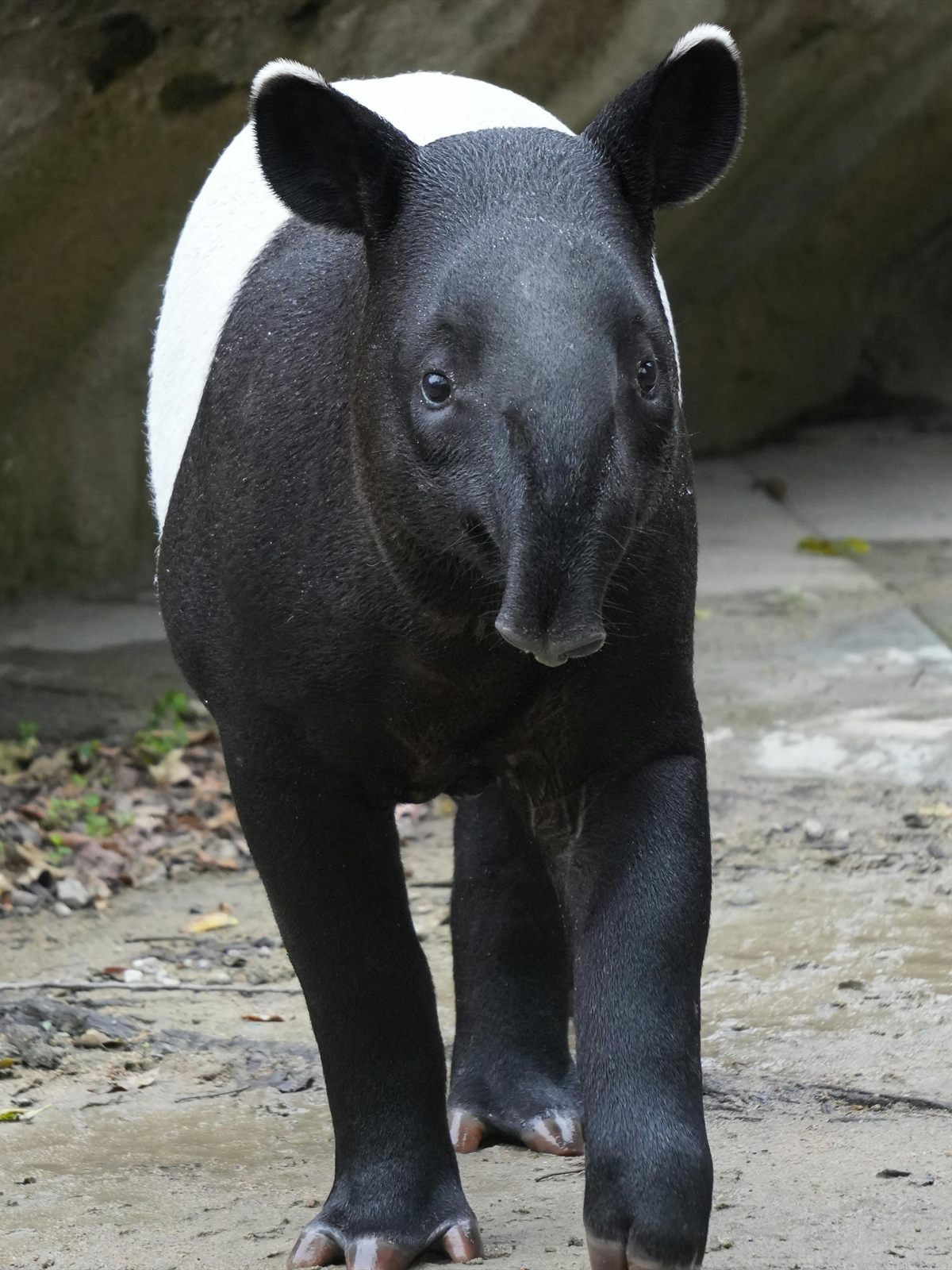
BAIRD'S TAPIR
DESCRIPTION
Baird's Tapir is the largest land mammal in Central America, characterized by its stout body, short legs, and a distinctive prehensile snout that resembles a trunk. They have a thick, barrel-shaped body covered in coarse, bristly hair, typically brown or grayish in color, with lighter markings on the face and legs. Baird's Tapirs are primarily nocturnal and are excellent swimmers, often found in or near water bodies, where they can submerge themselves to evade predators.
FUN FACTS
- Baird's Tapir is named after the American naturalist Spencer Fullerton Baird, who was instrumental in the study of North American fauna
- They are often referred to as 'living fossils' because their ancestors have existed for millions of years, and they share a close evolutionary relationship with horses and rhinoceroses.|Baird's Tapirs have a unique way of communicating; they produce a variety of sounds, including whistles, grunts, and snorts, to convey different messages
- Their vocalizations can be heard during mating season and are essential for maintaining social interactions
QUICK INFO
Lifespan25-30 years in the wild, up to 35 in captivity
Average Weight150-300 kg
Average Length1.8-2.5 m
Diet TypeHerbivore
Social Structuresolitary, occasionally seen in pairs during mating
Activity PatternNocturnal
Breeding SeasonYear-round, peaks in rainy season
- Habitat
- Baird's Tapir inhabits tropical rainforests, swamps, and riverine areas. They prefer dense vegetation near water sources, which provides cover and food.
- Biomes
- Tropical Rainforest, Wetlands
- Native Range
- Baird's Tapir is native to Central America, ranging from southern Mexico to western Colombia.
- Continent
- North America, South America
- Countries
- Mexico, Belize, Guatemala, Honduras, Nicaragua, Costa Rica, Panama, Colombia
- Diet
- Baird's Tapir is herbivorous, primarily feeding on leaves, fruits, and aquatic plants. They play a crucial role in their ecosystem by dispersing seeds through their feces.
- Diet Type
- Herbivore
- Favorite Food
- leaves, fruits, aquatic plants
- Social Structure
- solitary, occasionally seen in pairs during mating
- Activity Pattern
- Nocturnal
- Group Size
- 1-2
- Territorial
- 0
 NT
NT

 VU
VU
150-300 kg
Weight
1.8-2.5 m
Length
1.0-1.2 m at shoulder
Height (Shoulder)
- Coloration
- brown to grayish with lighter markings
- Lifespan
- 25-30 years in the wild, up to 35 in captivity
- Gestation Period
- 390-395 days
- Offspring per Birth
- 1
- Sexual Maturity
- 3-4 years
- Breeding Season
- Year-round, peaks in rainy season
EN
Endangered
IUCN Red List Status
- Population Status
- Baird's Tapir populations are declining due to habitat loss and hunting.
- Wild Population Estimate
- 5,000-10,000
- Population Trend
- Decreasing
- Endangered
- 1
- Threats
- The main threats to Baird's Tapir include habitat destruction due to deforestation and agricultural expansion, as well as poaching for meat and skin. These pressures have led to significant declines in their populations across their range.
- Conservation Program
- Various conservation programs are in place, including habitat protection and anti-poaching initiatives in several Central American countries.
- Predators
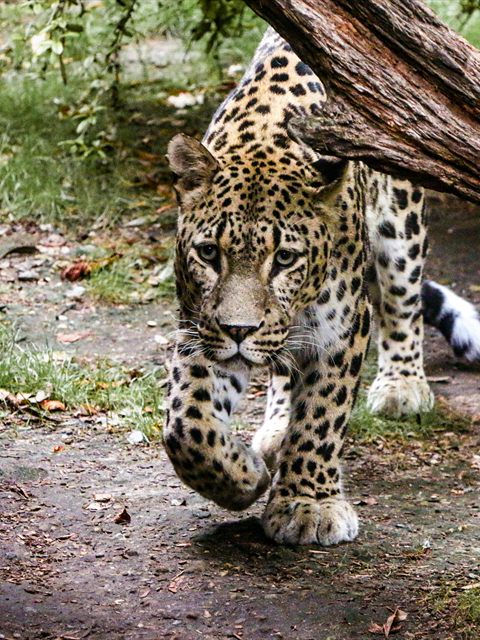
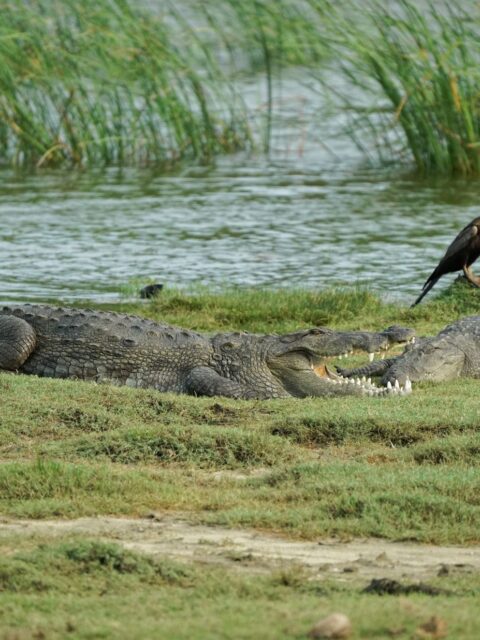
- Jaguar, puma, crocodiles, and large snakes are known predators of Baird's Tapir, particularly when they are young or vulnerable.
- Defense Mechanisms
- Baird's Tapirs rely on their excellent swimming ability to escape predators, often submerging themselves in water to avoid detection.
- Found in Zoos
- Uncommon