


BAJA BLUE ROCK LIZARD
Petrosaurus megalonyx
DESCRIPTION
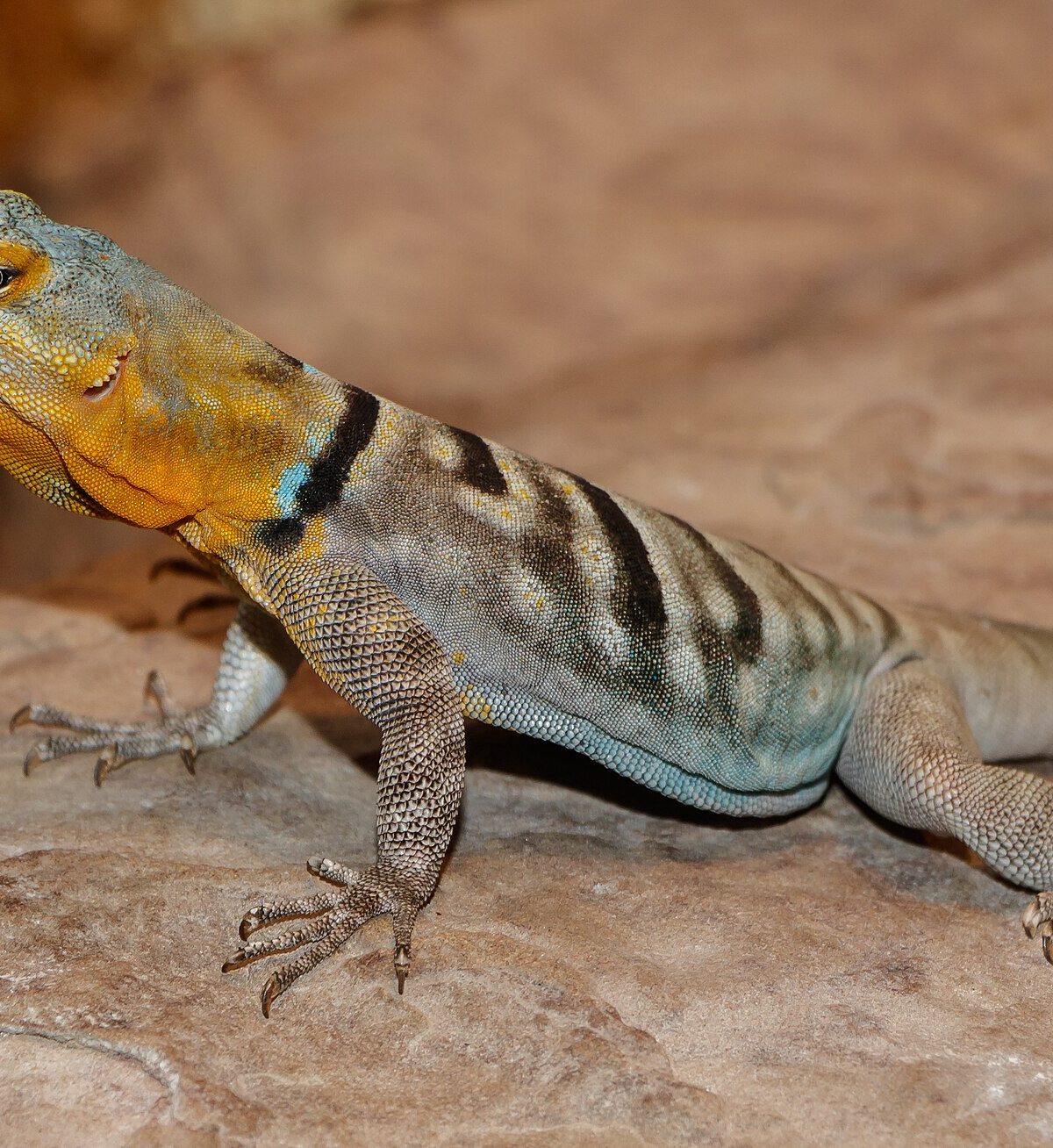
Baja Blue Rock Lizard (Petrosaurus megalonyx) is a striking species known for its vibrant blue coloration, particularly in males during the breeding season. These lizards are typically found in rocky habitats, where they exhibit a behavior of basking on sunlit rocks and quickly retreating into crevices when threatened. Their ecological role includes controlling insect populations and serving as prey for various predators in their environment.
FUN FACTS
- Baja Blue Rock Lizards are known for their impressive agility and speed, allowing them to escape predators quickly
- They also exhibit fascinating social behaviors, with males often engaging in displays of color and movement to attract females during the breeding season.|These lizards have a unique ability to change their body temperature by basking in the sun or seeking shade, which is crucial for their survival in the hot desert environment
QUICK INFO
Average Length15-20 cm
Diet TypeInsectivore
Social Structuresolitary, with males often defending territories during the breeding season.
Activity PatternDiurnal
Breeding SeasonSpring to early summer
- Habitat
- Baja Blue Rock Lizards inhabit rocky outcrops and desert scrub areas, often favoring locations with ample sunlight and shelter. They are well-adapted to arid environments.
- Biomes
- Desert
- Native Range
- Endemic to the Baja California Peninsula in Mexico.
- Continent
- North America
- Countries
- Mexico
- Diet
- They primarily feed on insects and other small invertebrates, which they catch with their quick reflexes. Occasionally, they may consume plant material.
- Diet Type
- Insectivore
- Favorite Food
- insects
- Social Structure
- solitary, with males often defending territories during the breeding season.
- Activity Pattern
- Diurnal
- Group Size
- 1-2
- Territorial
- 1
 VU
VU
 LC
LC
15-20 cm
Length
- Coloration
- Males display bright blue coloration, while females are generally more subdued in color, often brown or gray.
- Sexual Dimorphism
- Males are more colorful than females, especially during the breeding season.
- Offspring per Birth
- 3-10
- Sexual Maturity
- 1-2 years
- Breeding Season
- Spring to early summer
LC
Least Concern
IUCN Red List Status
- Population Status
- Population status is currently stable, but habitat loss poses potential risks.
- Population Trend
- Stable
- Endangered
- 0
- Threats
- Main threats include habitat destruction due to urban development and climate change. Additionally, predation by domestic animals can impact local populations.
- Predators
- Birds of prey, snakes, and larger lizards.
- Defense Mechanisms
- They can quickly retreat into crevices and use their coloration for camouflage against predators.
- Found in Zoos
- Uncommon