


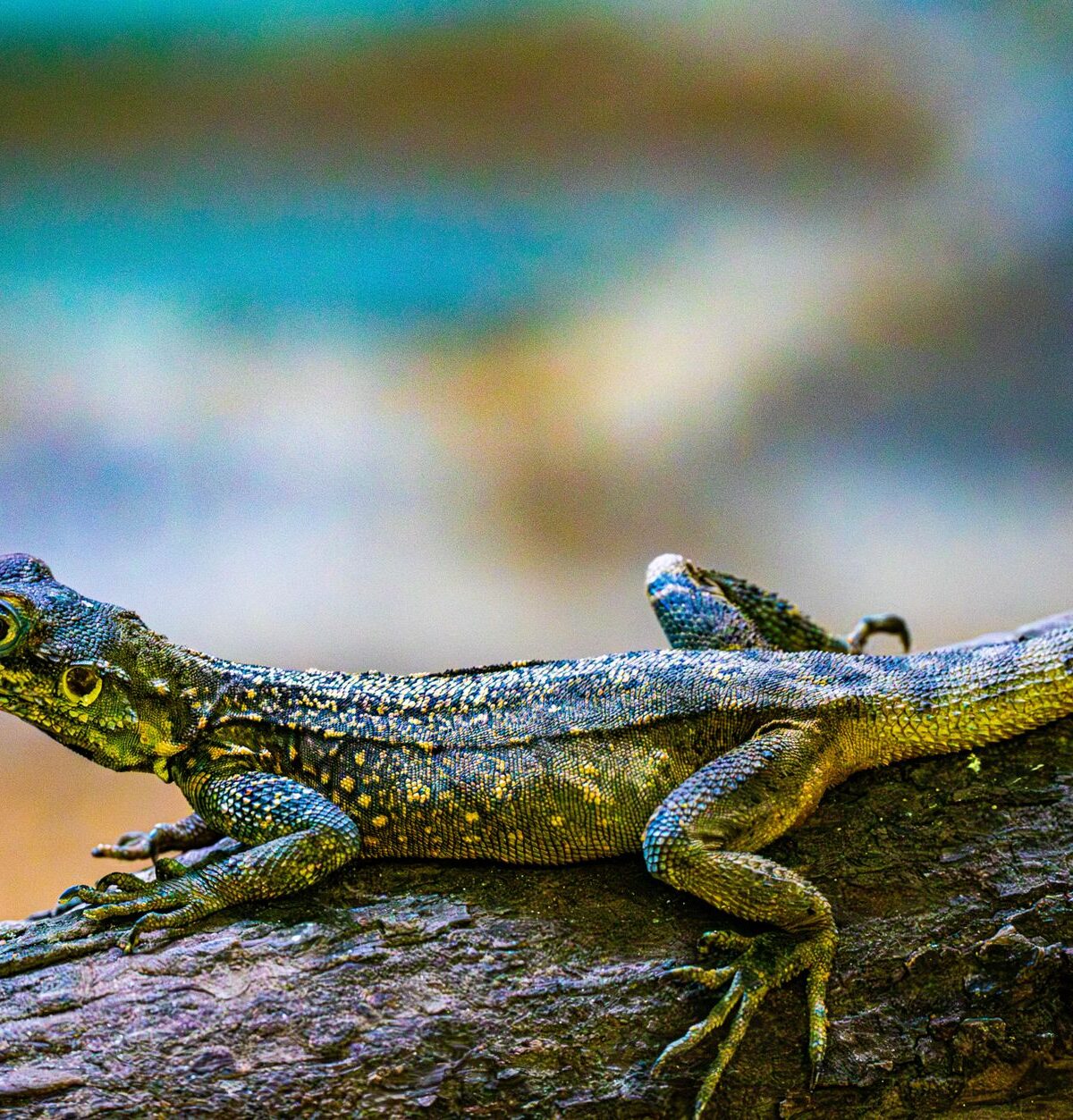
BAND LIZARD
Sceloporus undulatus
DESCRIPTION
Band Lizard (Sceloporus undulatus) is commonly known as the Eastern Fence Lizard and the Prairie Lizard. This species is characterized by its rough, spiny scales and a distinctive pattern of dark bands across its back, which can vary in intensity among individuals. They are typically found basking on rocks or logs and are known for their quick movements and ability to climb trees and shrubs.
FUN FACTS
- Band Lizards are known for their ability to change color slightly based on their environment, which helps them blend in and avoid predators
- Additionally, they have a unique courtship display where males perform push-ups to attract females, showcasing their strength and fitness
QUICK INFO
Lifespan3-5 years in the wild, up to 10 years in captivity
Average Length5.5-8.5 inches
Diet TypeInsectivore
Social Structuresolitary, typically found alone or in small groups during the breeding season
Activity PatternDiurnal
Breeding SeasonSpring (April-June)
- Habitat
- These lizards inhabit a variety of environments, including open woodlands, grasslands, and rocky areas. They prefer sunny locations where they can bask and hunt for food.
- Biomes
- Temperate Forest, Grassland
- Native Range
- Band Lizards are native to the eastern and central United States, extending into parts of Mexico.
- Continent
- North America
- Countries
- United States, Mexico
- Diet
- Band Lizards primarily feed on insects and other small invertebrates, capturing them with their quick reflexes. They may also consume small plant matter occasionally.
- Diet Type
- Insectivore
- Favorite Food
- ants, beetles, and other small insects
- Social Structure
- solitary, typically found alone or in small groups during the breeding season
- Activity Pattern
- Diurnal
- Group Size
- 1-5
- Territorial
- 1
 VU
VU
 LC
LC
5.5-8.5 inches
Length
- Coloration
- Typically gray or brown with dark bands and a rough texture
- Sexual Dimorphism
- Males are often more colorful and have larger dewlaps than females.
- Lifespan
- 3-5 years in the wild, up to 10 years in captivity
- Offspring per Birth
- 3-20
- Sexual Maturity
- 1-2 years
- Breeding Season
- Spring (April-June)
LC
Least Concern
IUCN Red List Status
- Population Status
- The population of Band Lizards is generally stable, but local declines may occur due to habitat loss.
- Population Trend
- Stable
- Endangered
- 0
- Threats
- Main threats include habitat destruction and fragmentation due to urban development and agriculture. Additionally, they may be affected by pesticide use, which can reduce their food sources.
- Predators
- Birds of prey, snakes, and larger mammals are known to prey on Band Lizards.
- Defense Mechanisms
- They can quickly flee to cover and may also display aggressive posturing to deter predators.
- Found in Zoos
- Uncommon