


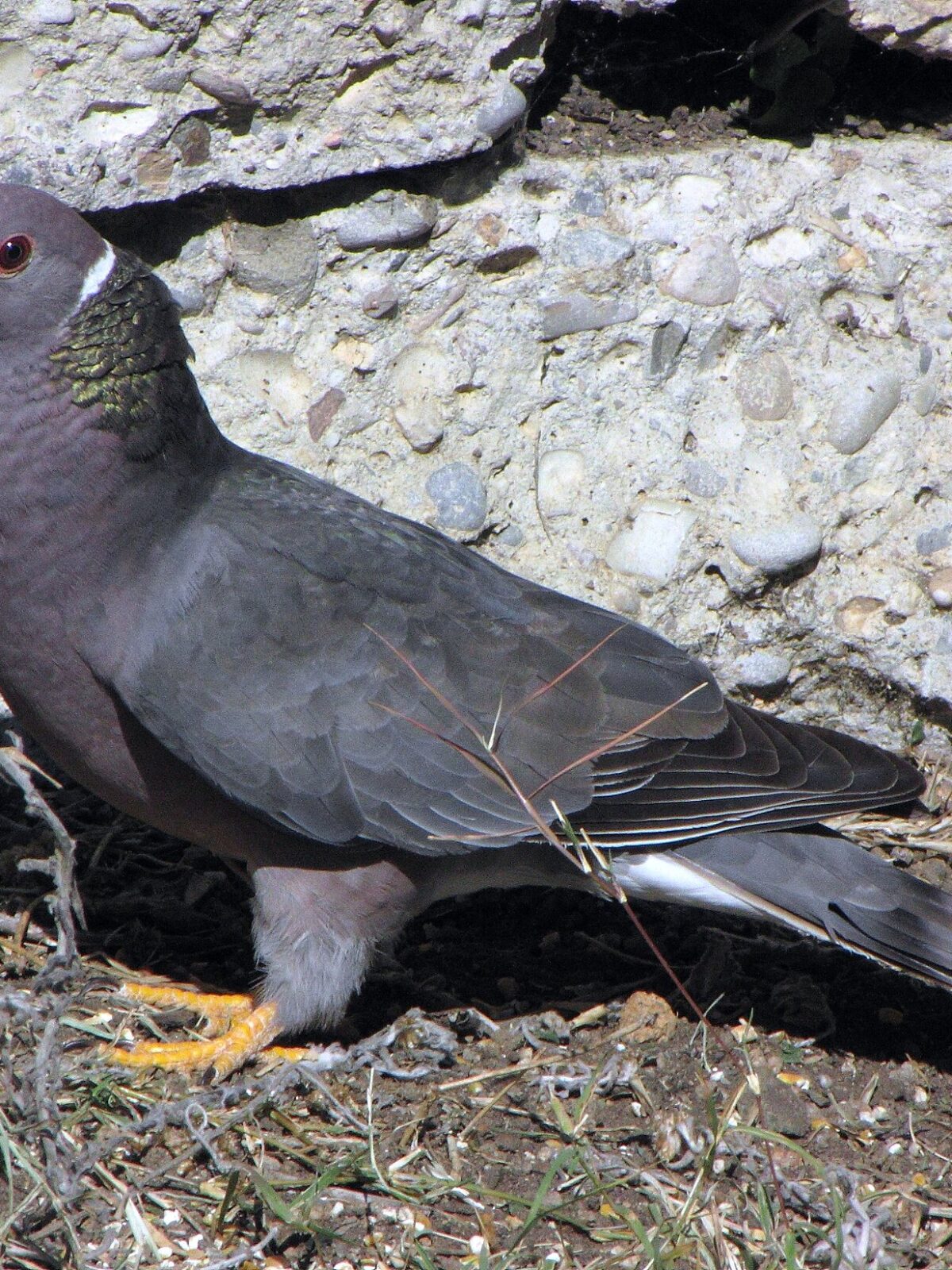
BAND-TAILED PIGEON
Patagioenas fasciata
DESCRIPTION
The Band-Tailed Pigeon is a large, robust bird characterized by its distinctive banded tail and iridescent neck. It has a grayish-brown body with a slightly paler underbelly and a striking white band across its tail, which is particularly visible in flight. This species is known for its gentle cooing calls and is often found in wooded areas, where it forages for food among the trees.
FUN FACTS
- Band-Tailed Pigeons are known for their unique courtship displays, which include puffing up their neck feathers and performing a series of coos to attract mates
- They also have a remarkable ability to find their way home over long distances, which is a trait shared with many pigeon species.| These pigeons play an important ecological role as seed dispersers, helping to maintain the health of their forest habitats
- Their feeding habits contribute to the growth of various plant species, making them vital for ecosystem balance
QUICK INFO
Lifespan10-15 years in the wild, up to 20 years in captivi
Average Weight200-300 g
Average Length30-36 cm
Diet TypeHerbivore
Social StructureThey are often found in pairs or small groups, especially during the breeding season.
Activity PatternDiurnal
Breeding SeasonSpring to early summer
- Habitat
- These pigeons inhabit a variety of forested environments, including coniferous and mixed woodlands. They prefer areas with abundant food sources and suitable nesting sites, often near water.
- Biomes
- Temperate Forest, Montane Forest
- Native Range
- Band-Tailed Pigeons are native to the western regions of North America, ranging from southern Canada to northern Mexico.
- Continent
- North America
- Countries
- United States, Canada, Mexico
- Diet
- Band-Tailed Pigeons primarily feed on seeds, fruits, and nuts, often foraging on the ground or in trees. They are particularly fond of acorns and berries, which make up a significant portion of their diet.
- Diet Type
- Herbivore
- Favorite Food
- seeds, fruits, nuts
- Social Structure
- They are often found in pairs or small groups, especially during the breeding season.
- Activity Pattern
- Diurnal
- Group Size
- 5-20
- Territorial
- 0
 LC
LC
 LC
LC
 LC
LC
 LC
LC
200-300 g
Weight
30-36 cm
Length
- Coloration
- Grayish-brown body with a paler underbelly and a distinctive white tail band.
- Lifespan
- 10-15 years in the wild, up to 20 years in captivi
- Offspring per Birth
- 1-2
- Sexual Maturity
- 1 year
- Breeding Season
- Spring to early summer
LC
Least Concern
IUCN Red List Status
- Population Status
- The population of Band-Tailed Pigeons is currently stable, although local declines may occur due to habitat loss.
- Wild Population Estimate
- 100,000-1,000,000
- Population Trend
- Stable
- Endangered
- 0
- Threats
- Main threats include habitat destruction due to logging and urban development, as well as hunting in some areas. These factors can lead to localized population declines.
- Predators
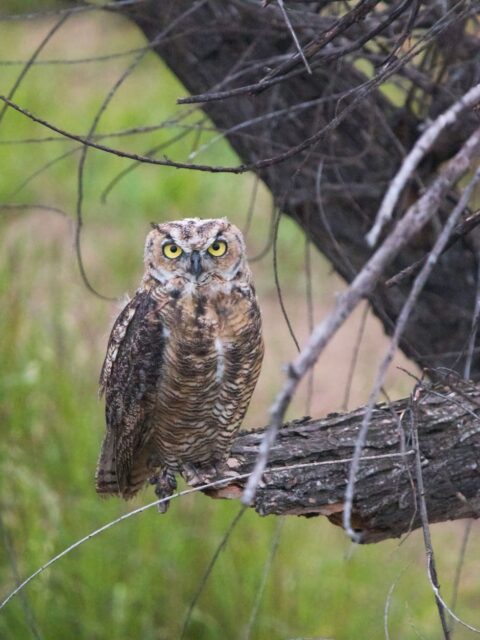
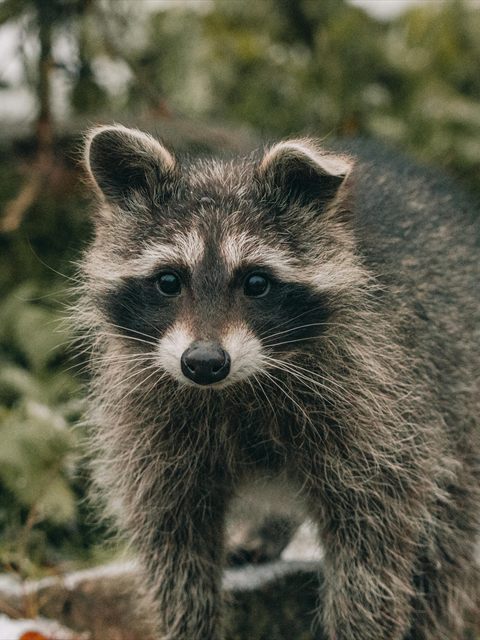
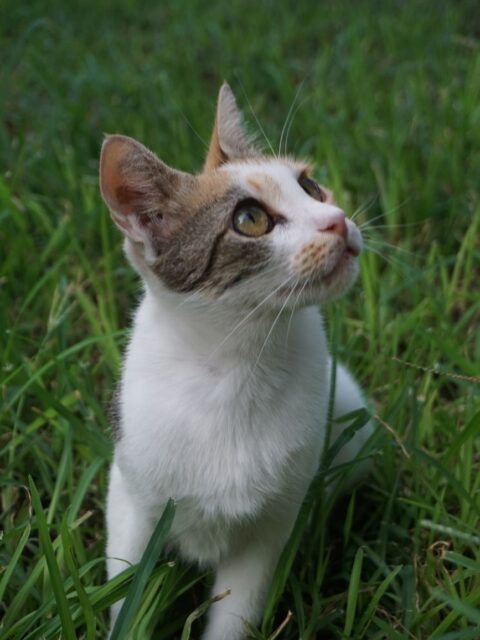
- Red-tailed Hawks, Cooper's Hawks, Great Horned Owls, raccoons, and domestic cats.
- Defense Mechanisms
- They rely on their ability to fly quickly and evade predators, often taking to the trees for safety.
- Found in Zoos
- Uncommon