


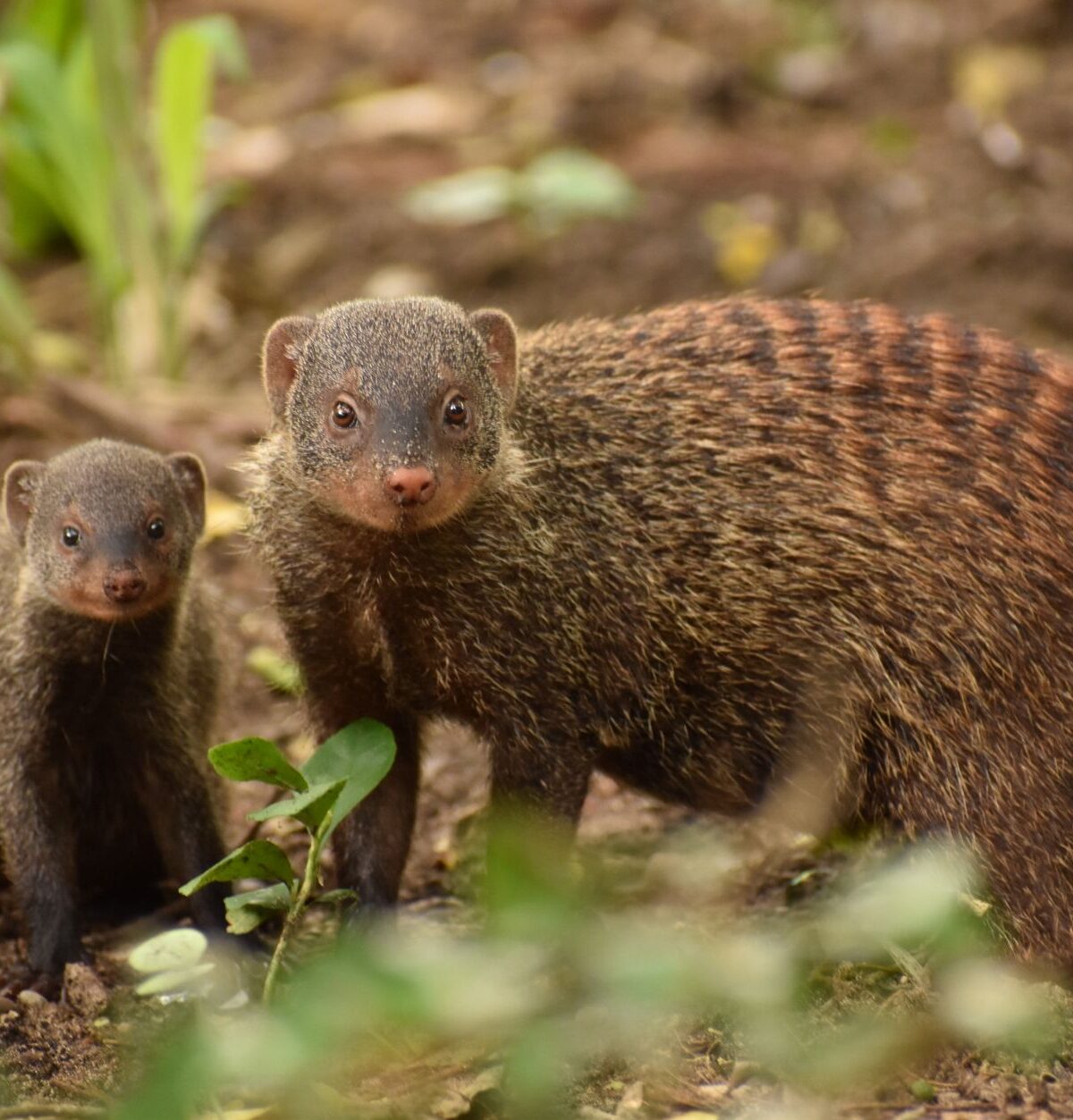
BANDED MONGOOSE
Mungos mungo
DESCRIPTION
Banded Mongoose is a small, social carnivore known for its distinctive banded coat, which features alternating dark and light stripes. These mongooses are highly social animals, often found in groups that can range from a few individuals to over 30. They exhibit complex social behaviors, including cooperative breeding and communal care of young, which enhances their survival in the wild.
FUN FACTS
- Banded Mongooses are known for their cooperative breeding behavior, where multiple females in a group may nurse and care for the young, increasing the survival rate of the offspring
- Additionally, they have a unique social structure that includes a dominant breeding pair, while other group members assist in foraging and protecting the young.|These mongooses are also famous for their ability to hunt and kill venomous snakes, showcasing their agility and teamwork
- They often work together to distract and overwhelm the snake, allowing them to safely consume it
QUICK INFO
Lifespan7-10 years in the wild, up to 15 years in captivit
Average Weight1.5-2.5 kg
Average Length40-60 cm
Diet TypeInsectivore
Social Structuregroup — Banded Mongooses live in social groups that exhibit cooperative behaviors.
Activity PatternDiurnal
Breeding SeasonYear-round, with peaks depending on local conditions
- Habitat
- Banded Mongooses inhabit a variety of environments, including savannas, grasslands, and open woodlands. They prefer areas with ample cover for foraging and burrowing.
- Biomes
- Savanna, Grassland
- Native Range
- Banded Mongooses are native to sub-Saharan Africa, where they are commonly found in various habitats across the region.
- Continent
- Africa
- Countries
- Botswana, Kenya, Tanzania, South Africa, Zimbabwe
- Diet
- Banded Mongooses primarily feed on insects, small vertebrates, and fruits. They are known to forage in groups, which increases their foraging efficiency.
- Diet Type
- Insectivore
- Favorite Food
- insects, small vertebrates
- Social Structure
- group — Banded Mongooses live in social groups that exhibit cooperative behaviors.
- Activity Pattern
- Diurnal
- Group Size
- 5-30
- Territorial
- 0
 EN
EN
 LC
LC
 VU
VU
 LC
LC
1.5-2.5 kg
Weight
40-60 cm
Length
- Coloration
- banded coat with alternating dark and light stripes
- Sexual Dimorphism
- males are generally larger than females
- Lifespan
- 7-10 years in the wild, up to 15 years in captivit
- Gestation Period
- 60-70 days
- Offspring per Birth
- 2-5
- Sexual Maturity
- 1-2 years
- Breeding Season
- Year-round, with peaks depending on local conditions
LC
Least Concern
IUCN Red List Status
- Population Status
- The population of Banded Mongooses is currently stable, with no major declines reported.
- Wild Population Estimate
- unknown
- Population Trend
- Stable
- Endangered
- 0
- Threats
- Banded Mongooses face threats from habitat loss and human encroachment. They are also vulnerable to predation by larger carnivores and domestic animals.
- Predators
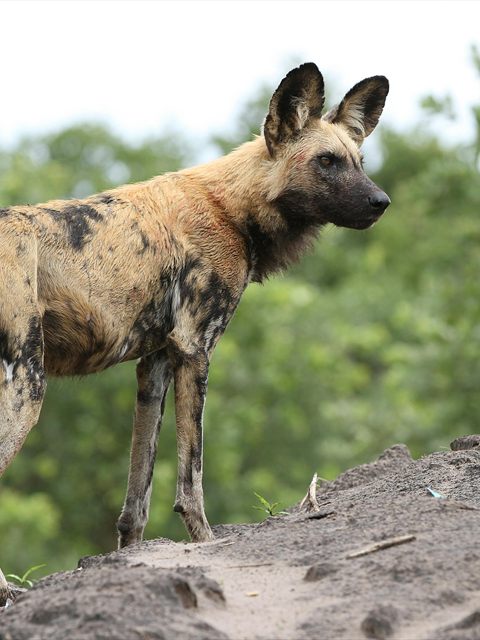
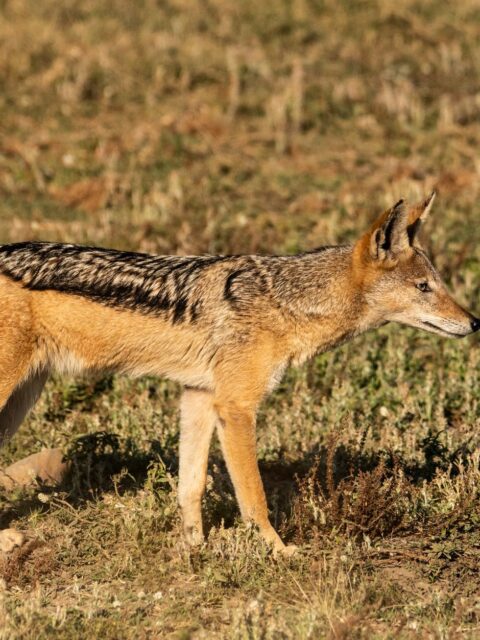
- African wild dogs, jackals, large birds of prey, snakes
- Defense Mechanisms
- Banded Mongooses use group vigilance and alarm calls to warn each other of predators. They may also engage in mobbing behavior to deter threats.
- Found in Zoos
- Common