



BANDIT FIJI IGUANA
DESCRIPTION
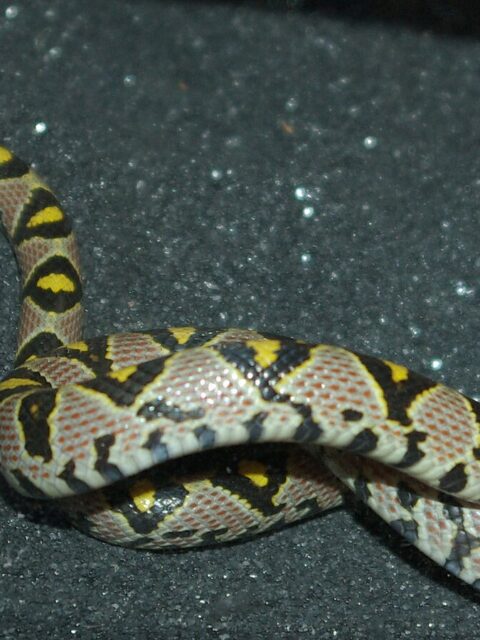
The Bandit Fiji Iguana, also known as Brachylophus vitiensis, is a medium-sized lizard characterized by its vibrant green coloration with distinctive dark bands across its body, giving it a bandit-like appearance. This species is primarily arboreal, spending much of its time in trees, where it can be seen basking in the sun or foraging for food. They are known for their calm demeanor but can become defensive if threatened, using their strong limbs to climb quickly to safety.
FUN FACTS
- The Bandit Fiji Iguana is known for its unique ability to change its color slightly based on its environment, which helps it camouflage from predators
- | These iguanas play a crucial role in their ecosystem by helping to disperse seeds through their diet, contributing to the health of their forest habitats
QUICK INFO
Lifespan10-15 years in the wild, up to 20 in captivity
Average Weight1-2 kg
Average Length0.5-1 m
Diet TypeHerbivore
Social Structuresolitary, occasionally seen in pairs during breeding
Activity PatternDiurnal
Breeding SeasonSpring (October-December)
- Habitat
- This iguana inhabits tropical forests and coastal vegetation, often found in areas with abundant foliage. They prefer humid environments where they can easily access their food sources and find shelter.
- Biomes
- Tropical Rainforest, Coastal
- Native Range
- The Bandit Fiji Iguana is native to the islands of Fiji, particularly on the islands of Viti Levu and Vanua Levu.
- Continent
- Oceania
- Countries
- Fiji
- Diet
- The Bandit Fiji Iguana primarily feeds on leaves, flowers, and fruits, making it a herbivore. They have a preference for young leaves and tender shoots, which provide essential nutrients.
- Diet Type
- Herbivore
- Favorite Food
- young leaves, flowers, fruits
- Social Structure
- solitary, occasionally seen in pairs during breeding
- Activity Pattern
- Diurnal
- Group Size
- 1-2
- Territorial
- 0
 LC
LC

 VU
VU
1-2 kg
Weight
0.5-1 m
Length
- Coloration
- vibrant green with dark bands
- Sexual Dimorphism
- males are generally larger than females
- Lifespan
- 10-15 years in the wild, up to 20 in captivity
- Offspring per Birth
- 2-4
- Sexual Maturity
- 2-3 years
- Breeding Season
- Spring (October-December)
EN
Endangered
IUCN Red List Status
- Population Status
- The population of Bandit Fiji Iguanas is currently declining due to habitat loss and predation.
- Wild Population Estimate
- unknown
- Population Trend
- Decreasing
- Endangered
- 1
- Threats
- Main threats include habitat destruction due to deforestation and invasive species such as rats and cats that prey on their eggs and young. Conservation efforts are needed to protect their natural habitats.
- Conservation Program
- Fiji's National Biodiversity Strategy and Action Plan includes measures to protect the Bandit Fiji Iguana.
- Predators
- rats, cats, birds of prey
- Defense Mechanisms
- When threatened, they can quickly climb trees to escape predators and may also use their coloration to blend into the foliage.
- Found in Zoos
- Uncommon