


BARBARY LION
Panthera leo leo
DESCRIPTION
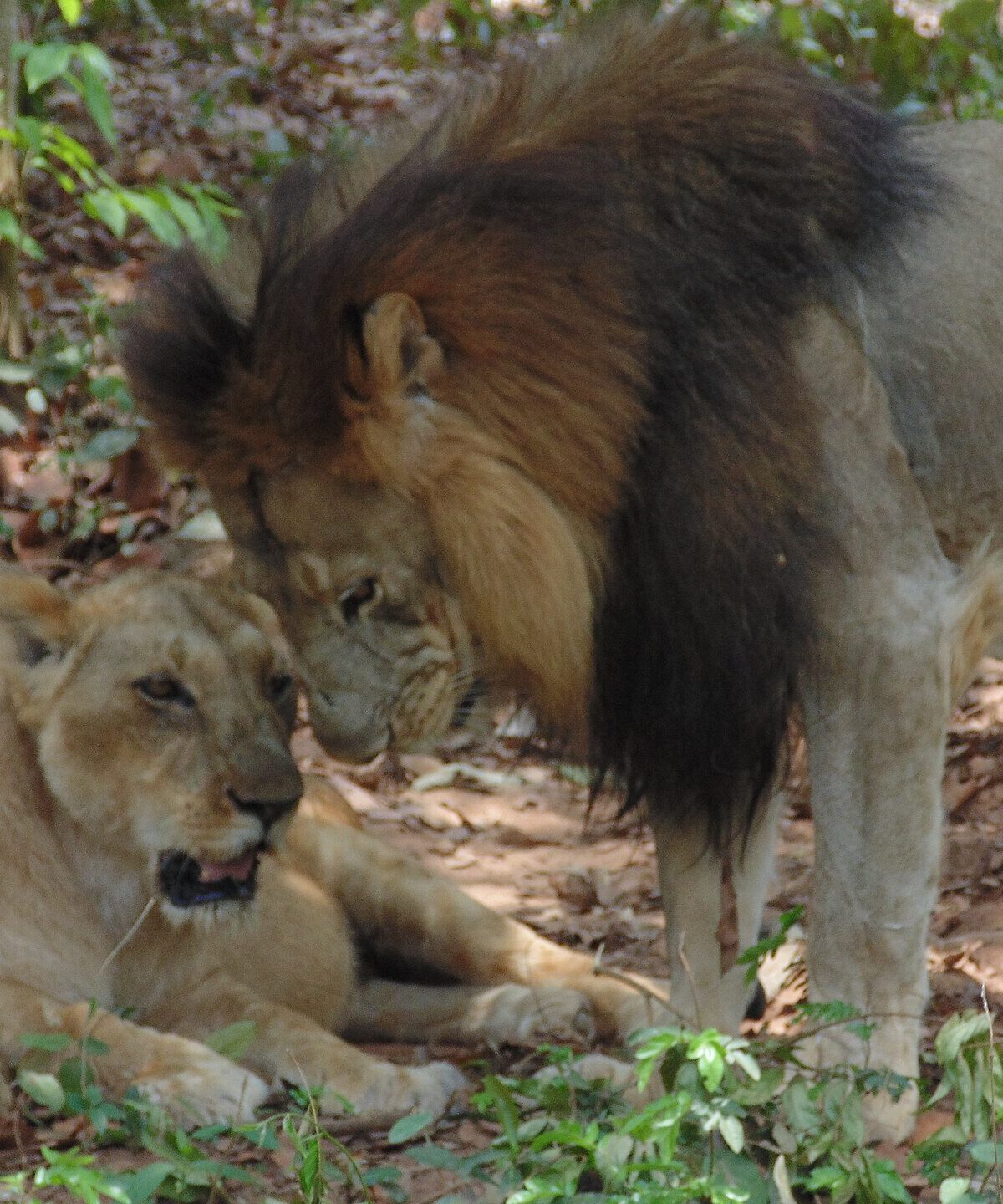
Barbary Lion (Panthera leo leo), also known as the Atlas Lion, is a subspecies of lion that once roamed the North African regions, particularly the Atlas Mountains. This majestic animal is characterized by its impressive mane, which is darker and fuller than that of other lion subspecies, giving it a regal appearance. Barbary Lions were known for their strength and social behavior, often living in prides, although they could also be solitary at times.
FUN FACTS
- Barbary Lions were once the most common lions in the Roman Empire, often used in gladiatorial games, showcasing their strength and ferocity
- | Unlike other lion subspecies, Barbary Lions had a unique genetic makeup that made them distinct, and they were known for their larger size and darker manes, which were highly prized in ancient cultures
QUICK INFO
Lifespan15-20 years in the wild, up to 30 in captivity
Average Weight150-250 kg
Average Length1.8-2.5 m
Diet TypeCarnivore
Social Structuregroup — typically live in prides consisting of several females and a few males.
Activity PatternNocturnal
Breeding SeasonYear-round
- Habitat
- Historically, Barbary Lions inhabited the mountainous and forested regions of North Africa. They preferred areas with ample cover for hunting and denning.
- Biomes
- Mediterranean, Forest, Grassland
- Native Range
- The native range of the Barbary Lion included the Atlas Mountains and surrounding areas in North Africa.
- Continent
- Africa
- Countries
- Morocco, Algeria, Tunisia, Libya
- Diet
- Barbary Lions are carnivorous and primarily hunt large ungulates. Their diet includes animals such as deer, wild boar, and other mammals.
- Diet Type
- Carnivore
- Favorite Food
- large ungulates
- Social Structure
- group — typically live in prides consisting of several females and a few males.
- Activity Pattern
- Nocturnal
- Group Size
- 3-15
- Territorial
- 1
150-250 kg
Weight
1.8-2.5 m
Length
- Coloration
- The coloration of Barbary Lions is generally a tawny yellow with a lighter underbelly, and males have a distinctive dark mane.
- Sexual Dimorphism
- Males are larger and have a prominent mane, while females are smaller and lack a mane.
- Lifespan
- 15-20 years in the wild, up to 30 in captivity
- Gestation Period
- 110 days
- Offspring per Birth
- 1-4
- Sexual Maturity
- 3-4 years
- Breeding Season
- Year-round
EX
Extinct
IUCN Red List Status
- Population Status
- The Barbary Lion is considered extinct in the wild, with only a few individuals remaining in captivity.
- Wild Population Estimate
- 0
- Population Trend
- Decreasing
- Endangered
- 1
- Threats
- Main threats to the Barbary Lion included habitat loss, hunting, and competition with humans for resources. The decline in their prey species also contributed to their extinction in the wild.
- Defense Mechanisms
- Barbary Lions rely on their strength, social structure, and vocalizations to defend their territory and pride.
- Found in Zoos
- Rare