



BARNACLE GOOSE
Branta leucopsis
DESCRIPTION
The Barnacle Goose (Branta leucopsis) is a medium-sized waterfowl characterized by its striking black head and neck, white face, and grayish-brown body. This species is known for its migratory behavior, traveling long distances between breeding and wintering grounds. Barnacle Geese are often found in large flocks, displaying social behaviors that include synchronized movements and vocalizations during flight.
FUN FACTS
- Barnacle Geese are known for their unique migratory patterns, traveling thousands of kilometers from their breeding grounds in the Arctic to wintering areas in Europe
- They are also fascinating for their vocalizations, which include a variety of honks and calls that help maintain group cohesion during migration
- | Interestingly, Barnacle Geese were once thought to hatch from barnacles, leading to their name
- This misconception arose from their unusual breeding habits, as they nest in remote areas away from human observation, making their life cycle a mystery for centuries
QUICK INFO
Lifespan10-15 years in the wild
Average Weight1.5-2.5 kg
Average Length65-75 cm
Diet TypeHerbivore
Social StructureThey are typically found in groups, often forming large flocks during migration and feeding.
Activity PatternDiurnal
Breeding SeasonSpring (April-June)
- Habitat
- Barnacle Geese inhabit coastal areas, tundra, and grasslands, often near water bodies. They prefer habitats that provide ample grazing opportunities and nesting sites.
- Biomes
- Tundra, Temperate Grassland, Coastal
- Native Range
- Barnacle Geese are native to the Arctic regions of Europe and North America, with breeding populations found in Greenland, Svalbard, and parts of northern Russia.
- Continent
- Europe, North America
- Countries
- Greenland, Norway, Russia, Canada, United Kingdom
- Diet
- Barnacle Geese primarily graze on grasses, sedges, and other herbaceous plants. They are known to feed in agricultural fields, particularly those with young grass shoots.
- Diet Type
- Herbivore
- Favorite Food
- grasses, sedges
- Social Structure
- They are typically found in groups, often forming large flocks during migration and feeding.
- Activity Pattern
- Diurnal
- Group Size
- 50-200
- Territorial
- 0
 LC
LC
 VU
VU
1.5-2.5 kg
Weight
65-75 cm
Length
- Coloration
- Black head and neck, white face, grayish-brown body
- Lifespan
- 10-15 years in the wild
- Offspring per Birth
- 3-6
- Sexual Maturity
- 2-3 years
- Breeding Season
- Spring (April-June)
LC
Least Concern
IUCN Red List Status
- Population Status
- The population of Barnacle Geese is currently stable, with some populations increasing due to conservation efforts.
- Wild Population Estimate
- 200,000-300,000
- Population Trend
- Increasing
- Endangered
- 0
- Threats
- Main threats include habitat loss due to agricultural expansion and climate change, which affects their breeding and feeding grounds. Additionally, hunting in some regions poses a risk to their populations.
- Conservation Program
- Various conservation programs are in place to protect their habitats and manage hunting.
- Predators
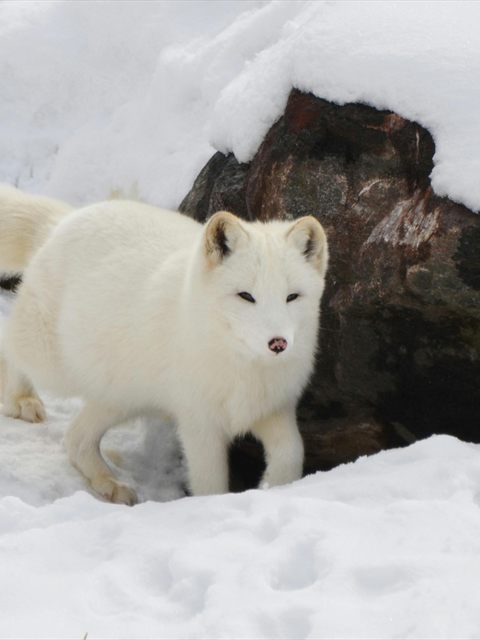
- Arctic foxes, large birds of prey, and humans are known predators of Barnacle Geese, particularly during the nesting season.
- Defense Mechanisms
- Barnacle Geese use their strong flight abilities to escape predators and often nest in inaccessible locations to avoid predation.
- Compatible Animals
- Other waterfowl species, such as ducks and swans, are commonly kept with Barnacle Geese in zoos.
- Found in Zoos
- Common