


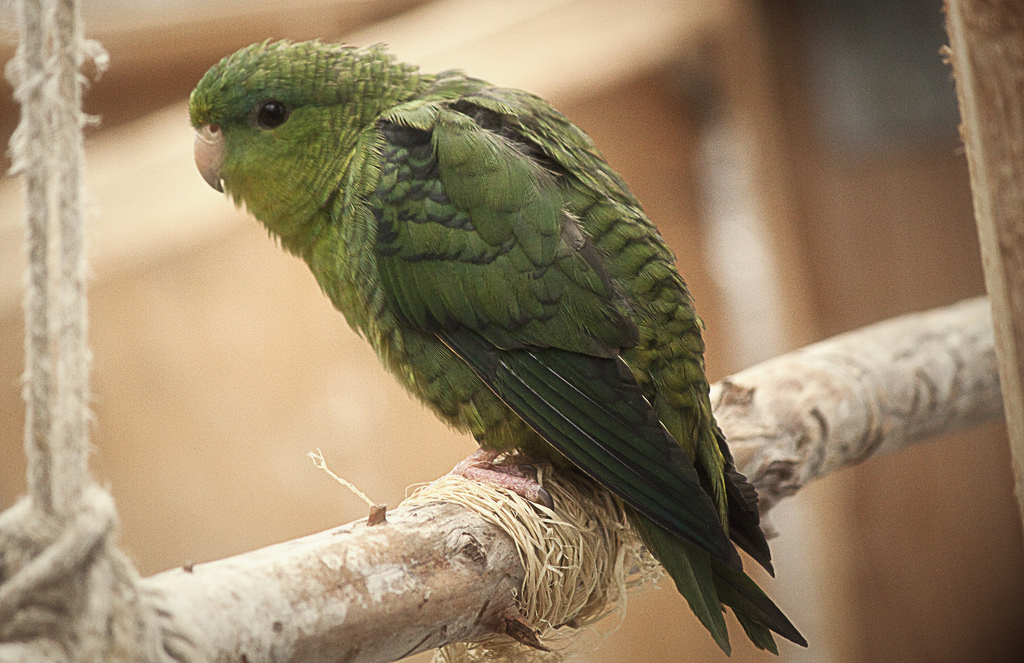
BARRED PARAKEET
Bolborhynchus lineola
DESCRIPTION
Barred Parakeet (Bolborhynchus lineola) is also known as the Lineolated Parakeet, characterized by its distinctive barred plumage that features green and yellow hues. This small parakeet exhibits a sociable nature, often found in flocks, and is known for its playful behavior and vocalizations. In the wild, they inhabit forested areas and are often seen foraging in trees and shrubs.
FUN FACTS
- Barred Parakeets are known for their playful and curious nature, often engaging in acrobatic displays and vocal mimicry, which makes them popular pets
- They have a unique ability to learn and mimic sounds, including human speech, which adds to their charm as companion birds.|In the wild, Barred Parakeets are often seen foraging in flocks, which not only helps them find food more efficiently but also provides safety in numbers against potential predators
QUICK INFO
Lifespan10-15 years in the wild, up to 20 years in captivi
Average Weight50-70 g
Average Length18-20 cm
Diet TypeHerbivore
Social Structuregroup — they are typically found in flocks, which helps them in foraging and avoiding predators.
Activity PatternDiurnal
Breeding SeasonSpring to early summer
- Habitat
- These parakeets thrive in subtropical and tropical forests, often favoring areas with dense foliage. They are also found in open woodlands and shrubby regions.
- Biomes
- Tropical Rainforest, Subtropical Forest
- Native Range
- Barred Parakeets are native to the forests of South America, particularly in countries like Bolivia, Brazil, and Paraguay.
- Continent
- South America
- Countries
- Bolivia, Brazil, Paraguay
- Diet
- Barred Parakeets primarily feed on seeds, fruits, and vegetables, showing a preference for soft foods. They are known to forage in the canopy for various plant materials.
- Diet Type
- Herbivore
- Favorite Food
- seeds, fruits, vegetables
- Social Structure
- group — they are typically found in flocks, which helps them in foraging and avoiding predators.
- Activity Pattern
- Diurnal
- Group Size
- 5-30
- Territorial
- 0
 LC
LC
50-70 g
Weight
18-20 cm
Length
- Coloration
- They have a vibrant green body with yellow and black barring on the wings and back.
- Sexual Dimorphism
- Males and females are similar in appearance, making it difficult to distinguish between the sexes.
- Lifespan
- 10-15 years in the wild, up to 20 years in captivi
- Offspring per Birth
- 3-6
- Sexual Maturity
- 6-12 months
- Breeding Season
- Spring to early summer
LC
Least Concern
IUCN Red List Status
- Population Status
- The population of Barred Parakeets is currently stable, but habitat loss poses a potential threat.
- Wild Population Estimate
- Unknown
- Population Trend
- Stable
- Endangered
- 0
- Threats
- The main threats to Barred Parakeets include habitat destruction due to deforestation and the pet trade. These factors can lead to localized declines in their populations.
- Predators
- Predators include birds of prey, snakes, and larger mammals that may prey on their nests.
- Defense Mechanisms
- They rely on their social structure and flocking behavior to evade predators, often using alarm calls to warn others.
- Compatible Animals
- other small parakeets, finches, canaries
- Found in Zoos
- Common