


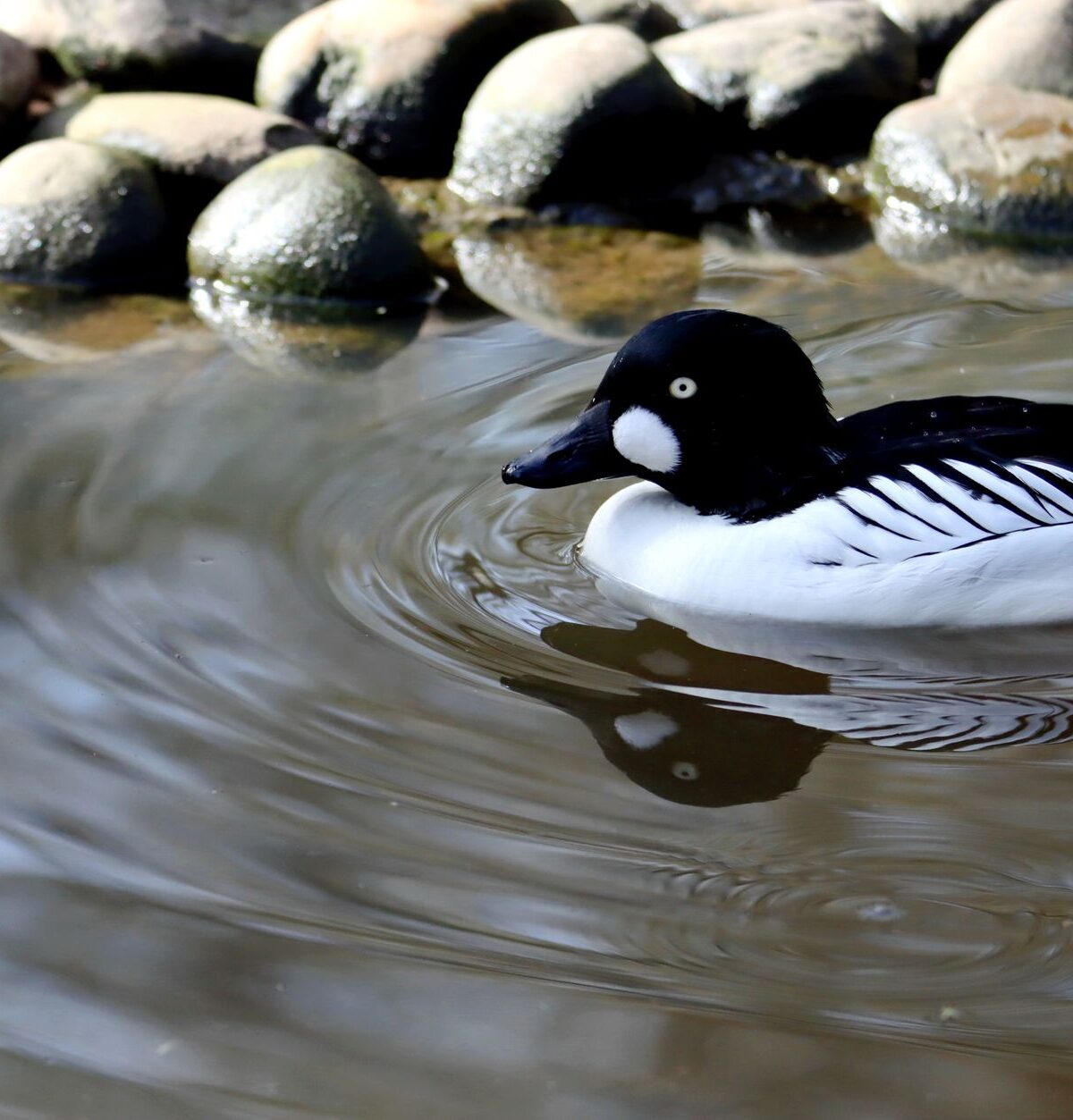
BARROW'S GOLDENEYE
DESCRIPTION
Barrow's Goldeneye is a medium-sized diving duck known for its striking appearance, featuring a distinctive black head with a greenish sheen and a prominent white crescent-shaped patch in front of its eyes. Males are particularly notable for their bold coloration, while females are more subdued with a brownish body and a lighter head. This species is often found in freshwater lakes and rivers, where it dives to forage for food, showcasing its adept swimming and diving abilities.
FUN FACTS
- Barrow's Goldeneye is named after the 19th-century naturalist Sir John Barrow, who contributed significantly to the study of Arctic wildlife
- | These ducks are known for their unique courtship displays, where males perform elaborate head-bobbing and whistling calls to attract females during the breeding season
QUICK INFO
Lifespan10-15 years in the wild
Average Weight0.7-1.2 kg
Average Length40-50 cm
Diet TypePiscivore
Social Structurepair, often seen in small groups outside of the breeding season
Activity PatternDiurnal
Breeding SeasonSpring (April-June)
- Habitat
- Barrow's Goldeneye prefers clear, cold freshwater lakes and rivers, particularly those with abundant aquatic vegetation. They are also found in coastal marine environments during the winter months.
- Biomes
- Freshwater, Marine
- Native Range
- Barrow's Goldeneye breeds in North America, primarily in Canada and parts of the northern United States, and migrates to coastal areas of the Pacific and Atlantic Oceans during winter.
- Continent
- North America
- Countries
- Canada, United States
- Diet
- Barrow's Goldeneye primarily feeds on aquatic invertebrates and small fish, diving underwater to catch its prey. They are known to forage in both freshwater and marine environments.
- Diet Type
- Piscivore
- Favorite Food
- aquatic invertebrates, small fish
- Social Structure
- pair, often seen in small groups outside of the breeding season
- Activity Pattern
- Diurnal
- Group Size
- 2-10
- Territorial
- 1
 LC
LC
 LC
LC
0.7-1.2 kg
Weight
40-50 cm
Length
- Coloration
- males have a black head with a green sheen, white body, and a distinctive white patch; females are brown with a lighter head
- Sexual Dimorphism
- males are more brightly colored than females
- Lifespan
- 10-15 years in the wild
- Offspring per Birth
- 5-10
- Sexual Maturity
- 1-2 years
- Breeding Season
- Spring (April-June)
LC
Least Concern
IUCN Red List Status
- Population Status
- The population of Barrow's Goldeneye is currently stable, though habitat loss poses a potential threat.
- Wild Population Estimate
- 50,000-100,000
- Population Trend
- Stable
- Endangered
- 0
- Threats
- Main threats include habitat destruction due to development and pollution, as well as climate change affecting their breeding grounds. Additionally, hunting can impact local populations.
- Predators
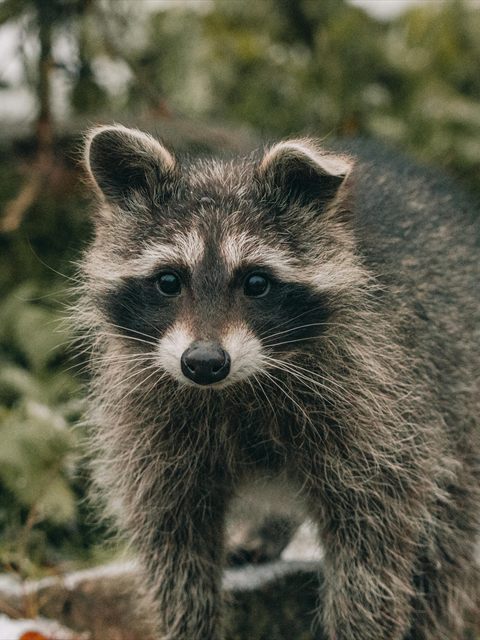
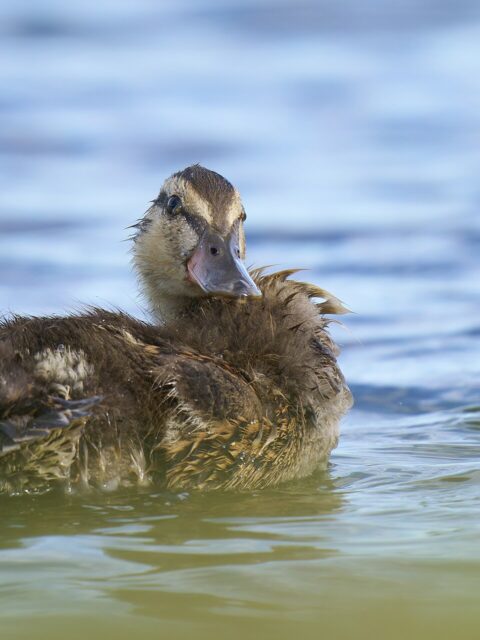
- Common predators include foxes, raccoons, and various birds of prey, which may target eggs and young ducklings.
- Defense Mechanisms
- Barrow's Goldeneye often relies on their ability to dive quickly to escape predators.
- Found in Zoos
- Uncommon