


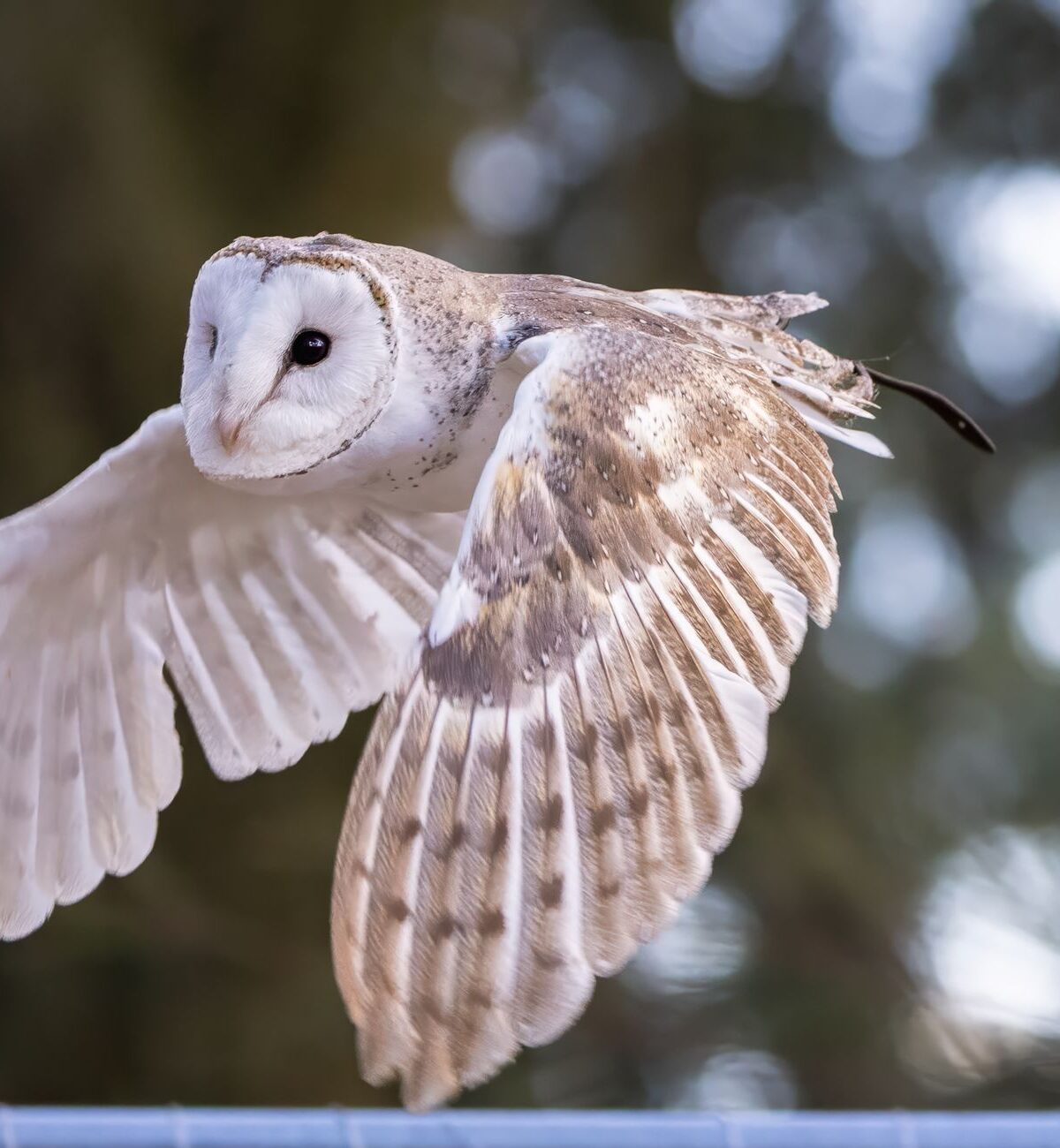
BART OWL
DESCRIPTION
Also called the Barn Owl, Bart Owl is a medium-sized owl known for its distinctive heart-shaped face and long wings. Its plumage is typically a mix of white and brown, providing excellent camouflage in its natural habitat. Bart Owls are primarily nocturnal hunters, using their exceptional hearing to locate prey in the dark, and they are known for their silent flight, which aids in stealthy hunting.
FUN FACTS
- Bart Owls have a unique ability to locate prey in complete darkness, thanks to their exceptional hearing and specialized facial structure that helps funnel sound
- They can rotate their heads up to 270 degrees, allowing them to see in all directions without moving their bodies.| The heart-shaped face of the Bart Owl is not just for show; it plays a crucial role in their hunting strategy by enhancing their hearing capabilities, making them one of the most efficient nocturnal hunters in the animal kingdom
QUICK INFO
Lifespan4-5 years in the wild, up to 10 years in captivity
Average Weight300-600 g
Average Length30-40 cm
Diet TypeCarnivore
Social Structuresolitary, typically roosts alone or in pairs outside of breeding season
Activity PatternNocturnal
Breeding SeasonSpring to early summer
- Habitat
- Bart Owls are commonly found in open habitats such as grasslands, farmlands, and marshes, often nesting in old barns or tree cavities. They prefer areas with abundant prey and minimal disturbance from human activity.
- Biomes
- Grassland, Agricultural, Wetland
- Native Range
- Bart Owls are found across much of the world, including North America, Europe, Asia, and Australia.
- Continent
- North America, Europe, Asia, Australia
- Countries
- United States, Canada, United Kingdom, Australia, various countries in Europe and Asia
- Diet
- Bart Owls primarily feed on small mammals, particularly rodents, but they may also consume birds and insects. Their hunting strategy involves gliding silently over open fields to spot and capture prey.
- Diet Type
- Carnivore
- Favorite Food
- Rodents
- Social Structure
- solitary, typically roosts alone or in pairs outside of breeding season
- Activity Pattern
- Nocturnal
- Group Size
- 1-2
- Territorial
- 1
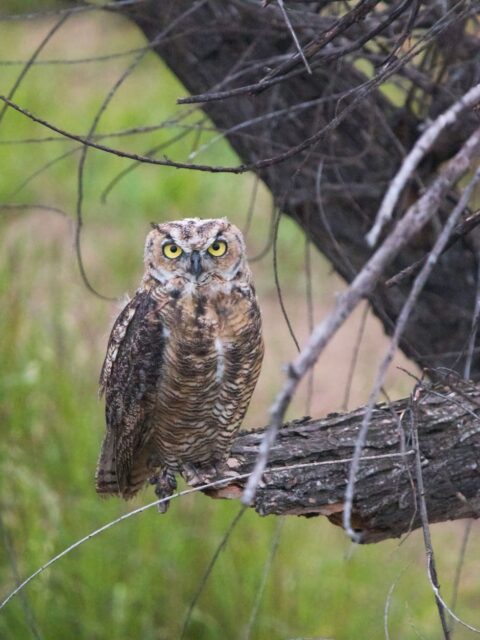 LC
LC
300-600 g
Weight
30-40 cm
Length
- Coloration
- Predominantly white with brown and gray mottling
- Sexual Dimorphism
- Males are generally smaller and have lighter plumage than females.
- Lifespan
- 4-5 years in the wild, up to 10 years in captivity
- Offspring per Birth
- 3-7
- Sexual Maturity
- 1 year
- Breeding Season
- Spring to early summer
LC
Least Concern
IUCN Red List Status
- Population Status
- The population of Bart Owls is currently stable in many areas, although they face threats in some regions.
- Wild Population Estimate
- 1,000,000+
- Population Trend
- Stable
- Endangered
- 0
- Threats
- Main threats to Bart Owls include habitat loss due to agricultural expansion and pesticide use, which reduces their prey availability. Additionally, collisions with vehicles and buildings pose risks to their survival.
- Predators
- Great Horned Owls, larger birds of prey, and some mammals may prey on Bart Owls, particularly on their eggs and young.
- Defense Mechanisms
- Bart Owls rely on their camouflage and silent flight to avoid detection by predators.
- Found in Zoos
- Common