


BEARDED PIG
Sus barbatus
DESCRIPTION
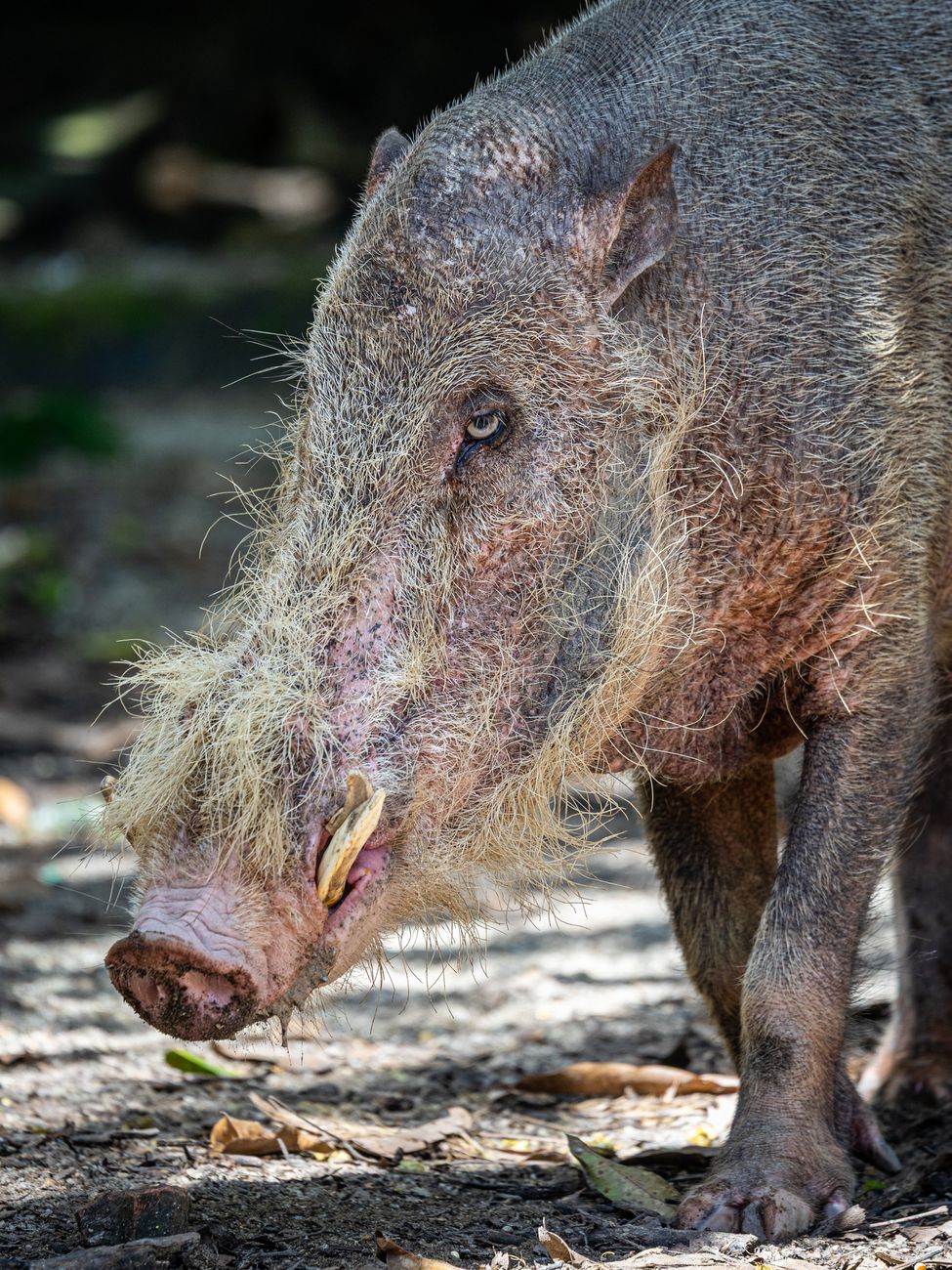
Bearded Pig (Sus barbatus) is commonly known as the Bornean Bearded Pig and the Philippine Bearded Pig. This species is characterized by its distinctive long, bristly hair and a prominent beard-like tuft of hair on its chin. Bearded pigs are social animals, often found in small groups, and they play a crucial role in their ecosystem as seed dispersers.
FUN FACTS
- Bearded pigs have a unique adaptation that allows them to thrive in their forest habitats; they are excellent diggers and can uproot plants to find food
- Additionally, they play a vital ecological role as seed dispersers, helping to maintain the health of their forest ecosystems by spreading seeds through their foraging activities
QUICK INFO
Lifespan10-15 years in the wild, up to 20 in captivity
Average Weight50-150 kg
Average Length1.2-1.8 m
Diet TypeOmnivore
Social Structuregroup — they typically live in small family groups consisting of females and their young.
Activity PatternDiurnal
Breeding SeasonYear-round, with peaks depending on local conditions
- Habitat
- Bearded pigs inhabit tropical rainforests and mangrove swamps, where they can find ample food and cover. They prefer areas with dense vegetation that provide both foraging opportunities and protection from predators.
- Biomes
- Tropical Rainforest, Mangrove
- Native Range
- Bearded pigs are native to the islands of Borneo and the Philippines.
- Continent
- Asia
- Countries
- Malaysia, Indonesia, Philippines
- Diet
- Bearded pigs are omnivorous, feeding on a variety of plant materials, fruits, and small animals. They are known to forage for roots, tubers, and fallen fruits in their natural habitat.
- Diet Type
- Omnivore
- Favorite Food
- fruits, roots, tubers
- Social Structure
- group — they typically live in small family groups consisting of females and their young.
- Activity Pattern
- Diurnal
- Group Size
- 5-15
- Territorial
- 0
 VU
VU
50-150 kg
Weight
1.2-1.8 m
Length
- Coloration
- dark brown to black with lighter underparts and a distinctive beard
- Sexual Dimorphism
- males are generally larger and have more pronounced beards than females
- Lifespan
- 10-15 years in the wild, up to 20 in captivity
- Gestation Period
- 110 days
- Offspring per Birth
- 1-4
- Sexual Maturity
- 2-3 years
- Breeding Season
- Year-round, with peaks depending on local conditions
VU
Vulnerable
IUCN Red List Status
- Population Status
- The population of Bearded Pigs is currently declining due to habitat loss and hunting.
- Wild Population Estimate
- 10,000-20,000
- Population Trend
- Decreasing
- Endangered
- 1
- Threats
- Main threats to Bearded Pigs include habitat destruction due to logging and agriculture, as well as hunting for bushmeat. These pressures have led to significant declines in their populations across their range.
- Predators
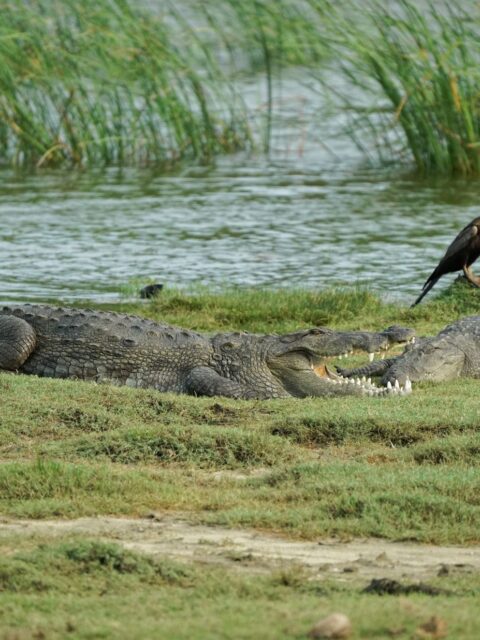
- Humans, large carnivores such as tigers and crocodiles
- Defense Mechanisms
- Bearded pigs rely on their agility and dense forest cover to evade predators, often using their strong sense of smell to detect danger.
- Found in Zoos
- Uncommon