


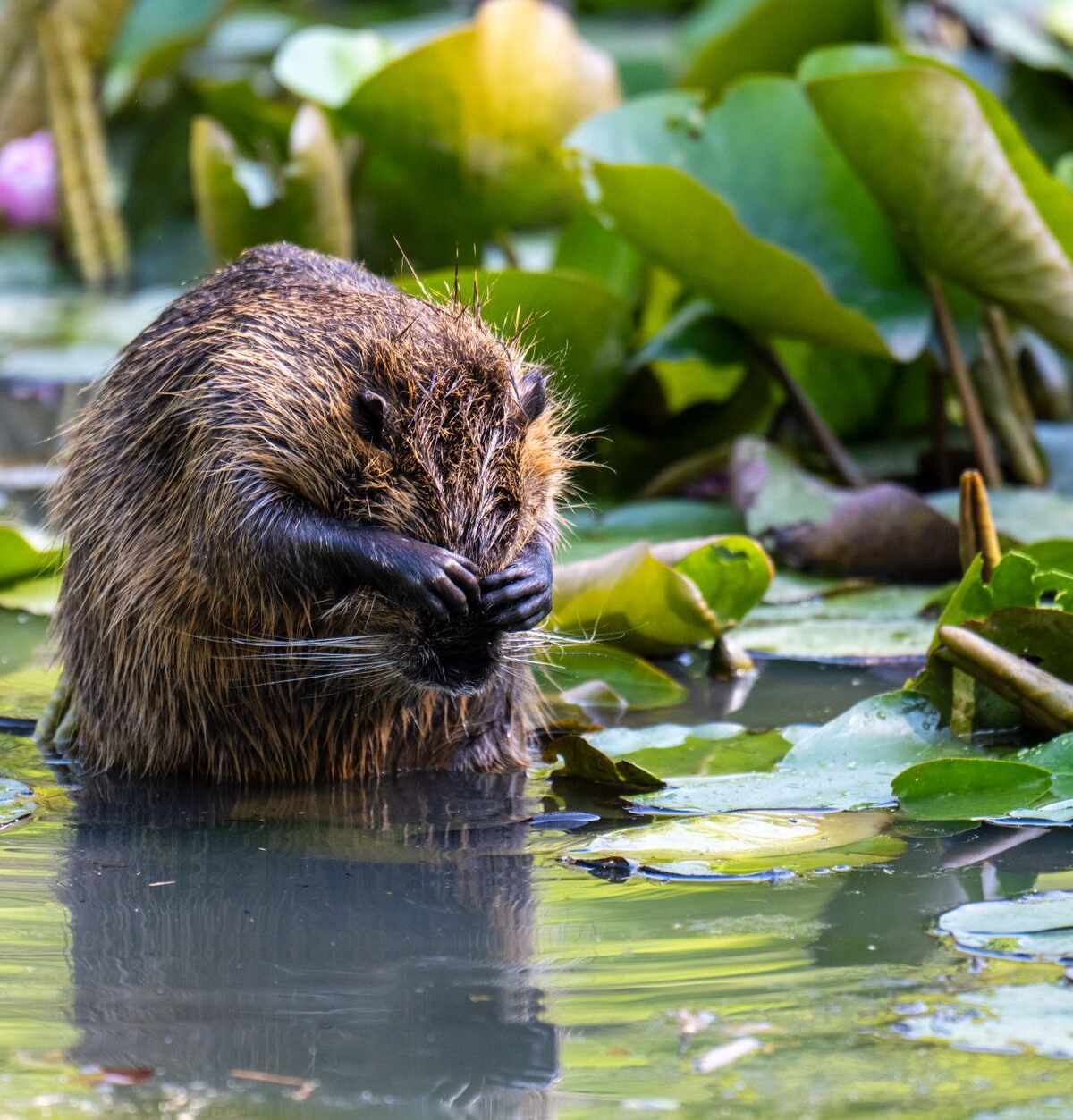
BEAVER
DESCRIPTION
Beaver is commonly known as the North American Beaver and the European Beaver. These large, semi-aquatic rodents are characterized by their robust bodies, webbed feet, and flat, paddle-shaped tails. They are known for their remarkable ability to construct dams and lodges using branches, mud, and other materials, which create ponds that provide habitat for various aquatic species.
FUN FACTS
- Beavers are known as nature's engineers due to their ability to alter landscapes by building dams that create wetlands, which benefit many other species
- | A beaver's teeth never stop growing, which is why they constantly gnaw on wood to keep them from becoming too long
QUICK INFO
Lifespan10-12 years in the wild, up to 20 years in captivi
Average Weight16-30 kg
Average Length0.9-1.2 m
Diet TypeHerbivore
Social Structurepair, family groups consisting of a breeding pair and their young
Activity PatternNocturnal
Breeding SeasonWinter (December-February)
- Habitat
- Beavers inhabit freshwater ecosystems, including rivers, streams, ponds, and lakes. They prefer areas with abundant vegetation and suitable building materials for their dams and lodges.
- Biomes
- Temperate Forest, Wetlands
- Native Range
- Beavers are native to North America, Europe, and parts of Asia.
- Continent
- North America, Europe, Asia
- Countries
- United States, Canada, Russia, Norway, Sweden, Finland
- Diet
- Beavers primarily feed on the bark, leaves, and twigs of trees and shrubs, as well as aquatic plants. They are known to favor species such as aspen, willow, and birch.
- Diet Type
- Herbivore
- Favorite Food
- Aspen, willow, birch
- Social Structure
- pair, family groups consisting of a breeding pair and their young
- Activity Pattern
- Nocturnal
- Group Size
- 3-8
- Territorial
- 1
 LC
LC
 LC
LC
16-30 kg
Weight
0.9-1.2 m
Length
- Coloration
- Brown fur with a dense undercoat, lighter underbelly
- Sexual Dimorphism
- Males and females are similar in size and appearance.
- Lifespan
- 10-12 years in the wild, up to 20 years in captivi
- Gestation Period
- 105-107 days
- Offspring per Birth
- 1-6
- Sexual Maturity
- 2-3 years
- Breeding Season
- Winter (December-February)
LC
Least Concern
IUCN Red List Status
- Population Status
- Beaver populations are generally stable and have rebounded in many areas due to conservation efforts.
- Wild Population Estimate
- 6 million
- Population Trend
- Stable
- Endangered
- 0
- Threats
- Main threats to beavers include habitat destruction, pollution, and hunting. While they are not currently endangered, their populations can be affected by changes in land use and water management.
- Predators
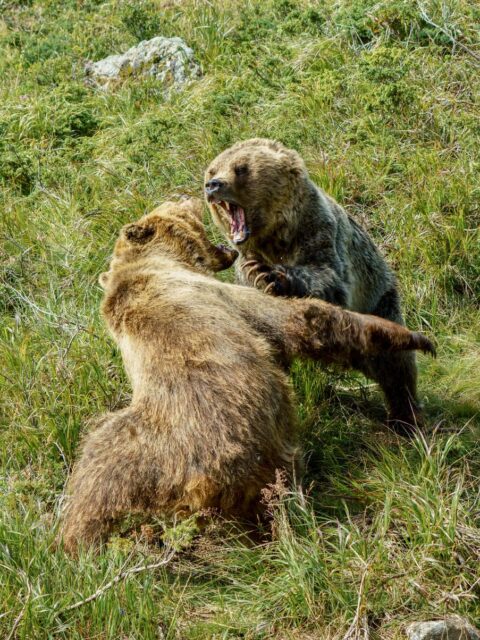
- Wolves, coyotes, bears, and humans are the primary predators of beavers.
- Defense Mechanisms
- Beavers use their strong teeth to gnaw on trees and can also use their tails to slap the water, creating a warning signal for other beavers.
- Compatible Animals
- None
- Found in Zoos
- Common