


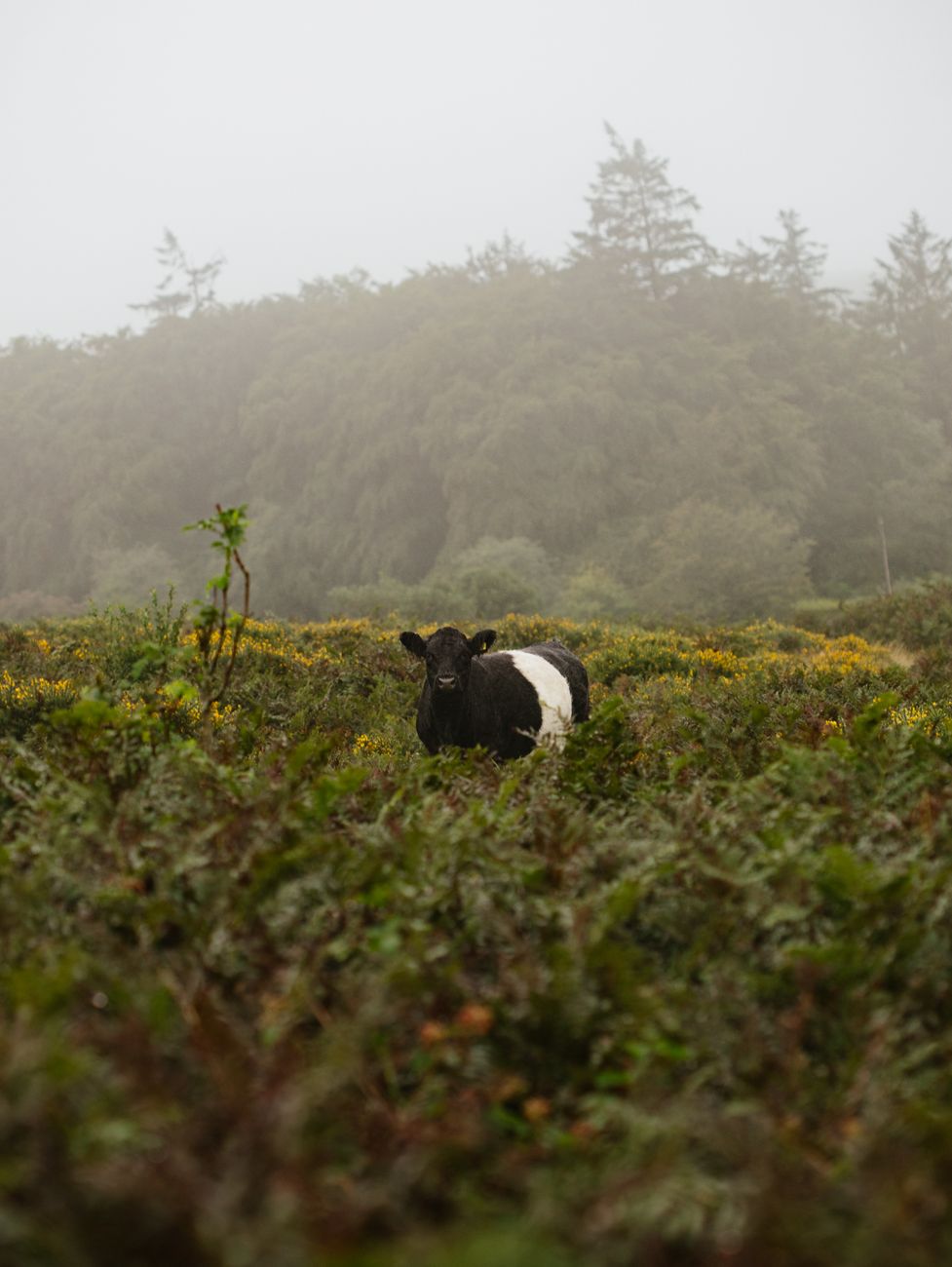
BELTED GALLOWAY
DESCRIPTION
Belted Galloway is commonly known as the Oreo cow due to its distinctive white belt around its midsection, contrasting with its black or red coat. This breed of cattle is known for its hardiness and adaptability to various climates, making it a popular choice for grazing in rugged terrains. They are generally calm and docile, exhibiting a gentle demeanor, which makes them suitable for both farming and conservation grazing.
FUN FACTS
- Belted Galloway cattle are known for their unique appearance, which has made them a favorite among farmers and cattle enthusiasts alike
- Their thick, curly coats provide insulation against cold weather, allowing them to thrive in harsh climates
- | The breed is also recognized for its high-quality beef, which is leaner and has a distinct flavor compared to other cattle breeds
- This has led to a resurgence in interest for sustainable farming practices that include Belted Galloway cattle
QUICK INFO
Lifespan15-20 years in wild, up to 25 in captivity
Average Weight450-800 kg
Average Length2.0-2.5 m
Diet TypeHerbivore
Social Structuregroup — they typically live in herds, which can vary in size.
Activity PatternDiurnal
Breeding SeasonYear-round
- Habitat
- Belted Galloway cattle are typically found in pastures and grasslands, often in hilly or mountainous regions. They are well-suited to both temperate and cooler climates.
- Biomes
- Grassland, Temperate Forest
- Native Range
- Originally from Scotland, they are now found in various countries around the world due to their adaptability.
- Continent
- Europe, North America
- Countries
- Scotland, United States, Canada, Australia
- Diet
- Belted Galloway primarily feeds on grasses, herbs, and other vegetation. They are efficient grazers and can thrive on poorer quality forage compared to other cattle breeds.
- Diet Type
- Herbivore
- Favorite Food
- grasses, herbs
- Social Structure
- group — they typically live in herds, which can vary in size.
- Activity Pattern
- Diurnal
- Group Size
- 5-30
- Territorial
- 0
450-800 kg
Weight
2.0-2.5 m
Length
1.2 m at shoulder
Height (Shoulder)
- Coloration
- black or red with a distinctive white belt
- Sexual Dimorphism
- males are generally larger than females
- Lifespan
- 15-20 years in wild, up to 25 in captivity
- Gestation Period
- 280 days
- Offspring per Birth
- 1
- Sexual Maturity
- 1-2 years
- Breeding Season
- Year-round
LC
Least Concern
IUCN Red List Status
- Population Status
- The population of Belted Galloway is stable, with a growing interest in the breed for sustainable farming.
- Wild Population Estimate
- unknown
- Population Trend
- Stable
- Endangered
- 0
- Threats
- Main threats include habitat loss and competition with other livestock. However, they are generally not considered endangered.
- Predators
- humans, large carnivores in some regions
- Defense Mechanisms
- They rely on their size and herd behavior for protection against predators.
- Compatible Animals
- sheep, goats
- Found in Zoos
- Rare