


BENGAL SLOW LORIS
Nycticebus bengalensis
DESCRIPTION
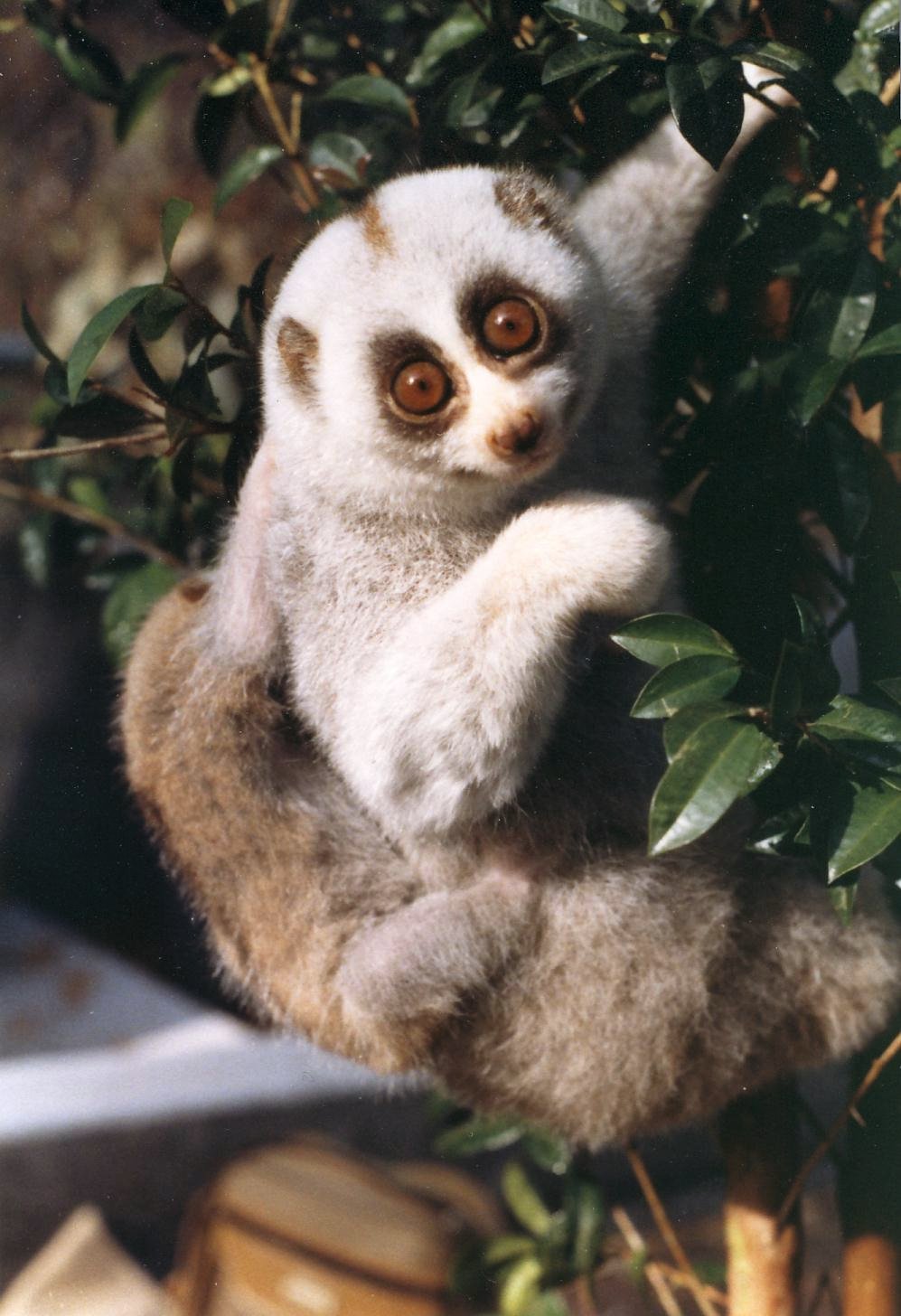
Bengal Slow Loris (Nycticebus bengalensis) is a small, nocturnal primate characterized by its large, round eyes and a distinctive slow, deliberate movement. Its fur is dense and soft, typically exhibiting a mix of gray and brown colors with lighter underparts, which helps it blend into its forested habitat. This species is known for its unique behavior of using its strong grip to navigate through trees and its ability to produce a toxic secretion from its elbow glands, which it can apply to its fur for defense.
FUN FACTS
- Bengal Slow Loris has a unique ability to produce a toxin from its elbow glands, which it can lick and apply to its fur, making it unpalatable to predators
- This fascinating adaptation not only serves as a defense mechanism but also plays a role in their mating rituals, as the toxin can be attractive to potential mates
- | Despite their slow movements, Bengal Slow Loris can leap between branches with surprising agility when necessary, showcasing their adaptability in navigating their arboreal environment
- Their large eyes are specially adapted for night vision, allowing them to see well in low-light conditions, which is crucial for their nocturnal lifestyle
QUICK INFO
Lifespan10-15 years in the wild, up to 20 years in captivi
Average Weight1.5-2.5 kg
Average Length25-38 cm
Diet TypeOmnivore
Social StructureSolitary, though they may occasionally be seen in pairs during mating season.
Activity PatternNocturnal
Breeding SeasonYear-round, with peaks during certain months depending on the region.
- Habitat
- This species inhabits tropical and subtropical forests, often found in dense vegetation where it can easily camouflage. They prefer areas with abundant tree cover for foraging and nesting.
- Biomes
- Tropical Rainforest, Subtropical Forest
- Native Range
- Bengal Slow Loris is native to Southeast Asia, particularly found in regions of India, Bangladesh, Myanmar, and parts of Thailand.
- Continent
- Asia
- Countries
- India, Bangladesh, Myanmar, Thailand
- Diet
- Bengal Slow Loris primarily feeds on a variety of fruits, insects, and small animals, showcasing its omnivorous diet. It has a particular preference for nectar and gum from trees.
- Diet Type
- Omnivore
- Favorite Food
- fruits, insects, tree gum
- Social Structure
- Solitary, though they may occasionally be seen in pairs during mating season.
- Activity Pattern
- Nocturnal
- Group Size
- 1-2
- Territorial
- 1
 VU
VU
 LC
LC
1.5-2.5 kg
Weight
25-38 cm
Length
- Coloration
- Gray to brown fur with lighter underparts and large, expressive eyes.
- Lifespan
- 10-15 years in the wild, up to 20 years in captivi
- Gestation Period
- 180 days
- Offspring per Birth
- 1-2
- Sexual Maturity
- 2-3 years
- Breeding Season
- Year-round, with peaks during certain months depending on the region.
EN
Endangered
IUCN Red List Status
- Population Status
- The population of Bengal Slow Loris is currently declining due to habitat loss and illegal wildlife trade.
- Wild Population Estimate
- Unknown
- Population Trend
- Decreasing
- Endangered
- 1
- Threats
- Main threats include habitat destruction due to deforestation and the illegal pet trade, which significantly impacts their populations. Additionally, they are often hunted for traditional medicine.
- Predators
- Birds of prey, snakes, and larger mammals may prey on Bengal Slow Loris, although they have few natural predators due to their nocturnal habits and camouflage.
- Defense Mechanisms
- They can secrete a toxic substance from their elbow glands, which they apply to their fur to deter predators.
- Found in Zoos
- Uncommon