


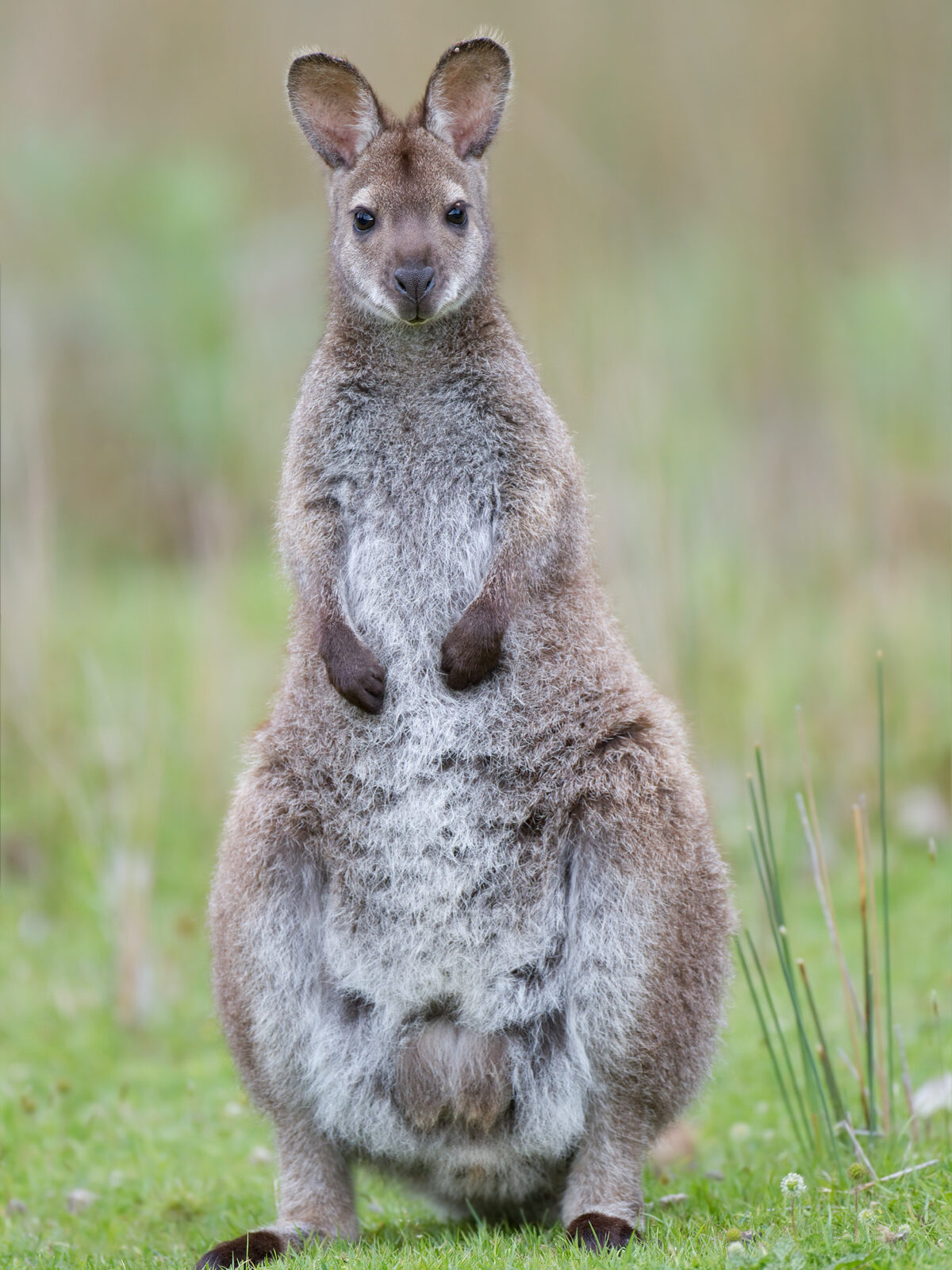
BENNETT'S WALLABY
Macropus rufogriseus
DESCRIPTION
Bennett's Wallaby, also known as the red-necked wallaby, is a medium-sized marsupial characterized by its reddish-brown fur and distinctive black stripe along its back. They have strong hind legs adapted for hopping and a long tail that aids in balance. These wallabies are social animals, often seen in small groups, and are primarily active during the day, foraging for food in their natural habitat.
FUN FACTS
- Bennett's Wallabies are known for their impressive jumping ability, capable of leaping over obstacles that are several times their height
- They can also cover distances of up to 8 meters in a single bound! | These wallabies have a unique social structure, often forming small groups that help protect them from predators
- Their social interactions include grooming and playing, which strengthens bonds within the group
QUICK INFO
Lifespan10-15 years in the wild, up to 20 years in captivi
Average Weight15-25 kg
Average Length0.9-1.2 m
Diet TypeHerbivore
Social StructureThey are typically found in small groups, often consisting of a few individuals.
Activity PatternDiurnal
Breeding SeasonYear-round, with peaks in spring and summer
- Habitat
- Bennett's Wallabies inhabit open forests, woodlands, and grasslands. They prefer areas with dense undergrowth for shelter and foraging.
- Biomes
- Temperate Forest, Grassland
- Native Range
- They are native to eastern Australia, particularly in Tasmania and parts of the mainland.
- Continent
- Australia
- Countries
- Australia, Tasmania
- Diet
- Bennett's Wallabies are herbivores, primarily grazing on grasses, leaves, and shrubs. They have a preference for tender shoots and foliage.
- Diet Type
- Herbivore
- Favorite Food
- grasses, leaves, shrubs
- Social Structure
- They are typically found in small groups, often consisting of a few individuals.
- Activity Pattern
- Diurnal
- Group Size
- 2-10
- Territorial
- 0
 LC
LC
 LC
LC
15-25 kg
Weight
0.9-1.2 m
Length
- Coloration
- Reddish-brown fur with a lighter underbelly and a distinctive black stripe along the back.
- Sexual Dimorphism
- Males are generally larger than females.
- Lifespan
- 10-15 years in the wild, up to 20 years in captivi
- Gestation Period
- 30-35 days
- Offspring per Birth
- 1
- Sexual Maturity
- 1-2 years
- Breeding Season
- Year-round, with peaks in spring and summer
LC
Least Concern
IUCN Red List Status
- Population Status
- The population is currently stable, with no immediate threats to their survival.
- Wild Population Estimate
- Unknown
- Population Trend
- Stable
- Endangered
- 0
- Threats
- Main threats include habitat loss due to urban development and agriculture, as well as predation by introduced species such as dogs and foxes.
- Predators
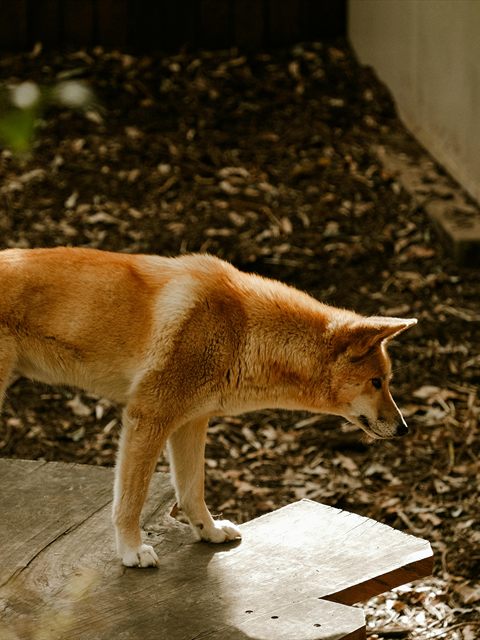
- Dingoes, foxes, and domestic dogs.
- Defense Mechanisms
- They rely on their speed and agility to escape predators, often using their strong hind legs to make quick hops away from danger.
- Compatible Animals
- Other wallaby species, kangaroos, and various birds.
- Found in Zoos
- Common