


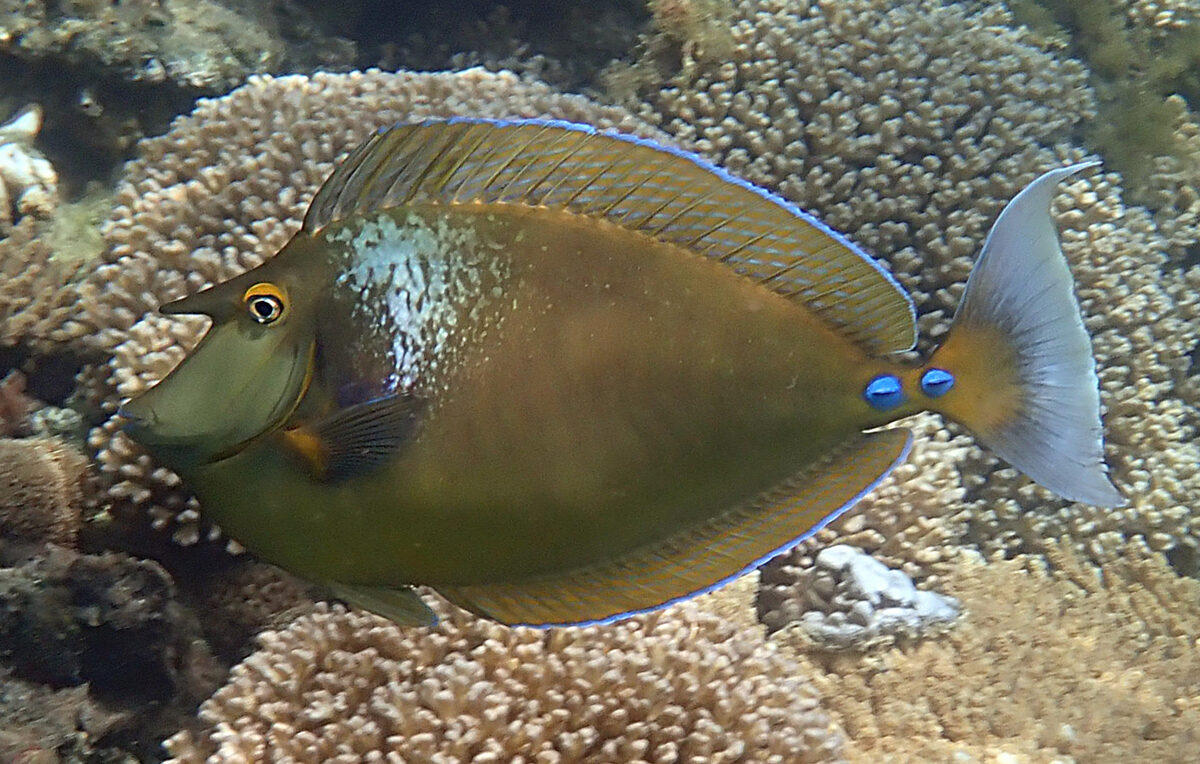
BIGNOSE UNICORN TANG
DESCRIPTION
Also called Unicorn Tang and Bignose Tang, the Bignose Unicorn Tang is a striking marine fish known for its elongated body and prominent, horn-like projection on its forehead. This species exhibits a vibrant coloration, typically featuring a blue to yellow gradient with a distinctive yellow tail. Bignose Unicorn Tangs are social creatures, often found in small groups, and they inhabit coral reefs where they play a crucial role in maintaining the health of the ecosystem by grazing on algae.
FUN FACTS
- Bignose Unicorn Tangs are named for their unique horn-like projection, which is more pronounced in males and is thought to play a role in mating displays
- They are also known for their vibrant colors, which can change slightly based on their mood and environment, making them a favorite among aquarium enthusiasts
QUICK INFO
Lifespan10-15 years in the wild, up to 20 years in captivi
Average Weight1-2 kg
Average Length20-30 cm
Diet TypeHerbivore
Social Structuregroup — they are often found in small schools, which helps provide safety in numbers.
Activity PatternDiurnal
Breeding SeasonSpring to early summer
- Habitat
- Bignose Unicorn Tangs are typically found in shallow coral reef environments, where they can easily access their primary food source. They prefer areas with plenty of rock formations and coral structures that provide shelter and foraging opportunities.
- Biomes
- Coral Reef
- Native Range
- The Bignose Unicorn Tang is native to the Indo-Pacific region, including areas around the Hawaiian Islands, the Great Barrier Reef, and various islands in the Pacific Ocean.
- Continent
- Oceania, Asia
- Countries
- Hawaii, Australia, Indonesia, Philippines, Japan
- Diet
- Bignose Unicorn Tangs primarily feed on algae and plant matter, which they graze from the surfaces of rocks and coral. Their diet is essential for controlling algal growth in their habitats.
- Diet Type
- Herbivore
- Favorite Food
- algae
- Social Structure
- group — they are often found in small schools, which helps provide safety in numbers.
- Activity Pattern
- Diurnal
- Group Size
- 5-15
- Territorial
- 1
 LC
LC
1-2 kg
Weight
20-30 cm
Length
- Coloration
- vibrant blue with yellow accents and a distinctive yellow tail
- Lifespan
- 10-15 years in the wild, up to 20 years in captivi
- Sexual Maturity
- 2-3 years
- Breeding Season
- Spring to early summer
LC
Least Concern
IUCN Red List Status
- Population Status
- The population of Bignose Unicorn Tangs is currently stable, but they are affected by habitat loss and overfishing in some areas.
- Wild Population Estimate
- unknown
- Population Trend
- Stable
- Endangered
- 0
- Threats
- Main threats include habitat destruction due to coral reef degradation and overfishing for the aquarium trade. Conservation efforts are needed to protect their natural habitats.
- Predators
- Larger fish, sharks, and some species of moray eels are known to prey on Bignose Unicorn Tangs.
- Defense Mechanisms
- They can use their sharp spines for defense against predators and often rely on their speed and agility to escape threats.
- Compatible Animals
- other tangs, clownfish, wrasses
- Found in Zoos
- Common