


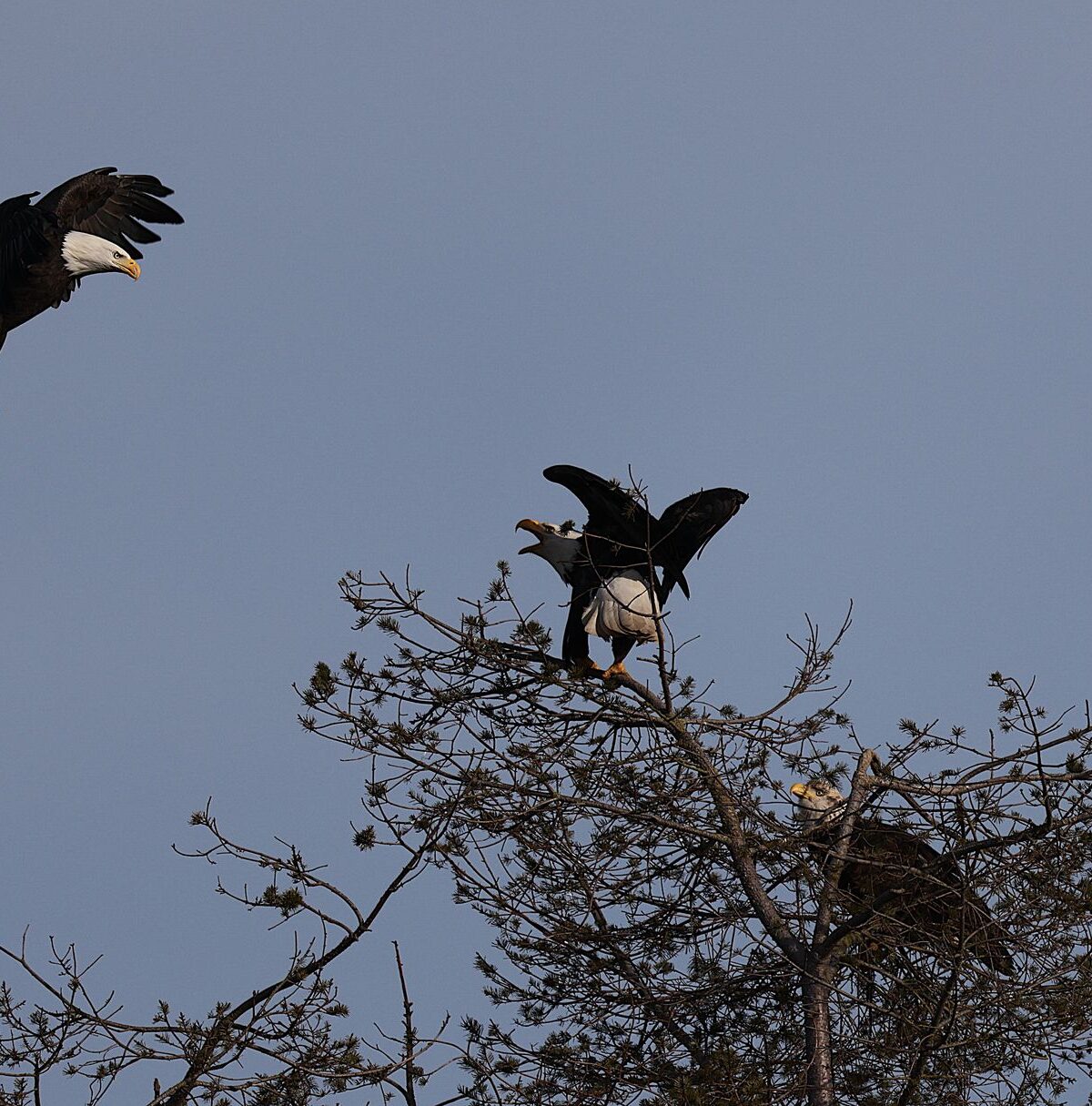
BIRDS OF PREY
DESCRIPTION
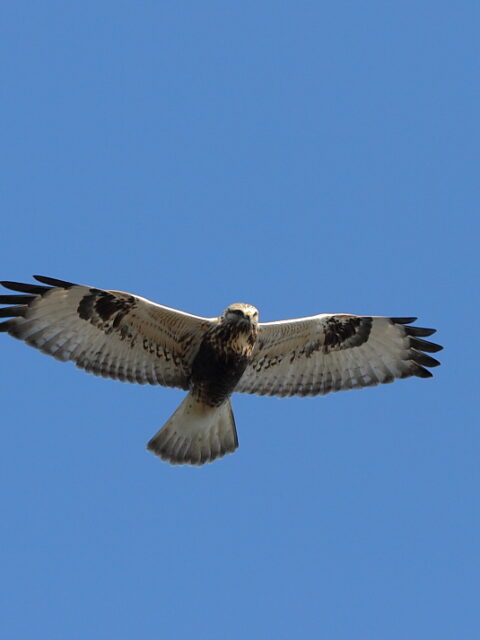
Birds of Prey, commonly known as hawks, eagles, kites, and vultures, are a diverse group of birds known for their keen eyesight and powerful hunting skills. They typically have strong, hooked beaks and sharp talons, which they use to capture and consume their prey. These birds are found in a variety of habitats and play a crucial role in maintaining the balance of ecosystems by controlling populations of other animals.
FUN FACTS
- Some species of Birds of Prey, like the Bald Eagle, can see four to five times better than humans, allowing them to spot prey from great distances
- Additionally, many Birds of Prey engage in elaborate courtship displays, including aerial acrobatics, to attract mates
QUICK INFO
Lifespan10-30 years in the wild, depending on the species.
Average Weight1-6 kg
Average Length0.5-2.5 m
Diet TypeCarnivore
Social Structuresolitary or pair, often seen hunting alone or in mated pairs during breeding season
Activity PatternDiurnal
Breeding SeasonSpring (March-June)
- Habitat
- Birds of Prey inhabit a wide range of environments, including forests, grasslands, deserts, and wetlands. They often prefer areas with open spaces for hunting and nesting sites in trees or cliffs.
- Biomes
- Temperate Forest, Grassland, Desert, Wetland
- Native Range
- They are found on every continent except Antarctica, with a wide distribution across various regions.
- Continent
- North America, South America, Europe, Asia, Africa, Australia
- Countries
- USA, Canada, Mexico, Brazil, UK, Germany, India, Australia
- Diet
- They primarily feed on small to medium-sized mammals, birds, and reptiles, depending on the species. Some vultures are scavengers, feeding on carrion.
- Diet Type
- Carnivore
- Favorite Food
- small mammals, birds, carrion
- Social Structure
- solitary or pair, often seen hunting alone or in mated pairs during breeding season
- Activity Pattern
- Diurnal
- Group Size
- 1-2
- Territorial
- 1
 LC
LC
 LC
LC
1-6 kg
Weight
0.5-2.5 m
Length
- Coloration
- Typically have a mix of browns, blacks, and whites, with some species exhibiting striking patterns.
- Sexual Dimorphism
- In many species, females are larger than males.
- Lifespan
- 10-30 years in the wild, depending on the species.
- Offspring per Birth
- 1-4
- Sexual Maturity
- 2-5 years
- Breeding Season
- Spring (March-June)
VU
Vulnerable
IUCN Red List Status
- Population Status
- Many species are stable, but some are threatened or endangered due to habitat loss and hunting.
- Wild Population Estimate
- Varies widely by species, with some in the millions and others critically low.
- Population Trend
- Decreasing
- Endangered
- 1
- Threats
- Main threats include habitat destruction, poisoning, and hunting. Climate change also poses a risk to their habitats and food sources.
- Conservation Program
- Various programs exist to protect habitats and rehabilitate injured birds.
- Predators
- Eggs and young birds may be preyed upon by raccoons, snakes, and other birds of prey. Adults have few natural predators but may be threatened by larger raptors.
- Defense Mechanisms
- They use their sharp talons and beaks to defend themselves and their nests.
- Found in Zoos
- Common