


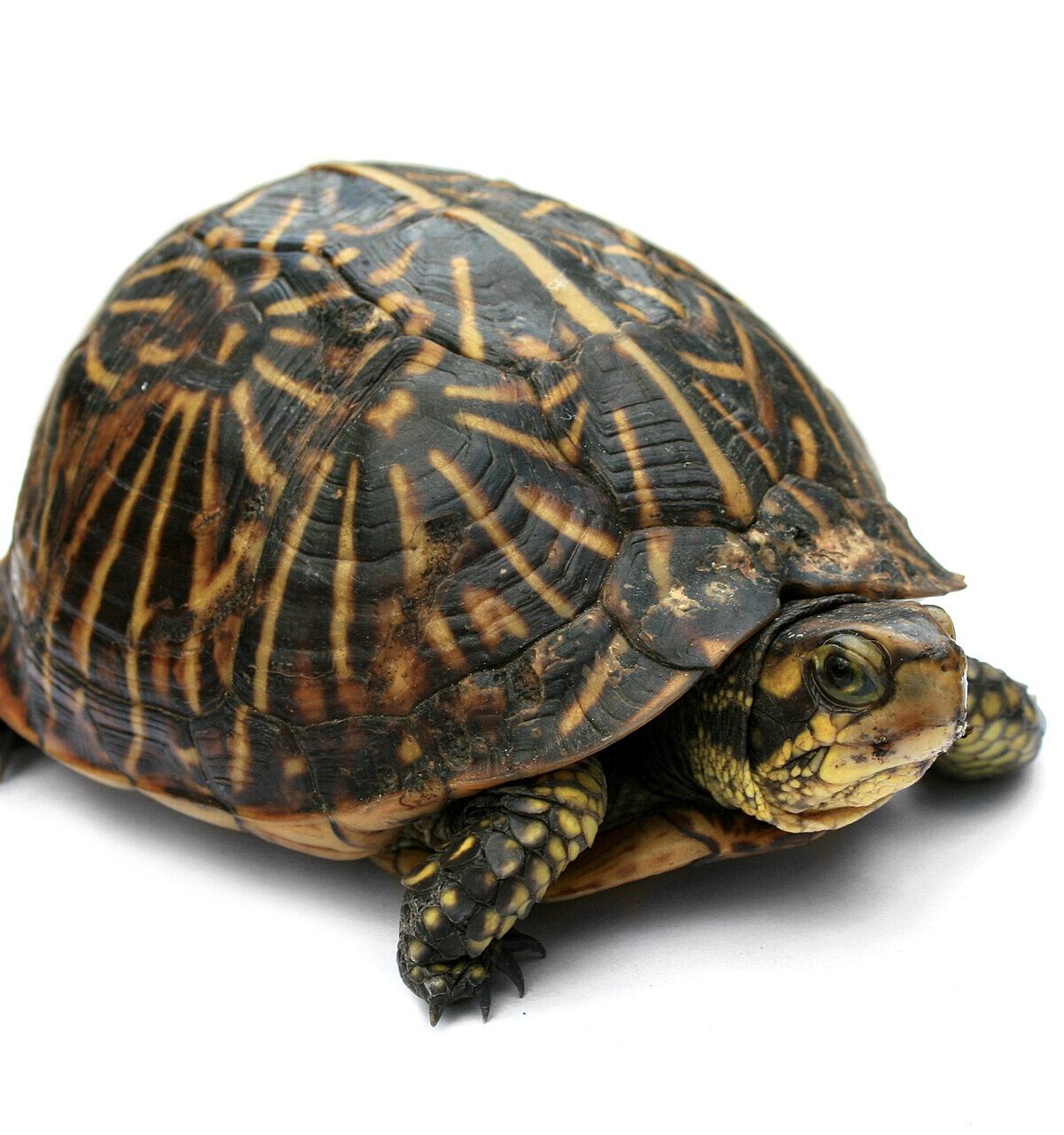
BITING TURTLE
DESCRIPTION
The Biting Turtle, also known as the Alligator Snapping Turtle, is a large freshwater turtle characterized by its rugged shell and powerful jaws. It has a distinctive appearance with a beak-like mouth and a spiky, ridged shell that provides camouflage among aquatic vegetation. This species is known for its ambush hunting technique, where it remains motionless at the bottom of rivers and lakes, luring fish with its worm-like tongue.
FUN FACTS
- The Biting Turtle is one of the largest freshwater turtles in North America, with some individuals weighing over 100 pounds
- They can live for several decades, making them one of the longest-lived turtle species
- | These turtles have a unique hunting strategy; they can remain motionless for hours, using their specialized tongue to mimic a worm, attracting fish to their jaws
- This ambush technique showcases their incredible patience and adaptability in their aquatic environment
QUICK INFO
Lifespan20-70 years in the wild
Average Weight35-50 kg
Average Length0.6-0.9 m
Diet TypeCarnivore
Social Structuresolitary
Activity PatternNocturnal
Breeding SeasonSpring (April-June)
- Habitat
- Biting Turtles inhabit freshwater environments such as rivers, lakes, and swamps. They prefer areas with abundant vegetation and slow-moving waters.
- Biomes
- Freshwater, Wetlands
- Native Range
- The native range of the Biting Turtle includes the southeastern United States, particularly in states like Florida, Louisiana, and Texas.
- Continent
- North America
- Countries
- United States
- Diet
- The Biting Turtle primarily feeds on fish, crustaceans, and other aquatic animals. It is a carnivorous species that uses its strong jaws to capture prey.
- Diet Type
- Carnivore
- Favorite Food
- fish, crustaceans
- Social Structure
- solitary
- Activity Pattern
- Nocturnal
- Group Size
- 1
- Territorial
- 0
 LC
LC
 VU
VU
 LC
LC

35-50 kg
Weight
0.6-0.9 m
Length
- Coloration
- dark brown to greenish with a rugged, textured shell
- Sexual Dimorphism
- males are generally larger than females
- Lifespan
- 20-70 years in the wild
- Offspring per Birth
- 10-30
- Sexual Maturity
- 11-15 years
- Breeding Season
- Spring (April-June)
LC
Least Concern
IUCN Red List Status
- Population Status
- The population of Biting Turtles is currently stable, but they face threats from habitat loss and hunting.
- Wild Population Estimate
- unknown
- Population Trend
- Stable
- Endangered
- 0
- Threats
- Main threats include habitat destruction due to urban development and pollution, as well as hunting for their meat and shells. Conservation efforts are needed to protect their habitats.
- Predators
- large fish, birds of prey, raccoons, and alligators
- Defense Mechanisms
- Biting Turtles have a tough shell that provides protection against predators, and they can also deliver a powerful bite if threatened.
- Found in Zoos
- Uncommon