


BLACK-BILLED MAGPIE
Pica hudsonia
DESCRIPTION
The Black-billed Magpie (Pica hudsonia) is a striking bird known for its long tail and bold black and white plumage. It has a distinctive black bill and a glossy greenish-black head, with white underparts and wings that display iridescent hues in sunlight. This species is highly intelligent and social, often seen foraging in groups and exhibiting complex behaviors such as tool use and problem-solving.
FUN FACTS
- Black-billed Magpies are known for their intelligence and problem-solving abilities, often using tools to access food
- They have been observed using sticks to extract insects from tree bark, showcasing their cognitive skills
- | These birds are also known for their elaborate courtship displays, which include aerial acrobatics and vocalizations
- During the breeding season, males perform these displays to attract females, demonstrating their fitness and vitality
QUICK INFO
Lifespan5-10 years in the wild, up to 15 in captivity
Average Weight150-200 g
Average Length40-50 cm
Diet TypeOmnivore
Social StructureThey are often found in pairs or small groups, displaying social behaviors such as cooperative foraging.
Activity PatternDiurnal
Breeding SeasonSpring (April-June)
- Habitat
- Black-billed Magpies inhabit open areas such as grasslands, farmlands, and edges of forests. They prefer habitats with scattered trees and shrubs for nesting and foraging.
- Biomes
- Temperate Forest, Grassland
- Native Range
- The native range of the Black-billed Magpie includes western North America, particularly in the Rocky Mountain region and parts of Canada.
- Continent
- North America
- Countries
- United States, Canada
- Diet
- The Black-billed Magpie is an omnivorous bird that feeds on a varied diet including insects, small mammals, fruits, and carrion. It is known to scavenge and will also raid nests for eggs and chicks.
- Diet Type
- Omnivore
- Favorite Food
- insects, small mammals, fruits
- Social Structure
- They are often found in pairs or small groups, displaying social behaviors such as cooperative foraging.
- Activity Pattern
- Diurnal
- Group Size
- 2-10
- Territorial
- 1
 LC
LC
 LC
LC
150-200 g
Weight
40-50 cm
Length
- Coloration
- Black and white with iridescent greenish-black on the head.
- Lifespan
- 5-10 years in the wild, up to 15 in captivity
- Offspring per Birth
- 5-7
- Sexual Maturity
- 1-2 years
- Breeding Season
- Spring (April-June)
LC
Least Concern
IUCN Red List Status
- Population Status
- The population of Black-billed Magpies is currently stable, with no significant declines reported.
- Wild Population Estimate
- 100,000-200,000
- Population Trend
- Stable
- Endangered
- 0
- Threats
- Main threats include habitat loss due to agricultural expansion and urban development. They may also face predation from larger birds of prey.
- Predators
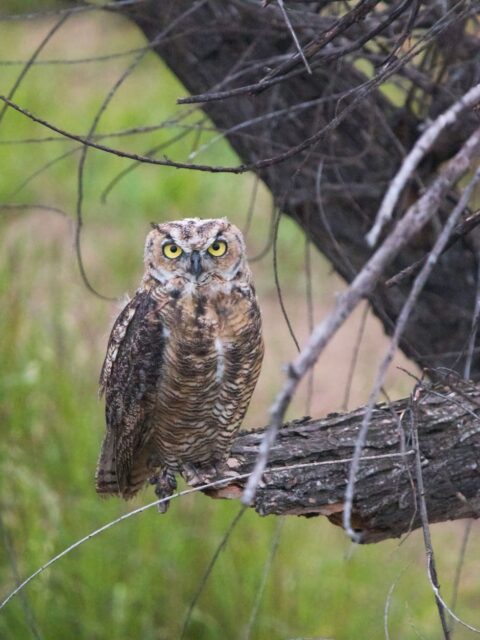
- Red-tailed Hawks, Great Horned Owls, Foxes, Coyotes
- Defense Mechanisms
- They use alarm calls to warn others of danger and may mob predators to drive them away.
- Found in Zoos
- Uncommon