


BLACK-BILLED WHISTLING DUCK
Dendrocygna autumnalis
DESCRIPTION
The Black-billed Whistling Duck is a medium-sized waterfowl characterized by its distinctive black bill and striking plumage. Its body is predominantly brown with a lighter chest and a unique pattern of white on the face and neck. These ducks are known for their social behavior, often seen in groups, and they exhibit a whistling call that gives them their name.
FUN FACTS
- The Black-billed Whistling Duck is known for its unique vocalizations, which sound like whistles and can be heard from a distance
- These calls are not only used for communication but also play a role in maintaining social bonds within flocks
- | Unlike many other duck species, Black-billed Whistling Ducks are more terrestrial and often forage on land rather than solely relying on water for food
- This behavior allows them to exploit a wider range of habitats and food sources
QUICK INFO
Lifespan10-15 years in the wild
Average Weight0.8-1.2 kg
Average Length50-60 cm
Diet TypeHerbivore
Social StructureThey are typically found in pairs or small groups, often forming larger flocks outside of the breeding season.
Activity PatternDiurnal
Breeding SeasonSpring to early summer
- Habitat
- Black-billed Whistling Ducks inhabit freshwater wetlands, marshes, and rice fields. They prefer areas with abundant vegetation for foraging and nesting.
- Biomes
- Wetlands, Grasslands
- Native Range
- They are native to Central and South America, ranging from Mexico to Argentina.
- Continent
- North America, South America
- Countries
- Mexico, Belize, Guatemala, Honduras, Nicaragua, Costa Rica, Panama, Colombia, Venezuela, Ecuador, Peru, Brazil, Bolivia, Paraguay, Argentina
- Diet
- They primarily feed on grasses, seeds, and aquatic plants, foraging both on land and in water. Their diet can also include some insects and small invertebrates.
- Diet Type
- Herbivore
- Favorite Food
- grasses, seeds, aquatic plants
- Social Structure
- They are typically found in pairs or small groups, often forming larger flocks outside of the breeding season.
- Activity Pattern
- Diurnal
- Group Size
- 5-30
- Territorial
- 0

 LC
LC
 VU
VU
0.8-1.2 kg
Weight
50-60 cm
Length
- Coloration
- They have a brown body with a lighter chest and a distinctive black bill.
- Lifespan
- 10-15 years in the wild
- Offspring per Birth
- 6-12
- Sexual Maturity
- 1-2 years
- Breeding Season
- Spring to early summer
LC
Least Concern
IUCN Red List Status
- Population Status
- The population is currently stable, but habitat loss poses a potential threat.
- Wild Population Estimate
- 50,000-100,000
- Population Trend
- Stable
- Endangered
- 0
- Threats
- Main threats include habitat destruction due to agriculture and urban development. Pollution and hunting also pose risks to their populations.
- Predators
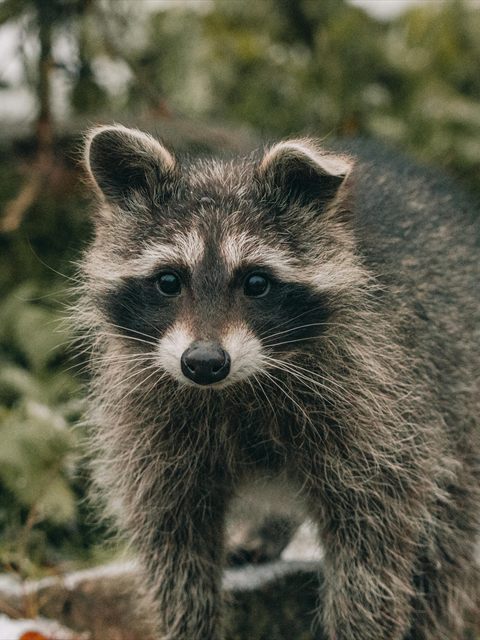
- Foxes, raccoons, birds of prey, and large fish can prey on their eggs and young.
- Defense Mechanisms
- They rely on their ability to blend into their surroundings and will often flee to water when threatened.
- Compatible Animals
- Other waterfowl species, such as ducks and geese
- Found in Zoos
- Uncommon