


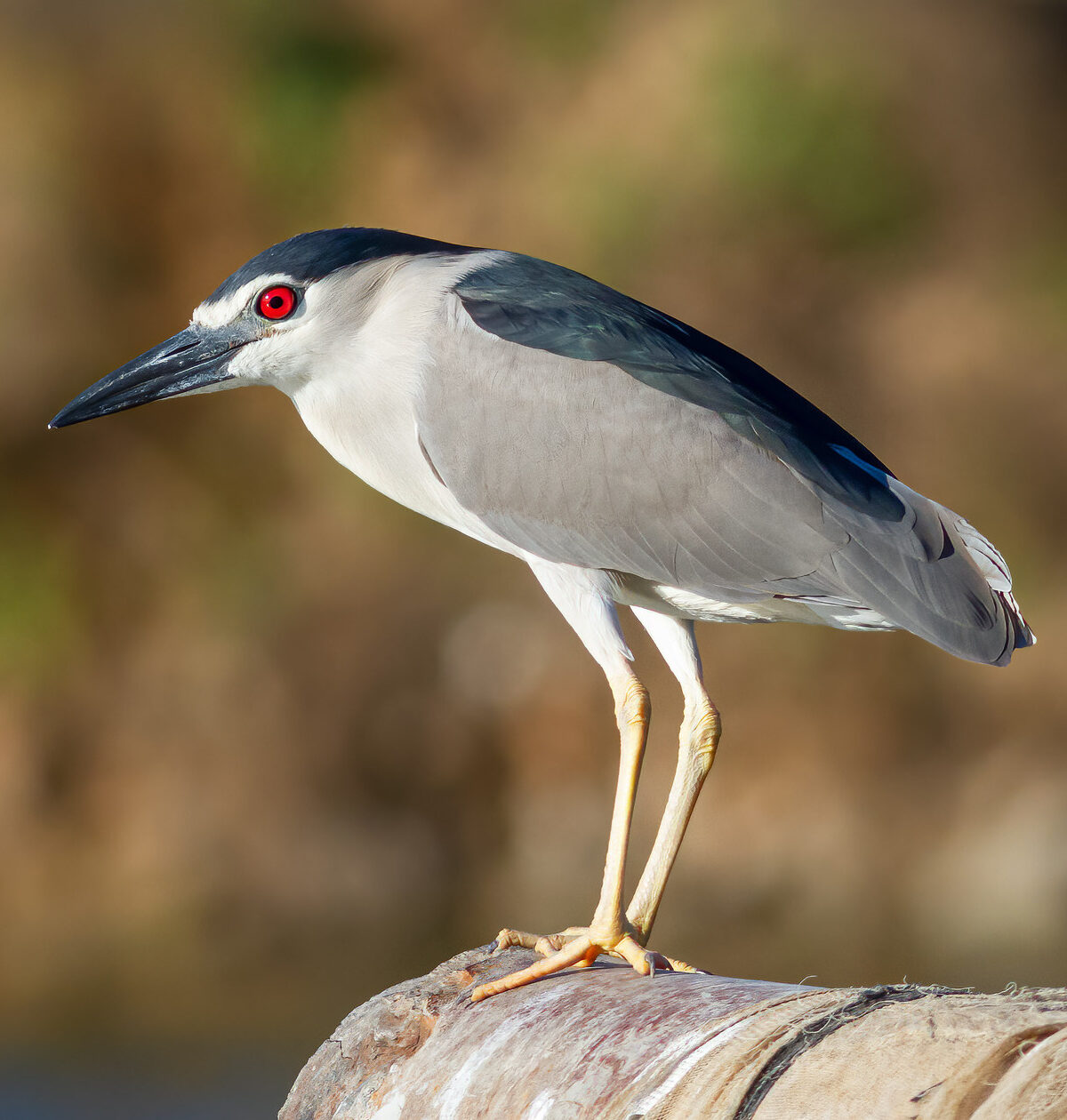
BLACK-CROWNED NIGHT HERON
Nycticorax nycticorax
DESCRIPTION
The Black-crowned Night Heron is a medium-sized heron with a distinctive black crown and back, contrasting with its gray wings and white underparts. It has a stout body, short neck, and a sharp, pointed bill, which it uses to catch prey. This species is known for its nocturnal behavior, often hunting at night or during twilight hours, making it a unique member of the heron family.
FUN FACTS
- The Black-crowned Night Heron is one of the few heron species that is primarily nocturnal, allowing it to avoid competition with other birds that hunt during the day
- This unique behavior is complemented by its excellent night vision, which helps it locate prey in low light conditions
- | Interestingly, these herons are known to be quite social during the breeding season, often nesting in colonies with other herons
- They build their nests in trees or shrubs, and both parents participate in raising the young, showcasing a level of parental care that is notable among birds
QUICK INFO
Lifespan10-15 years in the wild
Average Weight0.7-1.5 kg
Average Length0.6-0.7 m
Diet TypePiscivore
Social Structuresolitary or in small groups, especially during breeding
Activity PatternNocturnal
Breeding SeasonSpring to early summer
- Habitat
- This heron prefers wetlands, including marshes, lakes, and riverbanks, where it can find ample food and nesting sites. It often roosts in trees or shrubs near water bodies.
- Biomes
- Wetlands, Temperate Forests
- Native Range
- The Black-crowned Night Heron is found across a wide range, including North America, Europe, Asia, and parts of Africa.
- Continent
- North America, Europe, Asia, Africa
- Countries
- United States, Canada, Mexico, France, Japan, China
- Diet
- The Black-crowned Night Heron primarily feeds on fish, amphibians, and small invertebrates. It is known to forage in shallow waters, using its keen eyesight to spot prey.
- Diet Type
- Piscivore
- Favorite Food
- fish, amphibians
- Social Structure
- solitary or in small groups, especially during breeding
- Activity Pattern
- Nocturnal
- Group Size
- 1-10
- Territorial
- 0
 LC
LC

 VU
VU
0.7-1.5 kg
Weight
0.6-0.7 m
Length
- Coloration
- Black crown and back, gray wings, white underparts
- Lifespan
- 10-15 years in the wild
- Offspring per Birth
- 3-5
- Sexual Maturity
- 1-2 years
- Breeding Season
- Spring to early summer
LC
Least Concern
IUCN Red List Status
- Population Status
- The population is generally stable, but local declines may occur due to habitat loss.
- Wild Population Estimate
- 100,000-1,000,000
- Population Trend
- Stable
- Endangered
- 0
- Threats
- Main threats include habitat destruction, pollution, and disturbance from human activities. These factors can lead to reduced nesting success and food availability.
- Predators
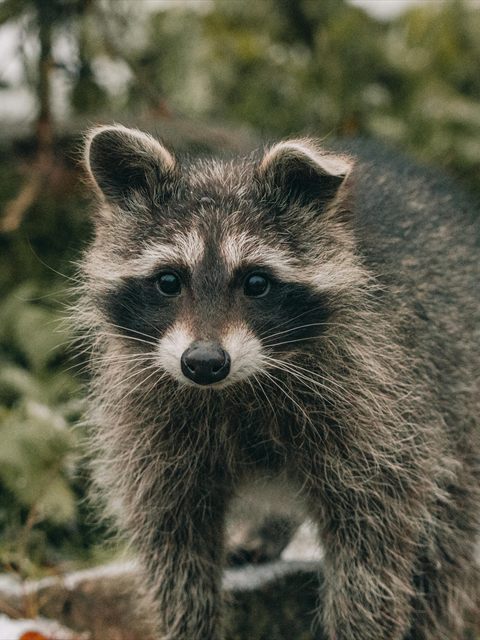
- Raccoons, foxes, large birds of prey, and domestic cats can pose threats to eggs and young herons.
- Defense Mechanisms
- They rely on camouflage and stealth to avoid predators, often remaining still and blending into their surroundings.
- Compatible Animals
- other herons, ducks, geese
- Found in Zoos
- Uncommon