



BLACK DUIKER
Cephalophus niger
DESCRIPTION
The Black Duiker is a small antelope characterized by its sleek, dark coat and distinctive white markings on the face and legs. Males are typically larger than females and possess short, straight horns. They are known for their elusive nature, often hiding in dense underbrush and being more active during twilight hours.
FUN FACTS
- Black Duikers are known for their unique vocalizations, which include a variety of grunts and snorts used for communication, especially between mothers and their young
- Additionally, they have a remarkable ability to leap and navigate through dense underbrush, making them agile and elusive in their natural habitat
- | Despite their small size, Black Duikers play a crucial role in their ecosystem by helping to disperse seeds through their diet, contributing to the health and regeneration of their forest habitats
QUICK INFO
Lifespan10-15 years in the wild, up to 20 in captivity
Average Weight30-50 kg
Average Length1.0-1.2 m
Diet TypeHerbivore
Social Structuresolitary or in pairs, typically avoiding larger groups
Activity PatternCrepuscular
Breeding SeasonYear-round, with peaks depending on local conditions
- Habitat
- Black Duikers inhabit dense forests and thickets, often favoring areas with abundant undergrowth. They are adept at navigating through thick vegetation, which provides both food and cover from predators.
- Biomes
- Tropical Rainforest, Temperate Forest
- Native Range
- They are native to the tropical forests of West and Central Africa.
- Continent
- Africa
- Countries
- Cameroon, Gabon, Republic of the Congo, Democratic Republic of the Congo, Nigeria
- Diet
- Black Duikers primarily feed on leaves, fruits, and flowers, showcasing a preference for soft vegetation. They are known to browse selectively, often choosing the most nutritious parts of plants.
- Diet Type
- Herbivore
- Favorite Food
- leaves, fruits, flowers
- Social Structure
- solitary or in pairs, typically avoiding larger groups
- Activity Pattern
- Crepuscular
- Group Size
- 1-2
- Territorial
- 0
 VU
VU
 LC
LC
 VU
VU
30-50 kg
Weight
1.0-1.2 m
Length
- Coloration
- dark brown to black fur with white facial markings
- Sexual Dimorphism
- males are larger and have horns
- Lifespan
- 10-15 years in the wild, up to 20 in captivity
- Gestation Period
- 210 days
- Offspring per Birth
- 1
- Sexual Maturity
- 1-2 years
- Breeding Season
- Year-round, with peaks depending on local conditions
LC
Least Concern
IUCN Red List Status
- Population Status
- The population is currently stable but faces threats from habitat loss.
- Wild Population Estimate
- unknown
- Population Trend
- Stable
- Endangered
- 0
- Threats
- Main threats include habitat destruction due to logging and agricultural expansion, as well as hunting. These factors have led to localized declines in certain areas.
- Predators
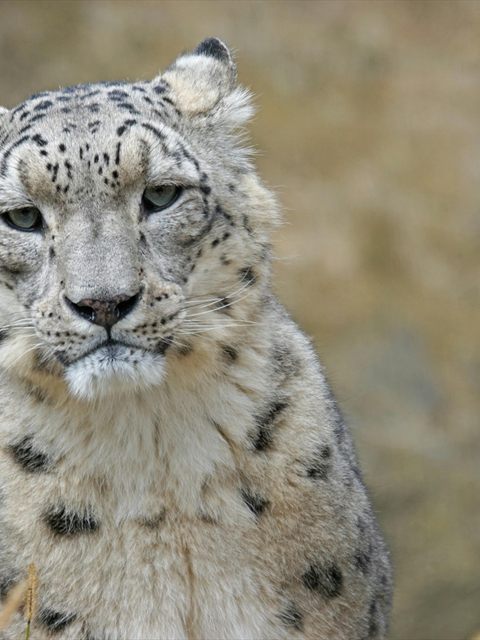
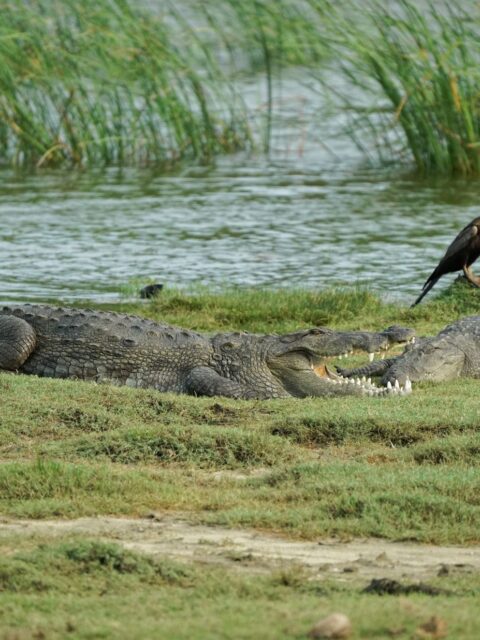
- leopards, large snakes, and occasionally crocodiles
- Defense Mechanisms
- They rely on camouflage and their ability to remain still to avoid detection by predators.
- Found in Zoos
- Uncommon