


BLACK-FOOTED CAT
Felis nigripes
DESCRIPTION
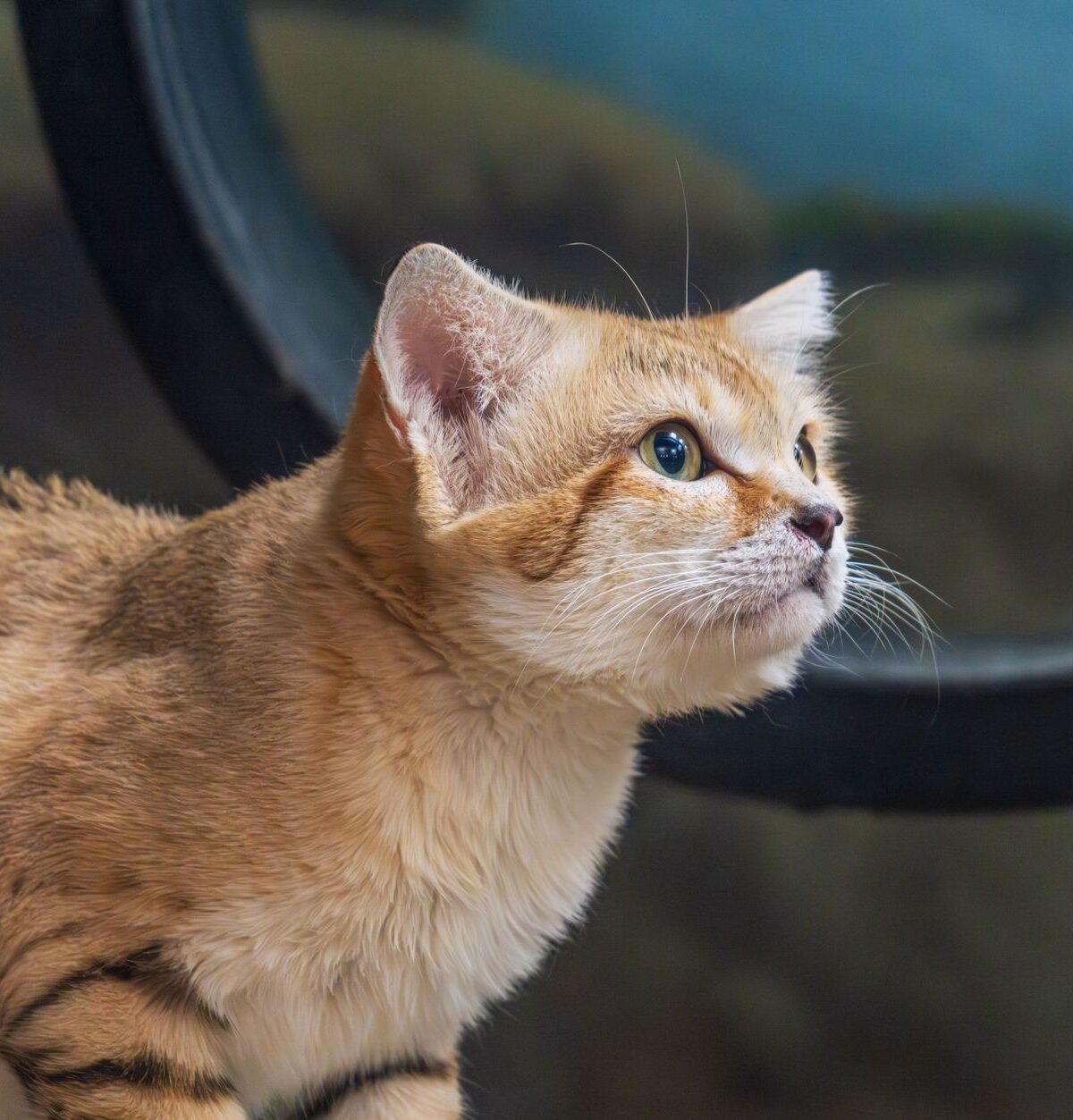
Black-Footed Cat (Felis nigripes) is a small wild cat native to southern Africa, often recognized for its distinctive black markings on its feet. This species has a compact body, short legs, and a relatively large head with prominent ears, which aid in its nocturnal hunting. Black-Footed Cats are known for their playful and curious behavior, often engaging in pouncing and stalking as they hunt small mammals and birds in their arid habitats.
FUN FACTS
- Black-Footed Cats are known for their incredible hunting skills, often catching prey that is larger than themselves
- They can leap up to six times their body length in a single bound, making them highly effective hunters in their arid environments.| Despite their small size, Black-Footed Cats are fierce and can be quite vocal, using a range of sounds to communicate, including growls, hisses, and purrs
- Their playful nature often leads them to engage in mock hunting behaviors, which helps them develop their skills
QUICK INFO
Lifespan10-12 years in the wild, up to 15 years in captivi
Average Weight1.5-2.5 kg
Average Length45-55 cm
Diet TypeCarnivore
Social Structuresolitary, with individuals maintaining their own territories
Activity PatternNocturnal
Breeding SeasonYear-round, with peaks depending on local conditions
- Habitat
- Black-Footed Cats inhabit dry savannas, grasslands, and scrublands, where they can find ample cover for hunting. They prefer areas with sparse vegetation that allows them to stalk their prey effectively.
- Biomes
- Savanna, Grassland
- Native Range
- They are found in southern Africa, particularly in countries like Botswana, Namibia, and South Africa.
- Continent
- Africa
- Countries
- Botswana, Namibia, South Africa
- Diet
- They primarily feed on small mammals, birds, and insects, showcasing their adaptability as hunters. Their diet varies based on availability, but they are skilled at catching prey in their environment.
- Diet Type
- Carnivore
- Favorite Food
- small mammals, birds
- Social Structure
- solitary, with individuals maintaining their own territories
- Activity Pattern
- Nocturnal
- Group Size
- 1
- Territorial
- 1
 LC
LC
1.5-2.5 kg
Weight
45-55 cm
Length
- Coloration
- light brown to grayish with dark spots and stripes
- Sexual Dimorphism
- males are generally larger than females
- Lifespan
- 10-12 years in the wild, up to 15 years in captivi
- Gestation Period
- 63-68 days
- Offspring per Birth
- 1-4
- Sexual Maturity
- about 1 year
- Breeding Season
- Year-round, with peaks depending on local conditions
LC
Least Concern
IUCN Red List Status
- Population Status
- The population is currently stable, but habitat loss poses a threat.
- Wild Population Estimate
- unknown
- Population Trend
- Stable
- Endangered
- 0
- Threats
- Main threats include habitat destruction due to agriculture and human encroachment. Additionally, they face risks from domestic cats and vehicles.
- Predators
- larger birds of prey, snakes, and occasionally larger carnivores
- Defense Mechanisms
- They rely on their agility and camouflage to evade predators, often freezing in place to avoid detection.
- Found in Zoos
- Uncommon