


BLACK-NECKED STILT
Himantopus mexicanus
DESCRIPTION
The Black-Necked Stilt is a striking wading bird characterized by its long, thin legs and a distinctive black neck and head. Its body is primarily white with a black back and wings, and it has a long, straight bill that is well-adapted for foraging in shallow waters. These birds are known for their agile movements and can often be seen foraging in groups, using their long legs to wade through wetlands and shallow coastal areas.
FUN FACTS
- Black-Necked Stilts are known for their unique feeding behavior, where they often forage in shallow waters by rapidly moving their legs to stir up the mud and uncover hidden prey
- They are also highly vocal birds, using a variety of calls to communicate with each other, especially during the breeding season
- | These birds are excellent fliers and can cover long distances in search of suitable habitats
- Their long legs and slender bodies make them agile in flight, allowing them to navigate through wetlands and coastal areas with ease
QUICK INFO
Lifespan5-10 years in the wild.
Average Weight100-200 g
Average Length30-35 cm
Diet TypeOmnivore
Social StructureThey are typically found in groups, especially during feeding and breeding, but can also be seen in pairs.
Activity PatternDiurnal
Breeding SeasonSpring to early summer.
- Habitat
- Black-Necked Stilts inhabit shallow wetlands, marshes, and coastal areas where they can find ample food sources. They prefer areas with open water and mudflats for foraging.
- Biomes
- Wetlands, Coastal
- Native Range
- The Black-Necked Stilt is native to North and South America, commonly found in the western United States, Mexico, and parts of South America.
- Continent
- North America, South America
- Countries
- United States, Mexico, Brazil, Argentina, Chile
- Diet
- Black-Necked Stilts primarily feed on small invertebrates, including insects and crustaceans, as well as some plant material. They use their long bills to probe into the mud and water to find food.
- Diet Type
- Omnivore
- Favorite Food
- insects, crustaceans
- Social Structure
- They are typically found in groups, especially during feeding and breeding, but can also be seen in pairs.
- Activity Pattern
- Diurnal
- Group Size
- 5-50
- Territorial
- 1
 LC
LC

 VU
VU
 LC
LC
100-200 g
Weight
30-35 cm
Length
- Coloration
- Black and white with long pink legs.
- Sexual Dimorphism
- Males and females are similar in appearance, but males tend to have slightly brighter coloration during the breeding season.
- Lifespan
- 5-10 years in the wild.
- Offspring per Birth
- 3-5
- Sexual Maturity
- 1-2 years
- Breeding Season
- Spring to early summer.
LC
Least Concern
IUCN Red List Status
- Population Status
- The population of Black-Necked Stilts is generally stable, but local declines have been noted in some areas due to habitat loss.
- Wild Population Estimate
- 50,000-100,000
- Population Trend
- Stable
- Endangered
- 0
- Threats
- Main threats include habitat destruction due to urban development and agriculture, as well as pollution and climate change affecting wetland ecosystems.
- Predators
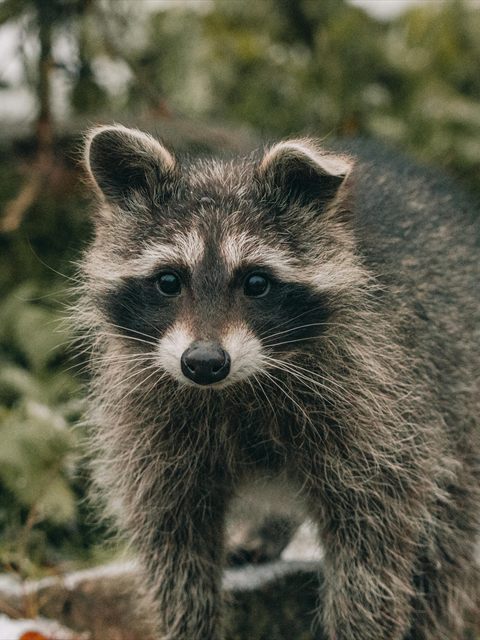
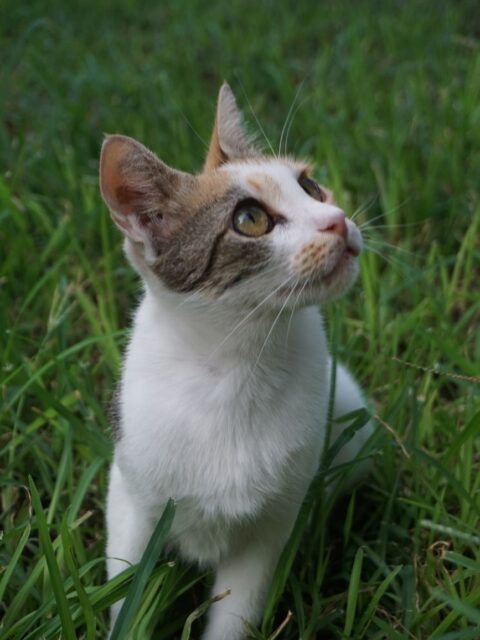
- Raccoons, foxes, birds of prey, and domestic cats.
- Defense Mechanisms
- They often use distraction displays to lead predators away from their nests and young.
- Compatible Animals
- Other wading birds, ducks, and shorebirds.
- Found in Zoos
- Uncommon