



BLACK-THROATED FINCH
Poephila cincta
DESCRIPTION
The Black-throated Finch (Poephila cincta) is a small, colorful bird known for its striking black throat and chestnut-colored body. Males are particularly vibrant, showcasing a bright yellow belly and a distinctive black face, while females are more subdued in coloration. These finches are social birds, often found in small flocks, and are known for their melodious calls and playful behavior.
FUN FACTS
- Black-throated Finches are known for their beautiful songs, which they use to communicate with each other and attract mates
- Their vocalizations can vary significantly between individuals, making each bird's song unique
- | These finches are often kept in aviaries due to their social nature and vibrant colors
- They thrive in environments where they can interact with other birds and have plenty of space to fly and forage
QUICK INFO
Lifespan5-10 years in the wild.
Average Weight10-15 g
Average Length10-12 cm
Diet TypeGranivore
Social Structuregroup — they are often found in small flocks, which helps them in foraging and avoiding predators.
Activity PatternDiurnal
Breeding SeasonSpring to early summer (September to January)
- Habitat
- These finches inhabit open grasslands, savannas, and scrublands, often near water sources. They prefer areas with dense grass cover for foraging and nesting.
- Biomes
- Savanna, Grassland
- Native Range
- The Black-throated Finch is native to northern Australia, particularly in the regions of Queensland and the Northern Territory.
- Continent
- Australia
- Countries
- Australia
- Diet
- Black-throated Finches primarily feed on seeds, particularly those from grasses and weeds. They may also consume some fruits and insects, especially during the breeding season.
- Diet Type
- Granivore
- Favorite Food
- grass seeds
- Social Structure
- group — they are often found in small flocks, which helps them in foraging and avoiding predators.
- Activity Pattern
- Diurnal
- Group Size
- 5-20
- Territorial
- 0
 LC
LC
10-15 g
Weight
10-12 cm
Length
- Coloration
- Males have a black throat, chestnut body, and bright yellow underparts, while females are more muted with brownish tones.
- Sexual Dimorphism
- Males are more brightly colored than females.
- Lifespan
- 5-10 years in the wild.
- Offspring per Birth
- 3-6
- Sexual Maturity
- 6 months
- Breeding Season
- Spring to early summer (September to January)
LC
Least Concern
IUCN Red List Status
- Population Status
- The population of Black-throated Finches is currently stable, but they face habitat loss.
- Wild Population Estimate
- Unknown, but considered common in suitable habitats.
- Population Trend
- Stable
- Endangered
- 0
- Threats
- Main threats include habitat destruction due to agriculture and urban development. Additionally, changes in fire management practices can impact their nesting sites.
- Predators
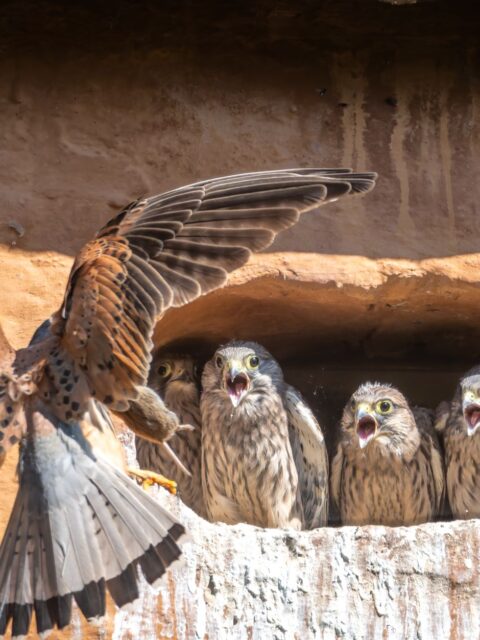
- Predators include birds of prey, such as hawks and kestrels, as well as snakes and feral cats.
- Defense Mechanisms
- They rely on their social structure and quick flight to evade predators.
- Compatible Animals
- other small finches, canaries
- Found in Zoos
- Uncommon