


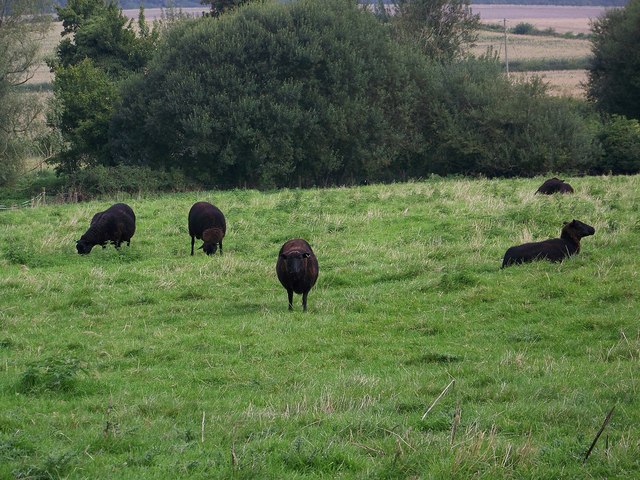
BLACK WELSH MOUNTAIN SHEEP
DESCRIPTION
Also called Welsh Mountain Sheep, Black Welsh Mountain Sheep is a hardy breed known for its distinctive black fleece and strong, robust build. They are well-adapted to the rugged terrain of Wales, exhibiting a calm demeanor and a strong flocking instinct. These sheep are primarily raised for their meat and wool, and they thrive in various environmental conditions, showcasing resilience and adaptability.
FUN FACTS
- Black Welsh Mountain Sheep are known for their high-quality wool, which is sought after for its durability and warmth
- This breed is also recognized for its ability to thrive in harsh weather conditions, making them a valuable asset for farmers in mountainous regions.| The breed has a rich history, dating back to the 19th century, and is celebrated for its unique appearance and adaptability
- They are often featured in agricultural shows and competitions, showcasing their impressive physique and wool quality
QUICK INFO
Lifespan10-12 years in the wild, up to 15 years in captivi
Average Weight45-70 kg
Diet TypeHerbivore
Social Structuregroup — they typically form flocks for social interaction and protection.
Activity PatternDiurnal
Breeding SeasonAutumn (September-November)
- Habitat
- They typically inhabit upland pastures and hilly terrains, where they can graze freely. Their habitat is often characterized by open fields and sparse vegetation.
- Biomes
- Temperate Grassland, Montane
- Native Range
- Native to the mountainous regions of Wales, particularly in the Brecon Beacons and Snowdonia.
- Continent
- Europe
- Countries
- United Kingdom
- Diet
- Black Welsh Mountain Sheep are herbivores, primarily grazing on grass, herbs, and shrubs. They are known to forage effectively in hilly and mountainous regions.
- Diet Type
- Herbivore
- Favorite Food
- grass, herbs, shrubs
- Social Structure
- group — they typically form flocks for social interaction and protection.
- Activity Pattern
- Diurnal
- Group Size
- 10-30
- Territorial
- 0

 LC
LC
LC
LC
45-70 kg
Weight
0.7-0.9 m at shoulder
Height (Shoulder)
- Coloration
- solid black fleece with a distinctive appearance.
- Sexual Dimorphism
- Males are generally larger and have more pronounced horns than females.
- Lifespan
- 10-12 years in the wild, up to 15 years in captivi
- Gestation Period
- 147 days
- Offspring per Birth
- 1-2
- Sexual Maturity
- 1-2 years
- Breeding Season
- Autumn (September-November)
LC
Least Concern
IUCN Red List Status
- Population Status
- The population is stable, with a healthy number of individuals maintained through farming practices.
- Population Trend
- Stable
- Endangered
- 0
- Threats
- Main threats include habitat loss due to agricultural expansion and predation by domestic dogs. Additionally, climate change may impact their grazing areas.
- Predators
- foxes, eagles, domestic dogs
- Defense Mechanisms
- They rely on their flocking behavior for safety and can also use their agility to escape predators.
- Compatible Animals
- none
- Found in Zoos
- Rare