


BLACK WOODPECKER
Dryocopus martius
DESCRIPTION
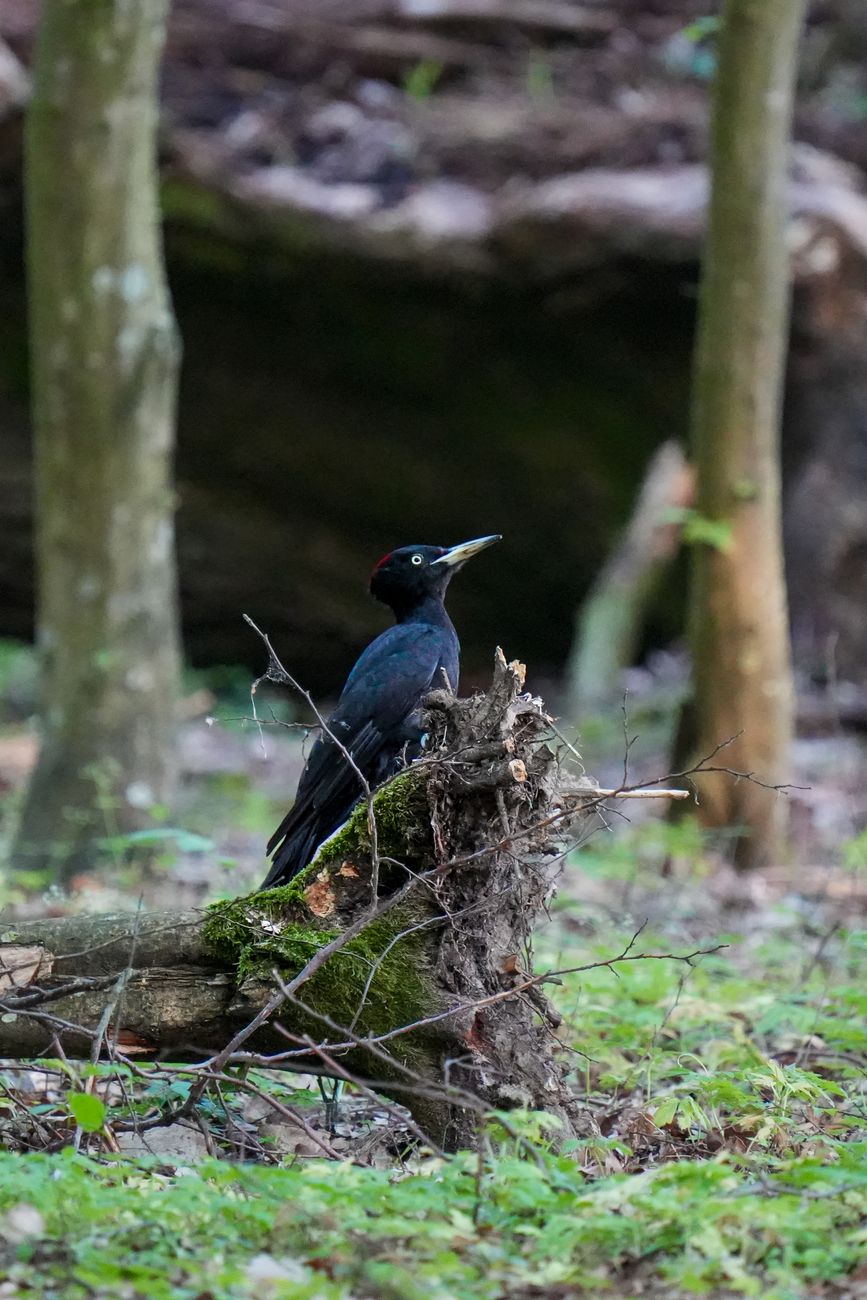
Black Woodpecker (Dryocopus martius) is a large woodpecker known for its striking black plumage and a distinctive red crown on the male. This species exhibits a robust body and a long, chisel-like bill, which it uses to excavate tree bark in search of insects. Black Woodpeckers are primarily found in mature forests, where they play a crucial role in the ecosystem by creating nesting cavities that benefit other species.
FUN FACTS
- Black Woodpeckers are known for their impressive drumming, which can be heard from great distances and is used to attract mates and establish territory
- They are also capable of excavating large holes in trees, which can be beneficial for other wildlife, as many species will use these cavities for nesting or shelter.| This species has a unique foraging technique where it uses its long tongue, which can extend up to 10 cm, to extract insects from deep within tree bark
- Their ability to excavate and create nesting sites contributes significantly to the biodiversity of their forest habitats
QUICK INFO
Lifespan10-15 years in the wild, up to 20 in captivity
Average Weight200-300 g
Average Length40-50 cm
Diet TypeInsectivore
Social StructureThey are typically solitary or found in pairs, especially during the breeding season.
Activity PatternDiurnal
Breeding SeasonSpring (April-June)
- Habitat
- Black Woodpeckers inhabit dense, mature forests, particularly those with a high density of old trees. They prefer areas with abundant dead wood, which provides ample foraging opportunities.
- Biomes
- Temperate Forest, Boreal Forest
- Native Range
- The species is native to large parts of Europe and Asia, extending from Scandinavia to the Himalayas.
- Continent
- Europe, Asia
- Countries
- Austria, Belarus, Belgium, Bulgaria, Czech Republic, Estonia, Finland, France, Germany, Hungary, Italy, Latvia, Lithuania, Poland, Romania, Russia, Slovakia, Sweden, Ukraine
- Diet
- They primarily feed on wood-boring beetlarvae, ants, and other insects found within tree bark. Occasionally, they may also consume tree sap and fruits.
- Diet Type
- Insectivore
- Favorite Food
- wood-boring beetles, ants
- Social Structure
- They are typically solitary or found in pairs, especially during the breeding season.
- Activity Pattern
- Diurnal
- Group Size
- 1-2
- Territorial
- 1
 LC
LC
 LC
LC
200-300 g
Weight
40-50 cm
Length
- Coloration
- The plumage is predominantly black with a glossy sheen, and males have a bright red crown.
- Sexual Dimorphism
- Males have a red crown, while females have a black crown.
- Lifespan
- 10-15 years in the wild, up to 20 in captivity
- Offspring per Birth
- 3-5
- Sexual Maturity
- 2-3 years
- Breeding Season
- Spring (April-June)
LC
Least Concern
IUCN Red List Status
- Population Status
- The population is currently stable, though it can be affected by habitat loss.
- Wild Population Estimate
- 100,000-200,000
- Population Trend
- Stable
- Endangered
- 0
- Threats
- Main threats include habitat destruction due to logging and forest fragmentation. Additionally, competition with other woodpecker species can impact their populations.
- Predators
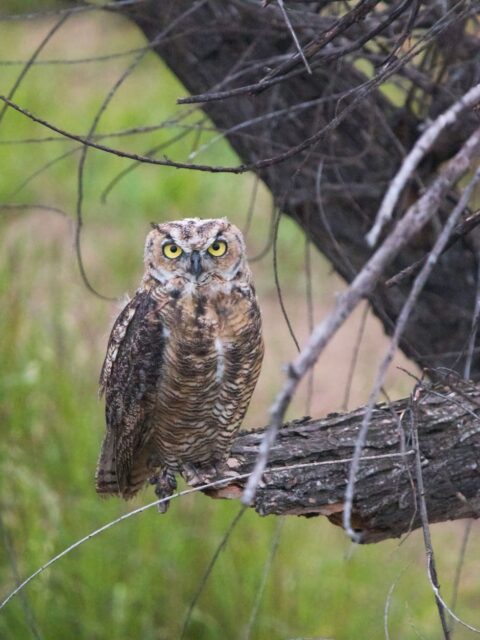
- Great Horned Owl, Eurasian Eagle-Owl, various raptors
- Defense Mechanisms
- They use their strong beaks to create cavities in trees for nesting, which also serves as a refuge from predators.
- Found in Zoos
- Uncommon