



BLACKSMITH LAPWING
Vanellus armatus
DESCRIPTION
The Blacksmith Lapwing, also known as the Blacksmith Plover, is a striking bird characterized by its black and white plumage, with a distinctive red eye and a prominent black crown. This species is known for its loud, metallic calls and aggressive behavior, especially when defending its territory or young. It typically inhabits open grasslands and wetlands, where it can be seen foraging for food and engaging in various social interactions.
FUN FACTS
- The Blacksmith Lapwing gets its name from its unique call, which sounds like a blacksmith hammering metal
- This bird is also known for its striking courtship displays, where males perform elaborate aerial maneuvers to attract females
QUICK INFO
Lifespan5-10 years in the wild
Average Weight150-250 g
Average Length30-35 cm
Diet TypeOmnivore
Social Structurepair or group, often seen in small flocks
Activity PatternDiurnal
Breeding SeasonSpring to early summer
- Habitat
- This species prefers open grasslands, wetlands, and areas near water bodies. It is often found in both natural and modified habitats, including agricultural fields.
- Biomes
- Grassland, Wetland
- Native Range
- The Blacksmith Lapwing is native to sub-Saharan Africa, particularly in the eastern and southern regions.
- Continent
- Africa
- Countries
- South Africa, Botswana, Namibia, Zimbabwe, Kenya, Tanzania
- Diet
- The Blacksmith Lapwing primarily feeds on insects, small invertebrates, and occasionally plant material. It forages by walking or running on the ground, using its sharp eyesight to spot prey.
- Diet Type
- Omnivore
- Favorite Food
- insects, small invertebrates
- Social Structure
- pair or group, often seen in small flocks
- Activity Pattern
- Diurnal
- Group Size
- 2-20
- Territorial
- 1
 LC
LC
 VU
VU
150-250 g
Weight
30-35 cm
Length
- Coloration
- black and white with a distinctive red eye
- Lifespan
- 5-10 years in the wild
- Offspring per Birth
- 2-4
- Sexual Maturity
- 1-2 years
- Breeding Season
- Spring to early summer
LC
Least Concern
IUCN Red List Status
- Population Status
- The population is currently stable, with no major declines reported.
- Wild Population Estimate
- 50,000-100,000
- Population Trend
- Stable
- Endangered
- 0
- Threats
- Main threats include habitat loss due to agricultural expansion and wetland drainage. Additionally, human disturbance can impact nesting success.
- Predators
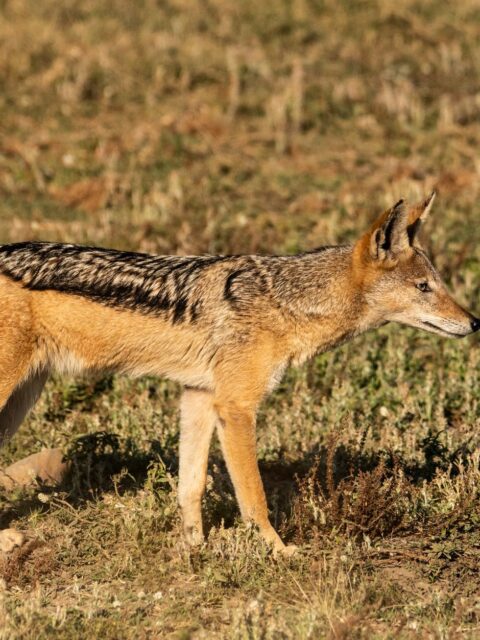
- Jackals, birds of prey, and domestic animals such as dogs.
- Defense Mechanisms
- They are known to perform distraction displays to lead potential predators away from their nests.
- Found in Zoos
- Uncommon