



BLESBOK
DESCRIPTION
The Blesbok is a medium-sized antelope characterized by its striking coloration, with a brown body and a distinctive white face and markings on its legs. Males possess long, curved horns that can reach up to 80 cm in length, while females are hornless. They are social animals, often found in herds, and are known for their agility and speed, which they use to evade predators in their natural habitat.
FUN FACTS
- Blesboks are known for their unique behavior of 'pronking,' where they leap into the air with all four feet off the ground, which is thought to be a display of fitness and a way to evade predators
- | The name 'Blesbok' comes from the Afrikaans word for 'white face,' which refers to the distinctive white markings on their face and legs, making them easily recognizable in the wild
QUICK INFO
Lifespan10-15 years in the wild, up to 20 years in captivi
Average Weight50-90 kg
Average Length1.2-1.5 m
Diet TypeHerbivore
Social Structuregroup — they typically live in herds, which can consist of both males and females.
Activity PatternDiurnal
Breeding SeasonYear-round, with peaks in spring
- Habitat
- Blesboks inhabit open grasslands and savannas, often favoring areas with abundant grass cover. They are adapted to live in both wet and dry environments, but they thrive in regions with sufficient rainfall.
- Biomes
- Savanna, Grassland
- Native Range
- The Blesbok is native to South Africa, particularly in the Highveld region.
- Continent
- Africa
- Countries
- South Africa
- Diet
- Blesboks are herbivores that primarily graze on grasses and other vegetation. They prefer short grasslands and are known to selectively feed on the most nutritious parts of the plants.
- Diet Type
- Herbivore
- Favorite Food
- grasses
- Social Structure
- group — they typically live in herds, which can consist of both males and females.
- Activity Pattern
- Diurnal
- Group Size
- 5-30
- Territorial
- 1
 LC
LC
 VU
VU
 LC
LC
50-90 kg
Weight
1.2-1.5 m
Length
0.9-1.1 m at shoulder
Height (Shoulder)
- Coloration
- brown body with white facial markings and leg stripes
- Sexual Dimorphism
- males have long horns, females are hornless
- Lifespan
- 10-15 years in the wild, up to 20 years in captivi
- Gestation Period
- 240 days
- Offspring per Birth
- 1
- Sexual Maturity
- 1.5-2 years
- Breeding Season
- Year-round, with peaks in spring
LC
Least Concern
IUCN Red List Status
- Population Status
- The Blesbok population has recovered from near extinction due to conservation efforts, but it remains vulnerable.
- Wild Population Estimate
- approximately 30,000
- Population Trend
- Stable
- Endangered
- 0
- Threats
- Habitat loss due to agricultural expansion and hunting pose significant threats to Blesbok populations. Additionally, competition with livestock for grazing resources can impact their numbers.
- Conservation Program
- Conservation programs in South Africa have successfully increased their population through protected areas and breeding initiatives.
- Predators
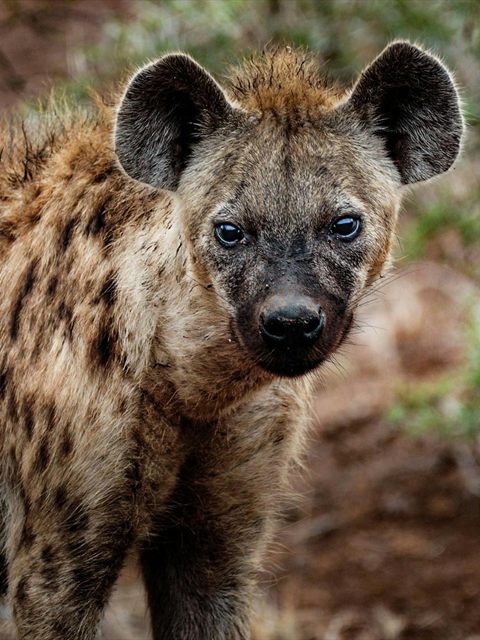
- Lions, leopards, hyenas, and African wild dogs are known predators of the Blesbok.
- Defense Mechanisms
- Blesboks rely on their speed and agility to escape predators, often using zigzag running patterns to evade capture.
- Compatible Animals
- Zebras, wildebeests, various antelope species
- Found in Zoos
- Common