


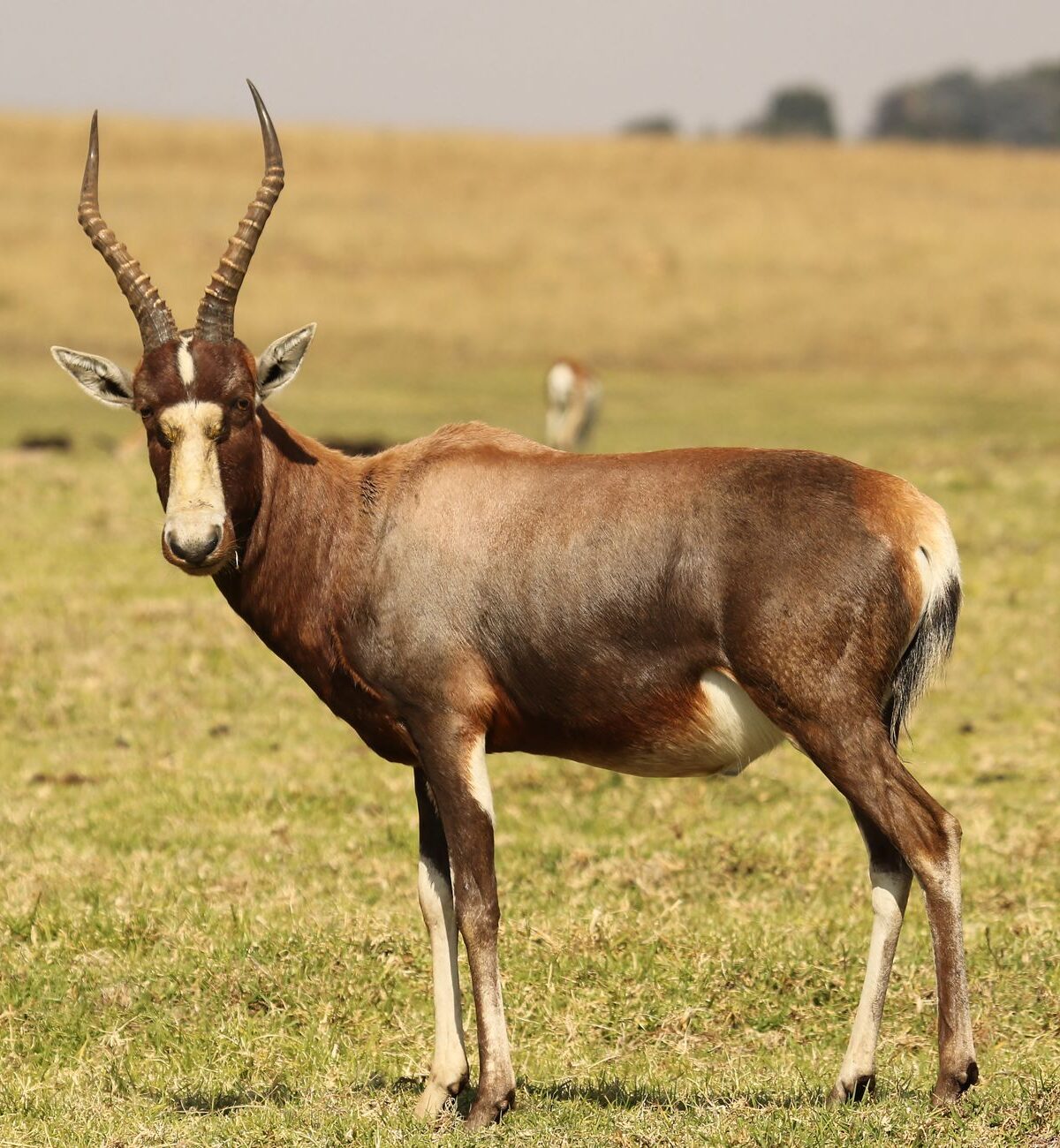
BLESBUCK
Damaliscus pygargus
DESCRIPTION
Blesbuck (Damaliscus pygargus) is commonly known as Blesbok, a medium-sized antelope native to South Africa. They are characterized by their striking coloration, with a brown body and a distinctive white blaze on their face, which gives them their name. Blesbuck are social animals, often found in herds, and they inhabit open grasslands and savannas, where they graze on grasses and other vegetation.
FUN FACTS
- Blesbuck are known for their unique social structure, where males establish territories and engage in ritualistic displays to attract females
- Interestingly, they can often be seen engaging in playful behavior, such as jumping and running, which helps strengthen social bonds within the herd
- | The name 'Blesbuck' comes from the Afrikaans word 'bles,' meaning 'blaze,' referring to the white facial marking that is characteristic of this species
- This distinctive marking not only helps in identification but also plays a role in social interactions among individuals
QUICK INFO
Lifespan10-15 years in the wild, up to 20 years in captivi
Average Weight50-90 kg
Average Length1.2-1.5 m
Diet TypeHerbivore
Social Structuregroup — Blesbuck typically live in herds, which provide protection against predators.
Activity PatternDiurnal
Breeding SeasonYear-round, with peaks in spring
- Habitat
- Blesbuck thrive in open grasslands and savannas, where they can easily find food and evade predators. They prefer areas with short grass, which allows them to graze effectively.
- Biomes
- Savanna, Grassland
- Native Range
- Blesbuck are native to the grasslands of South Africa, particularly in the regions of the Highveld and the Karoo.
- Continent
- Africa
- Countries
- South Africa, Lesotho, Swaziland
- Diet
- Blesbuck primarily feed on grasses, but they may also consume leaves and shoots when available.
- Diet Type
- Herbivore
- Favorite Food
- grasses
- Social Structure
- group — Blesbuck typically live in herds, which provide protection against predators.
- Activity Pattern
- Diurnal
- Group Size
- 5-30
- Territorial
- 1
 LC
LC
 VU
VU
 LC
LC
50-90 kg
Weight
1.2-1.5 m
Length
0.9-1.1 m at shoulder
Height (Shoulder)
- Coloration
- brown body with a white face blaze and white markings on the legs
- Sexual Dimorphism
- males are larger and have long, curved horns
- Lifespan
- 10-15 years in the wild, up to 20 years in captivi
- Gestation Period
- 240 days
- Offspring per Birth
- 1
- Sexual Maturity
- 1-2 years
- Breeding Season
- Year-round, with peaks in spring
LC
Least Concern
IUCN Red List Status
- Population Status
- The population of Blesbuck is currently stable, but they are subject to habitat loss and hunting pressures.
- Wild Population Estimate
- approximately 50,000
- Population Trend
- Stable
- Endangered
- 0
- Threats
- Main threats to Blesbuck include habitat loss due to agricultural expansion and hunting. Conservation efforts are in place to protect their habitats and manage populations.
- Conservation Program
- Various conservation programs in South Africa focus on habitat preservation and sustainable hunting practices.
- Predators
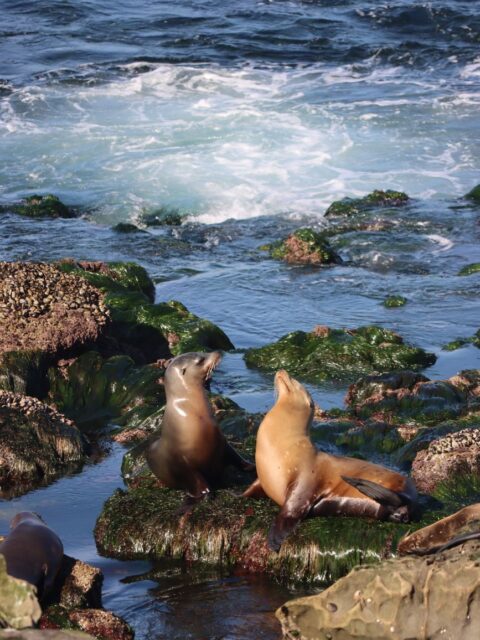
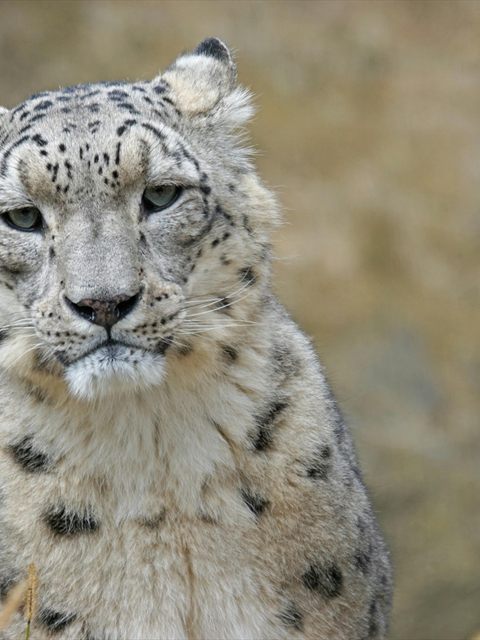
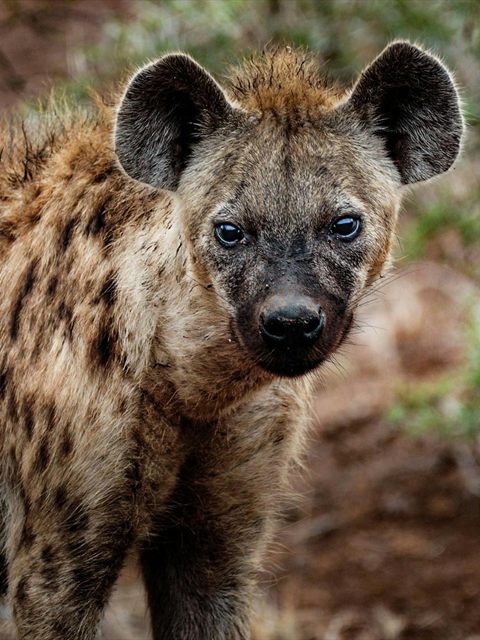
- Lions, leopards, hyenas, and wild dogs are known predators of Blesbuck.
- Defense Mechanisms
- Blesbuck rely on their speed and agility to escape predators, often using their strong sense of smell and hearing to detect danger.
- Compatible Animals
- Zebras, wildebeests, springboks
- Found in Zoos
- Common