


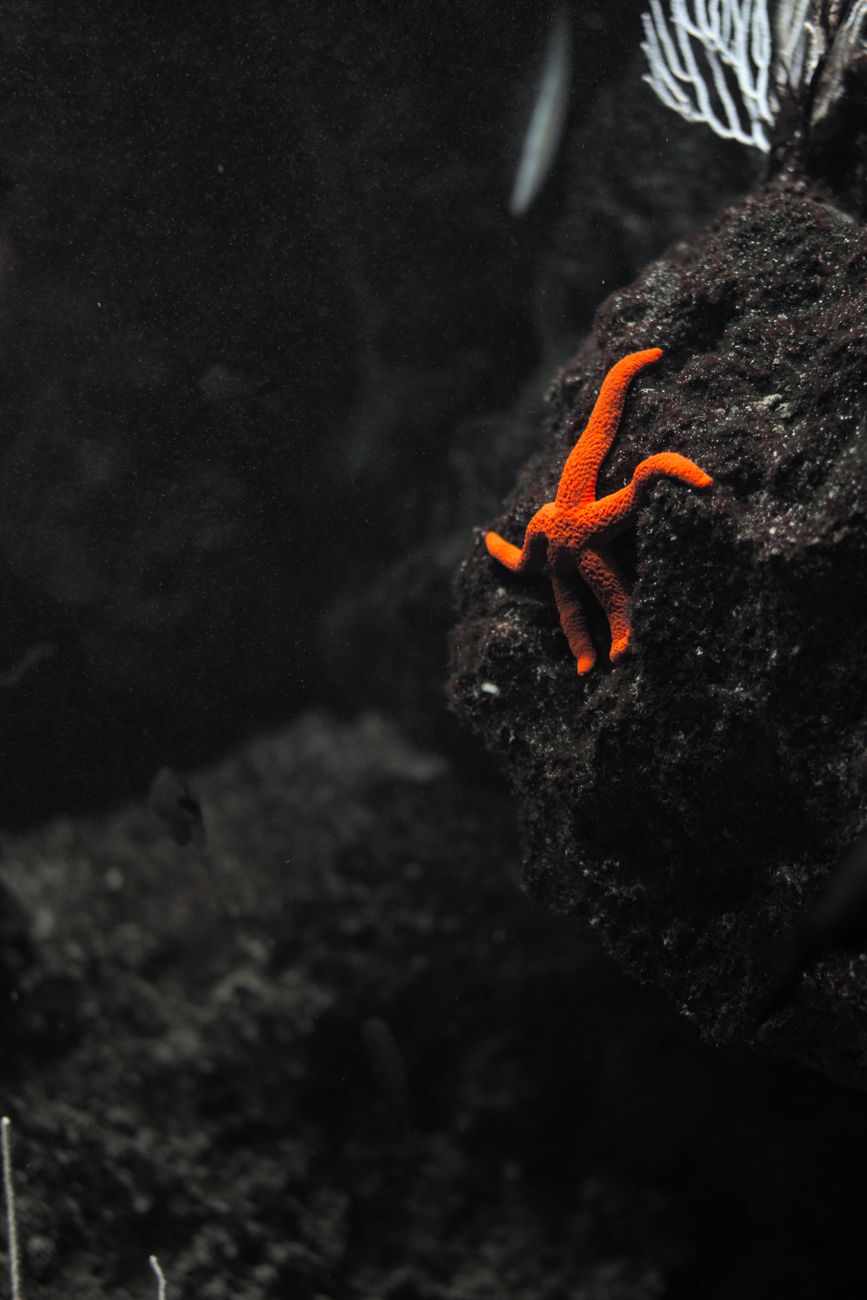
BLOOD STAR
DESCRIPTION
Blood Star is a species of sea star known for its striking red coloration, which can vary in intensity. It has a central disc with five to seven arms that are covered in small spines, giving it a rough texture. This species is primarily found in intertidal zones and is known for its ability to move across the ocean floor in search of food.
FUN FACTS
- Blood Stars have a unique feeding mechanism where they can evert their stomachs to digest food outside their bodies, allowing them to consume prey that is larger than their mouth
- Additionally, they play a crucial role in their ecosystem by controlling the population of bivalves and other invertebrates, thus maintaining the balance in their marine habitats
QUICK INFO
Lifespanup to 10 years in the wild
Average Weight0.5-1 kg
Average Length20-30 cm
Diet TypeCarnivore
Social Structuresolitary, occasionally found in small groups
Activity PatternDiurnal
Breeding SeasonSpring to early summer
- Habitat
- Blood Stars inhabit rocky substrates and sandy bottoms in shallow coastal waters. They are often found in tide pools and areas with abundant food sources.
- Biomes
- Marine
- Native Range
- Pacific Ocean, particularly along the coasts of North America from Alaska to California
- Continent
- North America
- Countries
- United States, Canada
- Diet
- Blood Star primarily feeds on bivalves, snails, and other small invertebrates. It uses its tube feet to pry open the shells of its prey.
- Diet Type
- Carnivore
- Favorite Food
- bivalves, snails
- Social Structure
- solitary, occasionally found in small groups
- Activity Pattern
- Diurnal
- Group Size
- 1-5
- Territorial
- 0
 EN
EN
 LC
LC
0.5-1 kg
Weight
20-30 cm
Length
- Coloration
- vibrant red with a rough texture
- Lifespan
- up to 10 years in the wild
- Sexual Maturity
- 2-3 years
- Breeding Season
- Spring to early summer
LC
Least Concern
IUCN Red List Status
- Population Status
- Population status is currently stable, but local densities can vary based on environmental conditions.
- Wild Population Estimate
- unknown
- Population Trend
- Stable
- Endangered
- 0
- Threats
- Main threats include habitat destruction and pollution, which can impact their food sources and living conditions. Climate change also poses a risk by altering ocean temperatures and acidity.
- Predators
- sea otters, large fish, and some species of crabs
- Defense Mechanisms
- Blood Stars can regenerate lost arms, which helps them escape predation.
- Compatible Animals
- none
- Found in Zoos
- Rare