


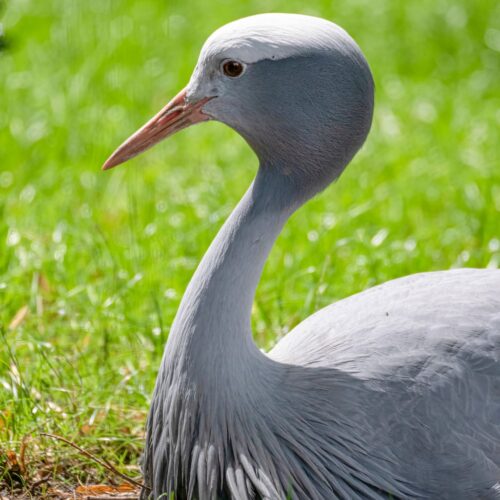
BLUE CRANE
Grus paradisea
DESCRIPTION
The Blue Crane, also known as the Paradise Crane, is a large bird characterized by its striking blue-gray plumage and long legs. It has a distinctive crest of feathers on its head and a long, slender neck, which adds to its elegant appearance. This species is known for its elaborate courtship displays, which include dancing and calling, and it typically inhabits grasslands and wetlands where it forages for food.
FUN FACTS
- The Blue Crane is the national bird of South Africa and is featured on the country's coat of arms
- They are known for their unique mating dance, which involves jumping and flapping their wings, making them a favorite among bird watchers and nature enthusiasts
QUICK INFO
Lifespan15-20 years in the wild, up to 30 in captivity
Average Weight3.5-4.5 kg
Average Length1.0-1.2 m
Diet TypeOmnivore
Social Structurepair or small groups, often seen in pairs during breeding season
Activity PatternDiurnal
Breeding SeasonSpring (September-November)
- Habitat
- Blue Cranes prefer open grasslands, wetlands, and agricultural areas where they can find food and nesting sites. They are often seen in areas with short vegetation that allows for easy foraging.
- Biomes
- Grassland, Wetland
- Native Range
- The Blue Crane is native to southern Africa, primarily found in South Africa, Namibia, and Botswana.
- Continent
- Africa
- Countries
- South Africa, Namibia, Botswana
- Diet
- The Blue Crane primarily feeds on seeds, grains, and small invertebrates. It forages on the ground, often in agricultural fields or grasslands.
- Diet Type
- Omnivore
- Favorite Food
- seeds, grains, small invertebrates
- Social Structure
- pair or small groups, often seen in pairs during breeding season
- Activity Pattern
- Diurnal
- Group Size
- 2-10
- Territorial
- 1
 LC
LC
 VU
VU
 LC
LC
3.5-4.5 kg
Weight
1.0-1.2 m
Length
- Coloration
- blue-gray plumage with a distinctive crest
- Sexual Dimorphism
- males are generally larger than females
- Lifespan
- 15-20 years in the wild, up to 30 in captivity
- Offspring per Birth
- 1-2
- Sexual Maturity
- 3-4 years
- Breeding Season
- Spring (September-November)
VU
Vulnerable
IUCN Red List Status
- Population Status
- The Blue Crane population is currently declining due to habitat loss and hunting pressures.
- Wild Population Estimate
- 25,000-30,000
- Population Trend
- Decreasing
- Endangered
- 1
- Threats
- Main threats include habitat destruction due to agriculture and urban development, as well as hunting. Conservation efforts are needed to protect their habitats and reduce hunting pressures.
- Conservation Program
- Various conservation programs are in place in South Africa to protect the Blue Crane and its habitat.
- Predators
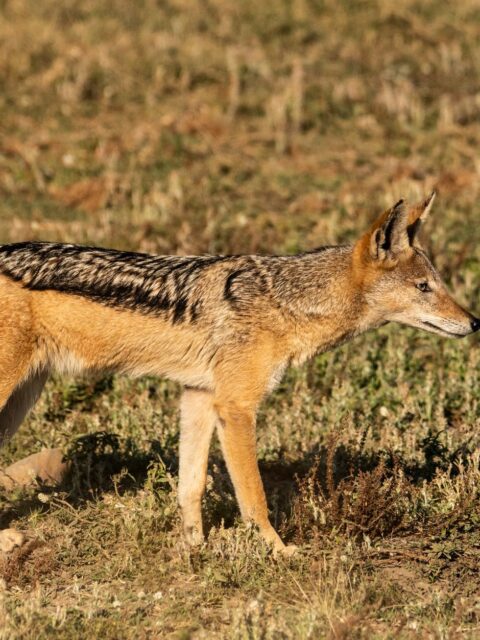
- Jackals, large birds of prey, and domestic dogs are known to prey on Blue Crane eggs and chicks.
- Defense Mechanisms
- Blue Cranes use their agility and speed to escape predators, and they may also use their long legs to kick at threats.
- Found in Zoos
- Uncommon