



BLUE DUIKER
Philantomba monticola
DESCRIPTION
The Blue Duiker is a small antelope characterized by its compact body and short legs. It has a distinctive bluish-grey coat, which can appear almost slate-colored, and is adorned with white markings on the face and underbelly. This species is known for its shy and elusive nature, often hiding in dense underbrush and being more active during the early morning and late afternoon hours.
FUN FACTS
- The Blue Duiker is one of the smallest antelope species, making it a favorite among wildlife enthusiasts
- Despite their small size, they are incredibly agile and can leap over obstacles with ease, which helps them evade predators
- | Blue Duikers have a unique way of communicating with each other, using a series of soft whistles and grunts to signal danger or attract mates
- Their shy nature often makes them difficult to observe in the wild, adding to their mystique
QUICK INFO
Lifespan10-15 years in the wild, up to 20 in captivity
Average Weight10-15 kg
Average Length70-90 cm
Diet TypeHerbivore
Social Structuresolitary or in pairs, typically avoiding larger groups
Activity PatternCrepuscular
Breeding SeasonYear-round, with peaks depending on local conditions
- Habitat
- Blue Duikers inhabit dense forests and thickets, often preferring areas with plenty of cover for protection. They are typically found in tropical and subtropical regions, where they can find ample food and shelter.
- Biomes
- Tropical Rainforest, Subtropical Forest
- Native Range
- The Blue Duiker is native to the forests of central and southern Africa.
- Continent
- Africa
- Countries
- Democratic Republic of the Congo, Uganda, Tanzania, Kenya, Zambia, Angola
- Diet
- The Blue Duiker primarily feeds on leaves, fruits, and flowers, favoring soft vegetation. It is known to browse on a variety of plant species, adapting its diet based on seasonal availability.
- Diet Type
- Herbivore
- Favorite Food
- leaves, fruits, flowers
- Social Structure
- solitary or in pairs, typically avoiding larger groups
- Activity Pattern
- Crepuscular
- Group Size
- 1-2
- Territorial
- 0
 VU
VU
 VU
VU
 VU
VU
10-15 kg
Weight
70-90 cm
Length
- Coloration
- bluish-grey coat with white markings
- Sexual Dimorphism
- males are slightly larger than females
- Lifespan
- 10-15 years in the wild, up to 20 in captivity
- Gestation Period
- 210 days
- Offspring per Birth
- 1
- Sexual Maturity
- 1-2 years
- Breeding Season
- Year-round, with peaks depending on local conditions
LC
Least Concern
IUCN Red List Status
- Population Status
- The population of Blue Duikers is currently stable, but they face threats from habitat loss.
- Wild Population Estimate
- unknown
- Population Trend
- Stable
- Endangered
- 0
- Threats
- The main threats to Blue Duikers include habitat destruction due to logging and agricultural expansion. They are also hunted for bushmeat in some regions.
- Predators
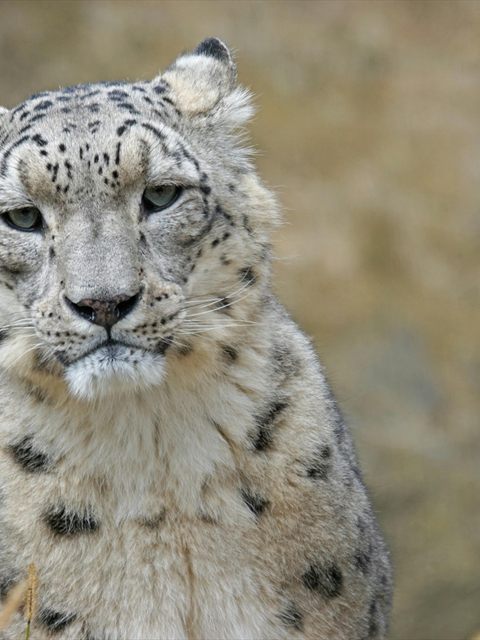
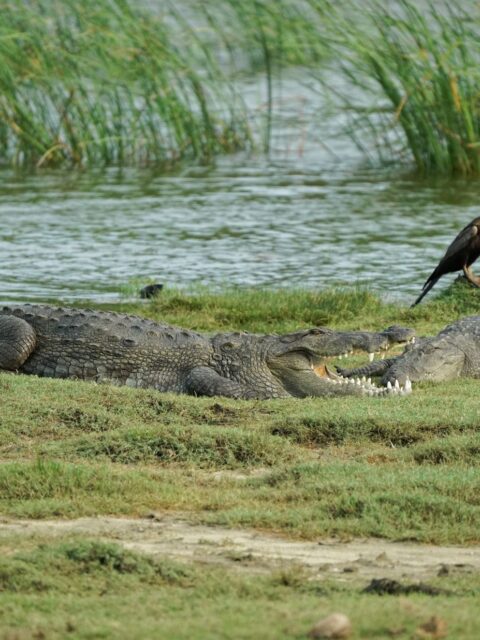
- leopards, large birds of prey, and occasionally crocodiles
- Defense Mechanisms
- Blue Duikers rely on their agility and speed to escape predators, often using dense vegetation for cover.
- Found in Zoos
- Uncommon