


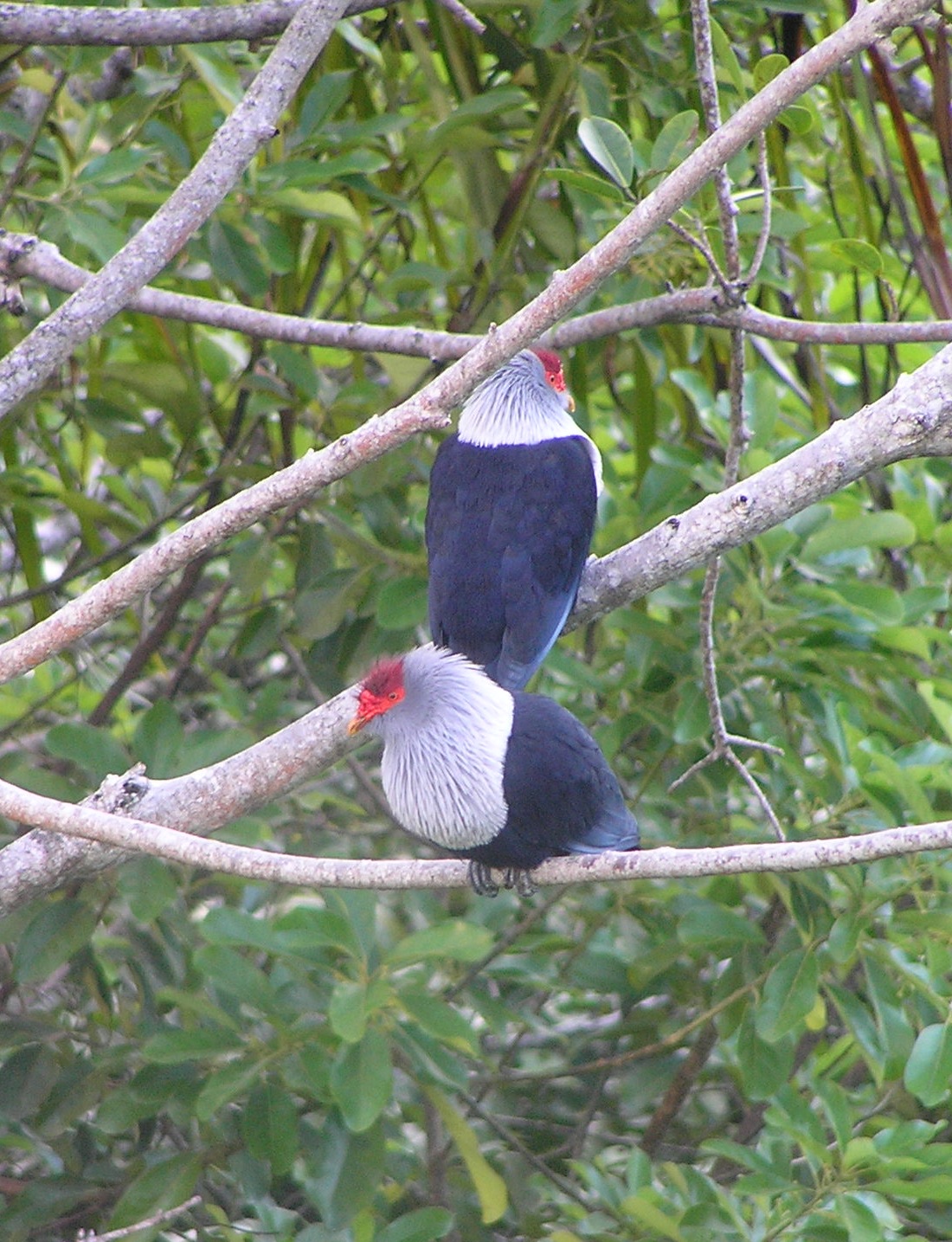
BLUE GROUND PIGEON
Alopecoenas rufigenis
DESCRIPTION
Also called the Rufous Ground Pigeon, the Blue Ground Pigeon (Alopecoenas rufigenis) is a medium-sized bird characterized by its striking blue-gray plumage and rufous underparts. This species is primarily terrestrial, often seen foraging on the forest floor in its native habitat. It exhibits a shy and elusive behavior, typically preferring to remain hidden among dense vegetation.
FUN FACTS
- The Blue Ground Pigeon is known for its unique courtship displays, which include bowing and puffing up their feathers to attract mates
- Additionally, this species has a distinctive soft cooing call that can often be heard in its natural habitat, adding to the serene atmosphere of the forest.| Unlike many other pigeon species, the Blue Ground Pigeon spends a significant amount of time on the ground rather than in trees, which is quite unusual for its family
- This behavior allows it to exploit a different ecological niche, foraging for food in the leaf litter and underbrush
QUICK INFO
Lifespan10-15 years in the wild
Average Weight200-300 g
Average Length30-35 cm
Diet TypeHerbivore
Social Structuresolitary or in pairs, often seen alone or with a mate
Activity PatternDiurnal
Breeding SeasonYear-round, with peaks depending on local conditions
- Habitat
- This species inhabits tropical and subtropical forests, often favoring areas with dense undergrowth. It is typically found in lowland forests and can also be seen in secondary growth.
- Biomes
- Tropical Rainforest, Subtropical Forest
- Native Range
- The Blue Ground Pigeon is native to the islands of New Guinea and surrounding smaller islands.
- Continent
- Oceania
- Countries
- Papua New Guinea, Indonesia
- Diet
- The Blue Ground Pigeon primarily feeds on seeds, fruits, and berries found on the forest floor. It forages by pecking at the ground and may also consume small invertebrates occasionally.
- Diet Type
- Herbivore
- Favorite Food
- seeds, fruits, berries
- Social Structure
- solitary or in pairs, often seen alone or with a mate
- Activity Pattern
- Diurnal
- Group Size
- 1-2
- Territorial
- 0
 LC
LC
 VU
VU
200-300 g
Weight
30-35 cm
Length
- Coloration
- blue-gray plumage with rufous underparts
- Lifespan
- 10-15 years in the wild
- Offspring per Birth
- 1-2
- Sexual Maturity
- 1-2 years
- Breeding Season
- Year-round, with peaks depending on local conditions
LC
Least Concern
IUCN Red List Status
- Population Status
- The population of the Blue Ground Pigeon is currently stable, but habitat loss poses a potential threat.
- Wild Population Estimate
- Unknown
- Population Trend
- Stable
- Endangered
- 0
- Threats
- Main threats include habitat destruction due to logging and agricultural expansion. Additionally, hunting in some areas poses a risk to local populations.
- Predators
- Snakes, birds of prey, and feral cats are known to prey on Blue Ground Pigeons.
- Defense Mechanisms
- The Blue Ground Pigeon relies on its cryptic coloration to blend into its surroundings, making it less visible to predators.
- Found in Zoos
- Uncommon