


BLUE JAY
DESCRIPTION
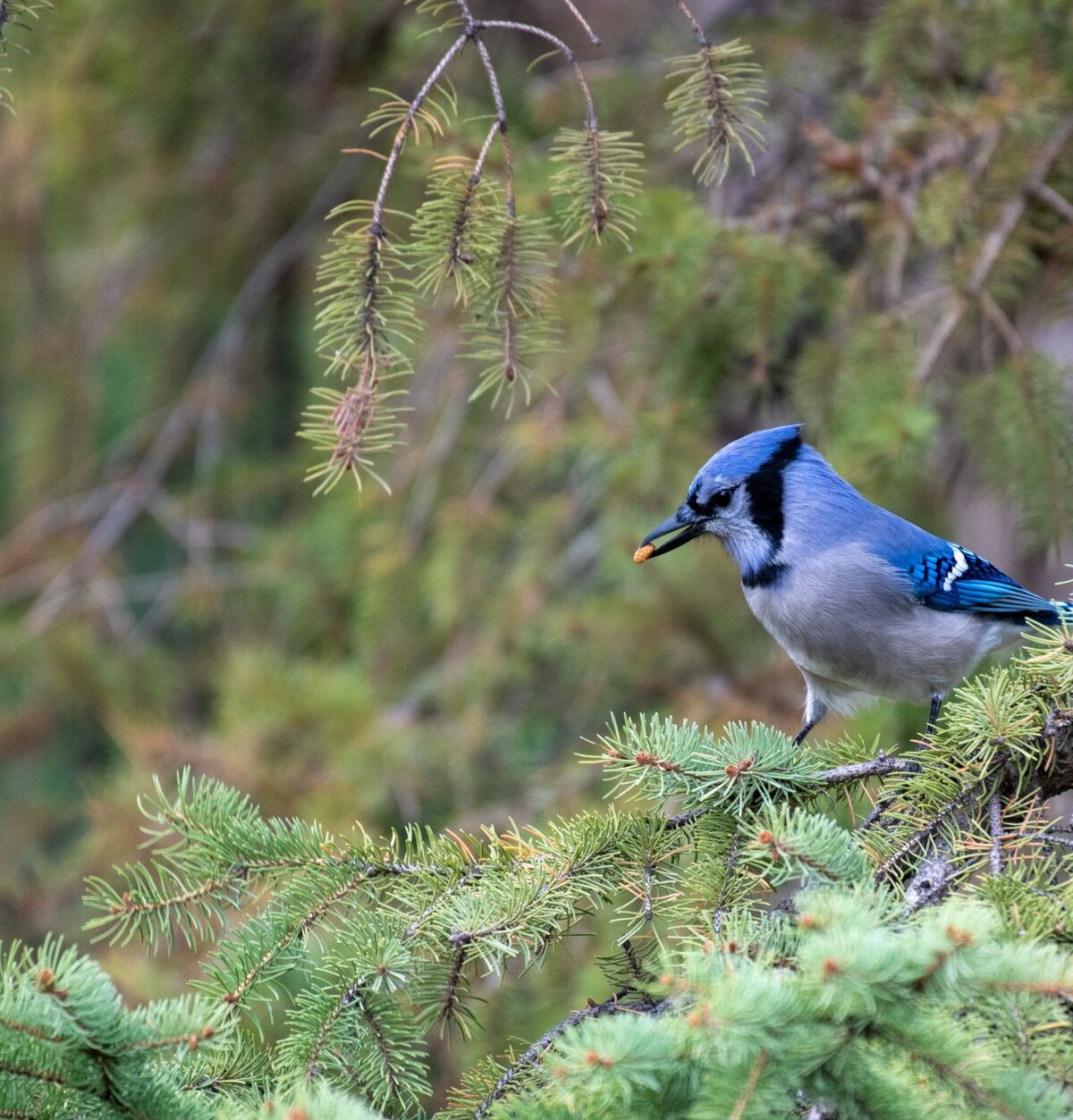
Also called the Eastern Blue Jay, Blue Jay is a striking bird known for its vibrant blue plumage, white underparts, and distinctive black collar. These birds are highly intelligent and social, often seen in pairs or small groups, and are known for their complex vocalizations and ability to mimic other birds. Blue Jays play a crucial role in their ecosystem by helping to disperse acorns and other seeds, which contributes to forest regeneration.
FUN FACTS
- Blue Jays are known for their intelligence and problem-solving abilities, often using tools to access food
- They can also mimic the calls of other birds, including hawks, which they use to scare away competitors or predators.|The Blue Jay's striking coloration is not just for show; it plays a role in their social interactions and mating displays
- Their vibrant blue feathers are a result of light scattering rather than pigment, making them unique among birds
QUICK INFO
Lifespan7 years in the wild, up to 17 years in captivity
Average Weight70-100 g
Average Length22-30 cm
Diet TypeOmnivore
Social Structurepair or group, often seen in family groups or small flocks
Activity PatternDiurnal
Breeding SeasonSpring (April-June)
- Habitat
- Blue Jays are commonly found in a variety of habitats, including deciduous and mixed forests, suburban areas, and parks. They prefer areas with plenty of trees for nesting and foraging.
- Biomes
- Temperate Forest, Urban
- Native Range
- Blue Jays are native to North America, ranging from southern Canada to the eastern and central United States.
- Continent
- North America
- Countries
- Canada, United States, Mexico
- Diet
- Blue Jays are omnivorous and have a varied diet that includes insects, nuts, seeds, and fruits. They are particularly fond of acorns and will often cache food for later consumption.
- Diet Type
- Omnivore
- Favorite Food
- acorns, nuts, seeds
- Social Structure
- pair or group, often seen in family groups or small flocks
- Activity Pattern
- Diurnal
- Group Size
- 2-10
- Territorial
- 1
 LC
LC
 LC
LC
 LC
LC
70-100 g
Weight
22-30 cm
Length
- Coloration
- vibrant blue with white and black markings
- Sexual Dimorphism
- males and females are similar in appearance
- Lifespan
- 7 years in the wild, up to 17 years in captivity
- Offspring per Birth
- 2-5
- Sexual Maturity
- 1 year
- Breeding Season
- Spring (April-June)
LC
Least Concern
IUCN Red List Status
- Population Status
- The Blue Jay population is currently stable, with no significant declines noted.
- Wild Population Estimate
- 3 million
- Population Trend
- Stable
- Endangered
- 0
- Threats
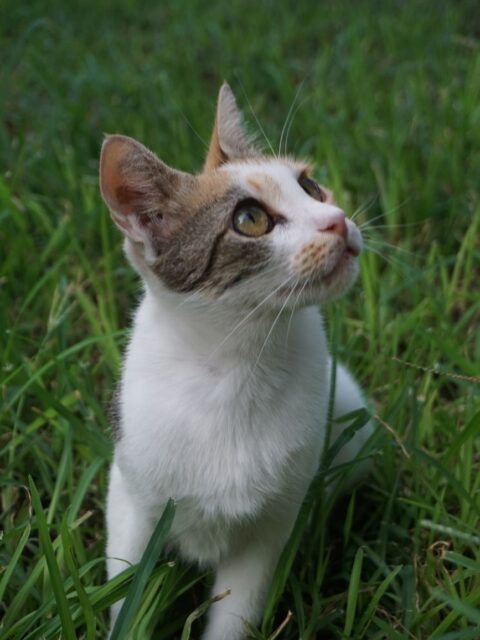
- Main threats include habitat loss due to urbanization and deforestation. Additionally, they face predation from larger birds of prey and domestic cats.
- Predators
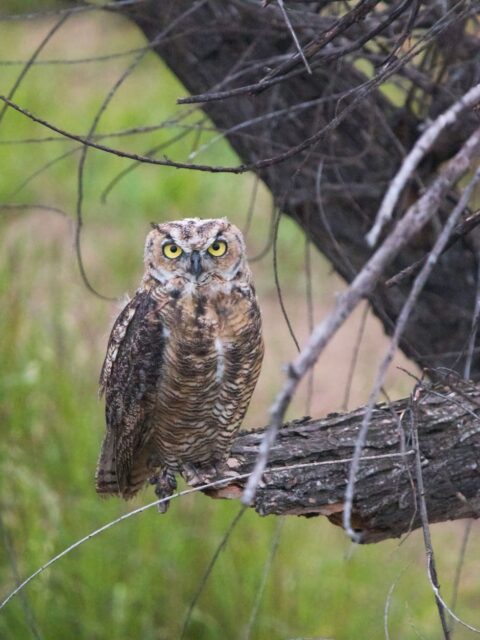
- Red-tailed Hawks, Cooper's Hawks, Great Horned Owls, domestic cats
- Defense Mechanisms
- Blue Jays are known to be aggressive and will defend their nests vigorously. They also use alarm calls to warn other birds of potential threats.
- Compatible Animals
- American Robin, Northern Cardinal, Eastern Bluebird
- Found in Zoos
- Common