


BLUE-WINGED TEAL
Anas discors
DESCRIPTION
The Blue-Winged Teal (Anas discors) is a small dabbling duck known for its striking appearance, particularly the blue patch on its wings. Males exhibit a distinctive chestnut-brown head with a greenish-blue patch behind the eye, while females are mottled brown with a more subdued coloration. These ducks are social and often found in small groups, foraging in shallow waters and wetlands.
FUN FACTS
- The Blue-Winged Teal is one of the smallest dabbling ducks in North America, making it a favorite among birdwatchers for its charming size and vibrant colors
- During migration, these ducks can travel thousands of miles, often flying at night to avoid predators and conserve energy.| Blue-Winged Teals are known for their unique courtship displays, where males perform a series of elaborate movements and vocalizations to attract females
- This behavior is not only a part of their mating ritual but also helps strengthen pair bonds during the breeding season
QUICK INFO
Lifespan5-10 years in the wild
Average Weight0.3-0.5 kg
Average Length34-38 cm
Diet TypeOmnivore
Social StructureThey are typically found in pairs or small groups, especially during the breeding season.
Activity PatternDiurnal
Breeding SeasonSpring (March-May)
- Habitat
- Blue-Winged Teals inhabit freshwater marshes, ponds, and shallow lakes, often favoring areas with dense vegetation. They are commonly found in wetlands during migration and breeding seasons.
- Biomes
- Wetlands, Temperate Forests
- Native Range
- The Blue-Winged Teal breeds across North America and migrates to Central America and northern South America for the winter.
- Continent
- North America, South America
- Countries
- United States, Canada, Mexico, Brazil
- Diet
- Blue-Winged Teals primarily feed on seeds, aquatic plants, and invertebrates. They forage by dabbling on the water's surface or tipping forward to reach submerged food.
- Diet Type
- Omnivore
- Favorite Food
- seeds, aquatic plants, invertebrates
- Social Structure
- They are typically found in pairs or small groups, especially during the breeding season.
- Activity Pattern
- Diurnal
- Group Size
- 5-30
- Territorial
- 0
 LC
LC

 VU
VU
0.3-0.5 kg
Weight
34-38 cm
Length
- Coloration
- Males have a chestnut head, grayish body, and a distinctive blue wing patch, while females are mottled brown.
- Sexual Dimorphism
- Males and females have different coloration, with males being more brightly colored.
- Lifespan
- 5-10 years in the wild
- Offspring per Birth
- 6-12
- Sexual Maturity
- 1 year
- Breeding Season
- Spring (March-May)
LC
Least Concern
IUCN Red List Status
- Population Status
- The population of Blue-Winged Teals is generally stable, although local declines may occur due to habitat loss.
- Wild Population Estimate
- 1,000,000-2,000,000
- Population Trend
- Stable
- Endangered
- 0
- Threats
- Main threats include habitat destruction due to wetland drainage and pollution. Climate change also poses a risk to their migratory patterns and breeding habitats.
- Predators
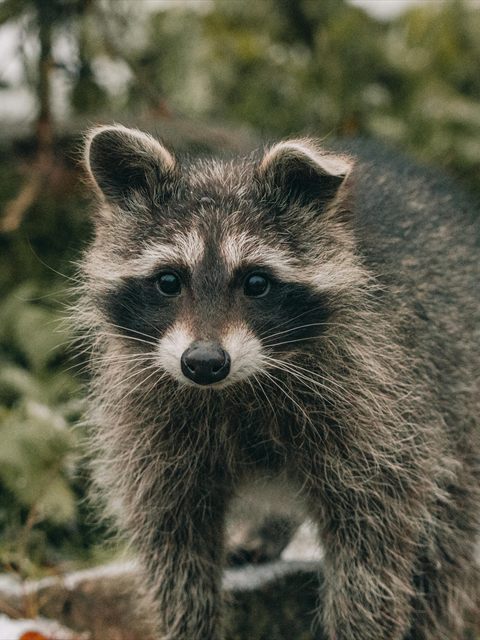
- Raccoons, foxes, birds of prey, and domestic cats are known predators of Blue-Winged Teals.
- Defense Mechanisms
- They rely on their ability to quickly take flight and their cryptic coloration to evade predators.
- Compatible Animals
- Northern Pintail, American Black Duck, Mallard
- Found in Zoos
- Uncommon